
- In short
- How do you help a parent bathe without rushing them?
- What should you do when a parent refuses to bathe?
- Why is the bathroom such a risk for older adults?
- Which equipment can help preserve independence during bathing?
- The Sécur-O-Bain chair: a way to ease bathing while respecting dignity
- FAQ
- Get a quote
Summary
- In short
- How do you help a parent bathe without rushing them?
- What should you do when a parent refuses to bathe?
- Why is the bathroom such a risk for older adults?
- Which equipment can help preserve independence during bathing?
- The Sécur-O-Bain chair: a way to ease bathing while respecting dignity
- FAQ
- Get a quote
Bathing is one of the most delicate moments when supporting an aging parent. Knowing how to help a parent bathe without hurting their dignity takes as much tact as it does method.
In short
Knowing how to help a parent bathe means respecting their pace, encouraging what they can still do alone and explaining each step gently. Since the bathroom is the riskiest room in the house, adapted equipment such as a bath chair makes bathing safer while preserving dignity.
How do you help a parent bathe without rushing them?
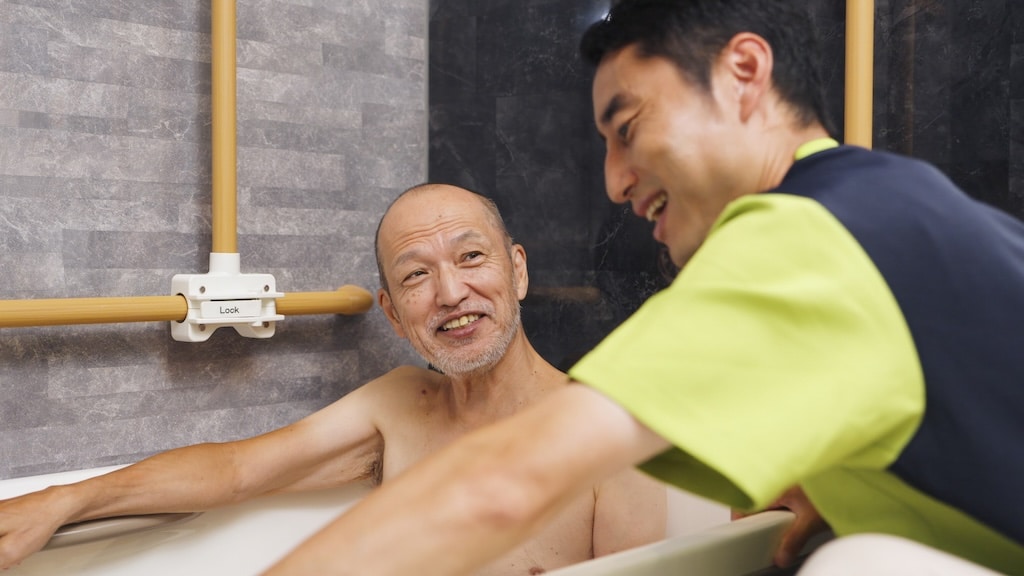
Bathing touches the most intimate part of a person’s routine. To support a parent kindly during this delicate moment, how you do it matters as much as what you do: assist without taking over.
Respect their pace and habits
Keep the usual bath time, the preferred water temperature and their soap. These details preserve a sense of normalcy.
Encourage partial independence
Letting the parent wash what they can still reach maintains both dignity and ability, while also helping a parent stay independent at home.
Explain each step with kindness
Announcing what you do before doing it avoids surprise. A calm tone reassures more than any technique.
What should you do when a parent refuses to bathe?
Refusal is common and rarely out of bad will. Understanding the cause often helps the situation.

Understand the reasons behind refusal
There is almost always a real reason behind a no: fear of falling, embarrassment about nudity, feeling cold, fatigue, loss of autonomy or cognitive issues that make the moment confusing. Finding the real cause guides the solution: you do not respond the same way to modesty as to physical pain.
Avoid conflict and guilt
Pushing or raising your voice only worsens the resistance and sets a tense tone for days after. Better to suggest without imposing, postpone the bath for a few hours and come back calmly. Patience almost always works better than force when helping a parent bathe.
Introduce help gradually
Starting with a partial wash such as face and hands often opens the door to fuller support. A step-by-step approach that respects the parent’s pace improves acceptance of bathing help and makes it easier to introduce the role of a care aide when needed.
Why is the bathroom such a risk for older adults?
If bathing help worries caregivers so much, it is because it happens in the most dangerous room of the house. Three factors make it a real safety issue.
Risks of slipping and falling
Wet floors, soap and hard surfaces sharply increase the risk of a fall in a bathroom, making it the most accident-prone room at home.
Difficulty entering and exiting the bath
Lifting a leg over the rim while balancing on a slick surface is one of the most dangerous moves.
Psychological impacts of fearing a fall
Fear of falling can lead to avoiding bathing, which harms hygiene and morale. Securing the room with suitable equipment usually breaks this cycle.
| Safety equipment | Main benefit |
|---|---|
| Grab bars | Stability to stand and move |
| Slip-resistant surface | Fewer slips on wet floors |
| Adapted bath chair | Seated bathing without stepping over the rim |
Indicative comparison of bathroom safety equipment.
Which equipment can help preserve independence during bathing?
The right equipment makes bathing safer and eases in-home support. It improves safety, relieves the caregiver and can also be an advantage for ages 65 and over, especially when part of a prevention or home-adaptation effort.
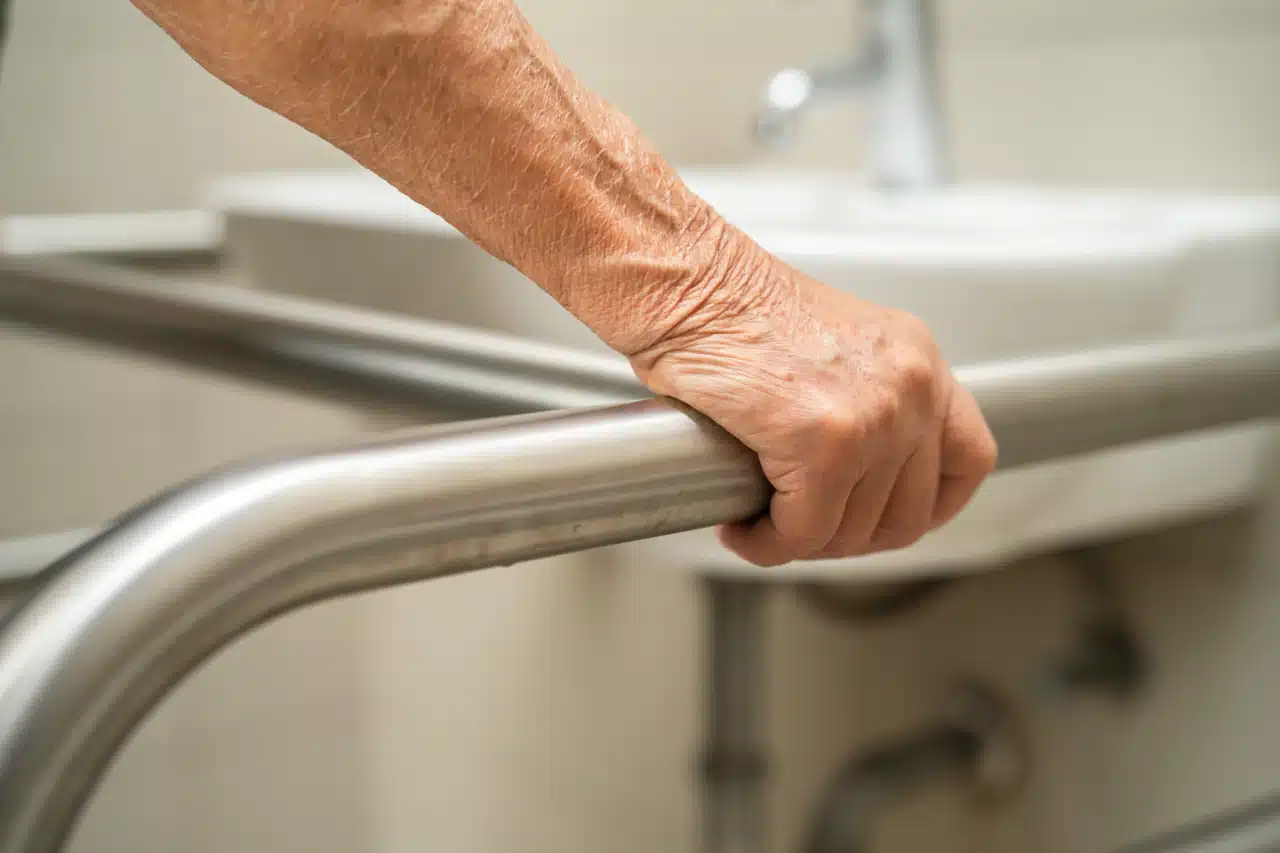
Grab bars
Firmly installed near the bath and toilet, they provide a reliable handhold.
Bath seats and chairs
Sitting to wash eliminates standing on a wet surface and secures entering and exiting the bath.
Slip-resistant surfaces
Mats and adhesive strips reduce sliding, both in the tub and on the floor.
Depending on the situation, some families can also look into available 2026 grants to adapt a bathroom to an older adult’s needs.
The Sécur-O-Bain chair: a way to ease bathing while respecting dignity
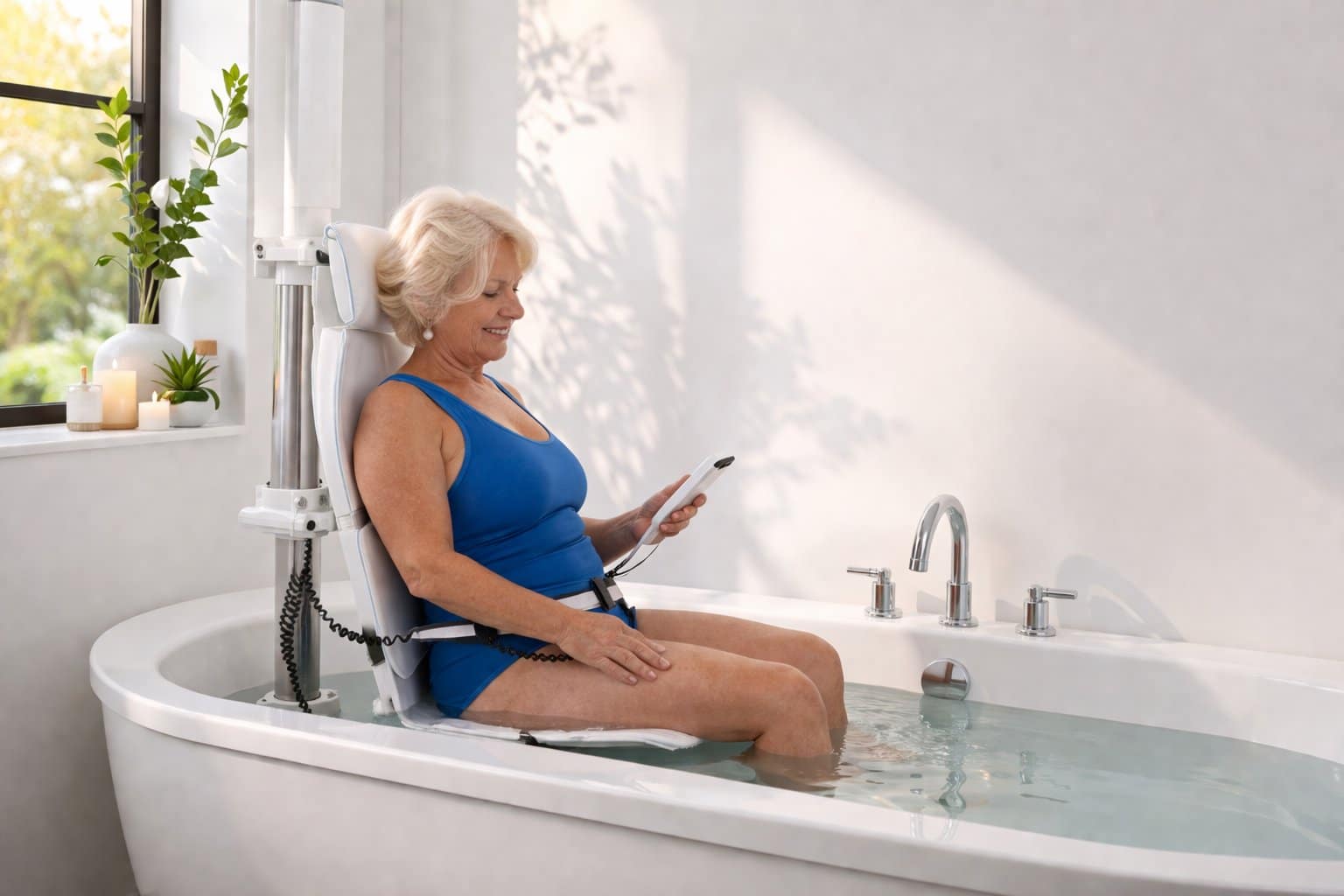
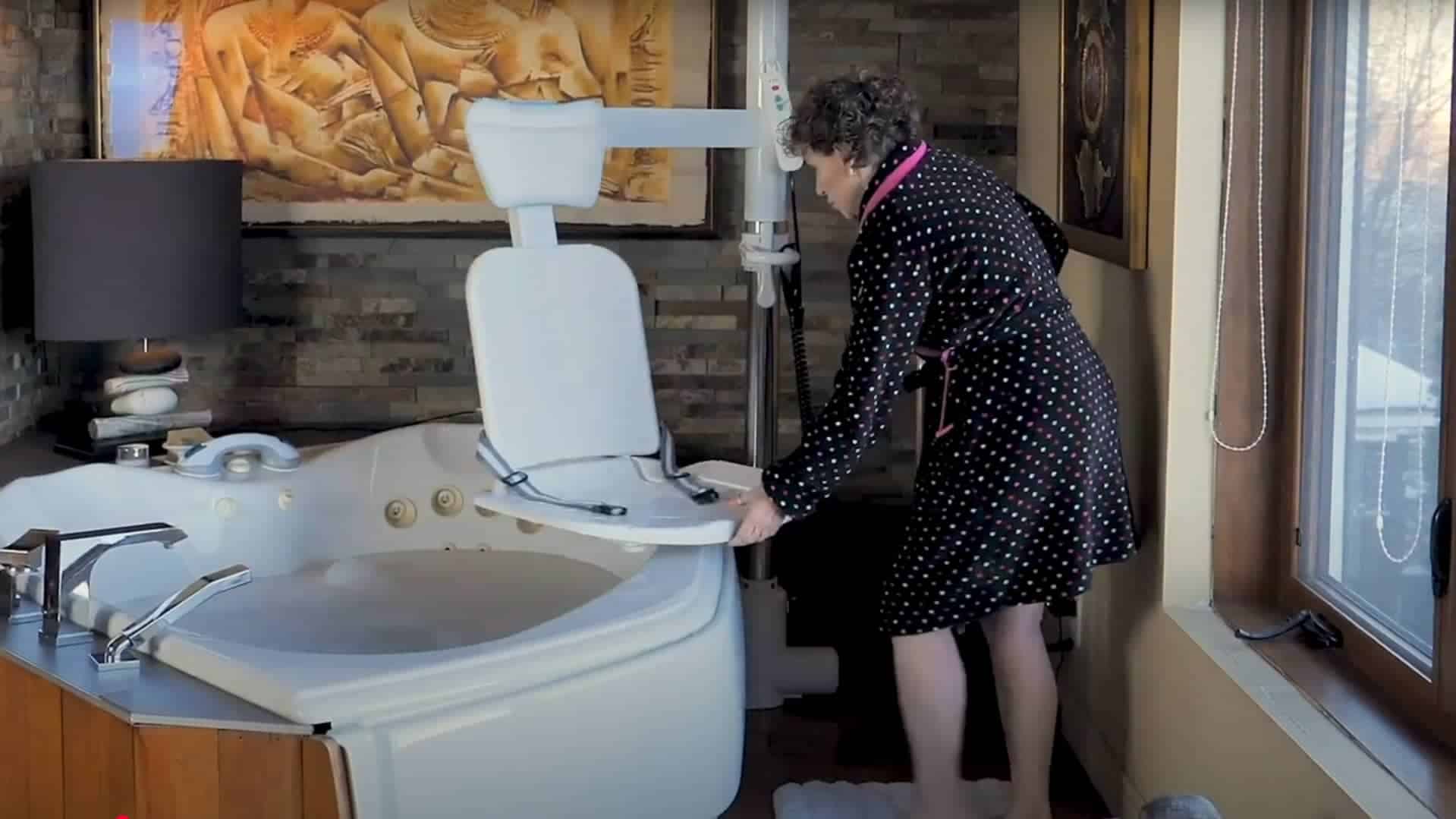
The Sécur-O-Bain chair combines safety and respect for privacy. The parent sits and pivots into the bath instead of stepping over the rim, which removes the riskiest move.
They wash while seated, keeping as much independence as possible, while the helper assists without lifting. The result: safer, gentler and more dignified bathing that helps you stay home longer.
FAQ
How do you help an older adult bathe without taking away dignity?
By respecting their pace, encouraging what they can do alone and explaining each step calmly.
What should you do if an older parent refuses to bathe?
Find the reason for refusal, avoid insisting, postpone if needed and introduce help gradually.
How do you preserve independence during bathing?
Let them complete the steps they can manage on their own and make the bathroom safe with adapted equipment.
What equipment secures a senior’s bathroom?
Grab bars, slip-resistant surfaces and a suitable bath chair such as the Sécur-O-Bain.
Why use a bath chair for an older adult?
Because it allows seated bathing without stepping over the rim, which greatly reduces fall risk.