
Summary
Summary
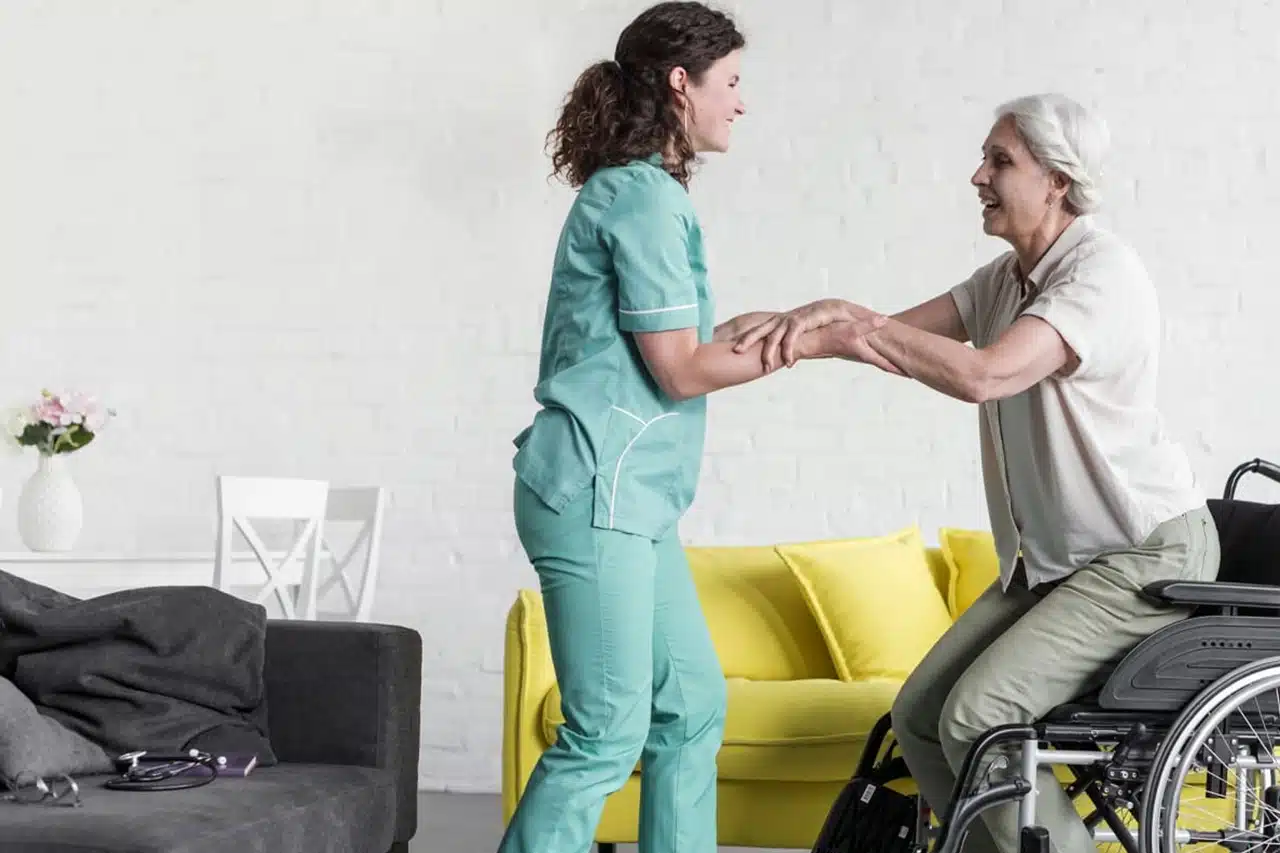
- “Loss of autonomy” refers to the set of physical, cognitive and emotional difficulties that prevent a person from carrying out daily activities alone (washing, dressing, moving, managing medications).
- It often stems from normal aging, chronic diseases, a cognitive disorder or an accident, and it can be worsened by isolation and a poorly adapted home.
- In Quebec, preventing falls at home is a major challenge, especially in the bathroom. Assistive devices such as a bath lift chair reduce risks while preserving dignity and independence.
What is loss of autonomy?

Definition: cognitive and emotional
We speak of loss of autonomy when a person has increasing difficulty accomplishing essential tasks alone related to mobility, a healthy lifestyle, proper nutrition, the management of medications and finances, and more. It may result from physical limits (strength, balance, pain), cognitive limits (memory, judgment) or emotional limits (anxiety, apathy) which, combined, reduce the ability to act without help.
The first signs to watch for
Early warning signs recur frequently. Physically, think of an unsteady gait, the need to lean on furniture, falls, or the fear of falling.
Cognitively and emotionally, think of repeated forgetfulness (appointments, taking medications), social withdrawal, neglect of hygiene, and difficulties managing groceries and finances.
Identifying these changes early helps prevent falls or hospitalization.
Natural progression with age or illness
Normal aging can cause a gradual loss of autonomy among older adults. But the loss of autonomy can also affect people with reduced mobility and people with disabilities.
In addition, some chronic diseases (osteoarthritis, stroke, heart disease, COPD), cognitive disorders (e.g., Alzheimer’s disease) or medication side effects accelerate the trajectory toward dependence.
What are the main causes?

Aging, chronic diseases, accidents
The main intrinsic factors are advanced age, chronic illnesses, polypharmacy and cognitive disorders. Extrinsically, falls play a key role in the onset of dependence. These may be linked to many issues, including leg pain, for example.
Fortunately, risks can be reduced with adapted products such as bath lift chairs.
Social isolation and lack of activity
Sedentary behaviour, isolation, undernutrition and loss of initiative worsen frailty and speed up loss of autonomy. Quebec’s health institutions recommend regular physical and mental activity, screening for vision and hearing problems, and medication reviews to slow decline.
Unsafe, poorly adapted environments
Obstacles, poor lighting and slippery surfaces significantly increase the risk of falls at home. The bathroom is one of the rooms at highest risk.
Impact on quality of life and daily tasks
Difficulty washing, dressing and moving around
ADLs (activities of daily living) such as washing, dressing, going to the toilet and moving, are often the first affected. IADLs (meals, housekeeping, managing medications and finances) become heavier, which increases caregiver burden and the likelihood of hospitalization or institutionalization if no support is arranged.

Loss of confidence and risk of isolation
After a fall or “near-falls,” many develop a fear of falling that reduces outings, physical activity and social contact. This isolation-inactivity spiral increases frailty and leads to more incidents with measurable physical and psychological consequences.
Increased risk of falls at home
The risks of falling at home increase if the environment is not adapted to your current reality and physical abilities, especially in higher-risk rooms such as the bathroom.
Yet, we can help prevent falls in the bathroom with small, concrete changes: non-slip surfaces, grab bars, adequate lighting and, especially, assistive devices such as a bath lift chair.
How to preserve autonomy as long as possible?
Encourage physical and mental activity
- Move regularly: daily walking, adapted balance and strengthening exercises (home or group program).
- Stimulate the mind: reading, memory games, learning, conversations.
- Monitor vision, hearing and medications: regular checkups. Ask for a prescription review if you experience sleepiness or dizziness. These measures are among the most effective at preventing falls and delaying functional decline.

Adapt the environment, especially the bathroom
- Non-slip surfaces in the bath or shower and on the floor. Grab bars well positioned.
- Adequate lighting, especially at night. Clear passageways.
- Storage at reachable height to avoid twisting efforts or reaching on tiptoes.
- Bath chair or lift seat for safe entry and exit from the bath.
Choose assistive devices such as a bath lift chair
The bath lift chair, like the one from Sécur-O-Bain, is one of the most effective technical tools for fall prevention, in addition to increasing daily comfort. It is also an excellent tool to help you regain confidence and maintain your autonomy as long as possible.
Sources
- Government of Quebec – Programs and services offered to people experiencing loss of autonomy.
- JuridiQC – Understanding the causes of loss of autonomy in seniors and recognizing the signs.
- INSPQ – Falls among older adults (statistics and prevention).
- MSSS – Guidelines for identifying seniors in loss of autonomy (PDF).
- MSSS – Falls among people aged 65 and over living at home in Quebec (70 percent at home, all seasons).
- Public Health Agency of Canada – Surveillance report on falls among seniors in Canada and Infobase (recent data).
- INESSS – Older adults: support for autonomy.
- Médicus – Safe, adapted bathroom equipment.