
Summary
Summary
Do you want to keep your health, safety and autonomy at home or help a loved one do so? Focus on three concrete pillars:
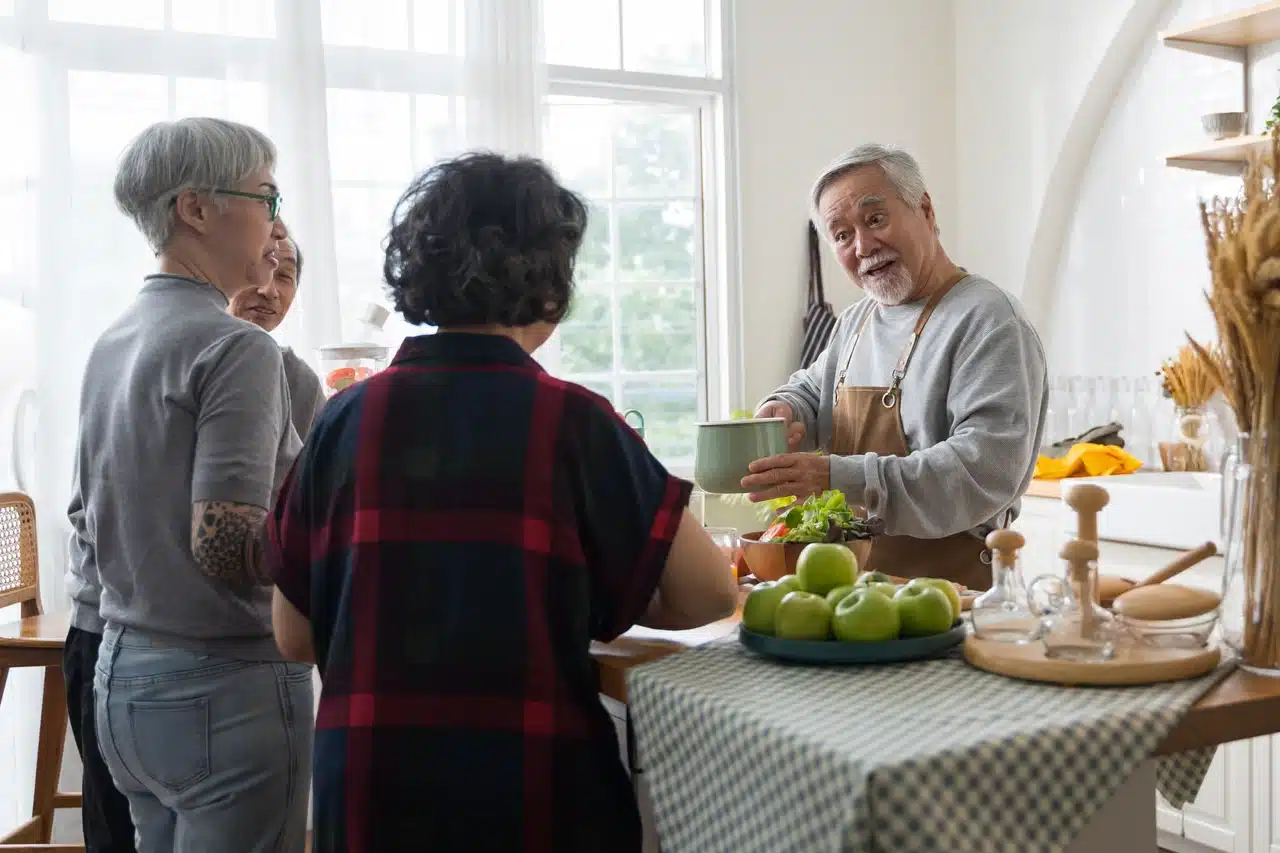
- Healthy lifestyle habits (eat a varied diet, hydrate properly, move daily, body care)
- An adapted environment (safe bathroom, simple assistive devices)
- Tools that reduce efforts and risks, for example the Sécur-O-Bain bath lift chair.
Why is a healthy lifestyle essential for seniors?
Physical health: prevent disease and disability
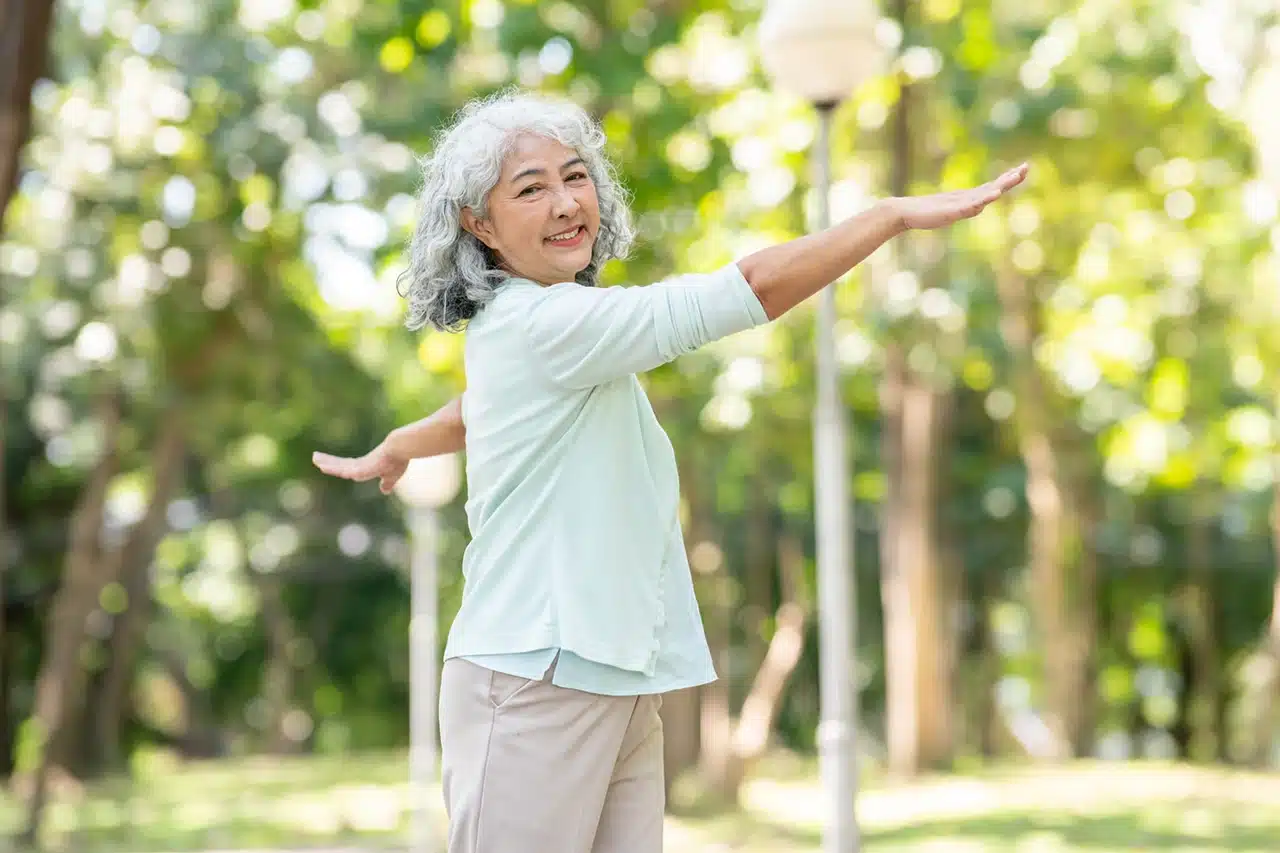
A healthy lifestyle routine and habits for older adults (nutrition, hydration, activity, sleep, personal hygiene) help limit frailty, infections and undernutrition, and to maintain muscle strength and balance, two key factors to avoid falls.
In Quebec, falls are the main cause of injury-related hospitalizations among seniors. More than one-third of seniors living at home fall at least once a year. Strengthening balance and making the bathroom safer should therefore be at the very top of your list of priorities.
Mental health: well-being, self-esteem and morale
Moving and taking care of yourself improves mood, sleep and perceived quality of life. Regular physical activity is associated with better functional and psychological outcomes among older adults.
Direct link with maintaining autonomy
Preserving autonomy comes down to simple, repeated actions: organizing the daily routine, preventing falls and making appropriate adaptations. These small, effective actions let you maintain your independence longer.
Healthy lifestyle habits combined with a safe environment adapted to your physical reality are a winning formula.
The pillars of a good healthy lifestyle for older adults

Balanced diet and hydration
Following Canada’s Food Guide is an excellent way to ensure you get the nutrients you need to support and maintain your health: half a plate of fruits and vegetables, quality proteins and whole grains.
Drink water first and before any other kind of drink. Regular hydration supports alertness, digestion and kidney function. Older adults are at higher risk of dehydration. Signs to watch for: dry mouth, dark urine, dizziness. When in doubt, consult a professional.
Regular, adapted physical activity
Canada’s 24-hour movement guidelines (65+) recommend being active every day, limiting sedentary time, on top of getting enough sleep. A common goal is to reach at least 150 minutes of moderate-intensity aerobic activity per week, with balance and strengthening exercises that help prevent falls.
This will also help maintain and support your health, in addition to helping reduce leg pain.
Personal hygiene and daily care
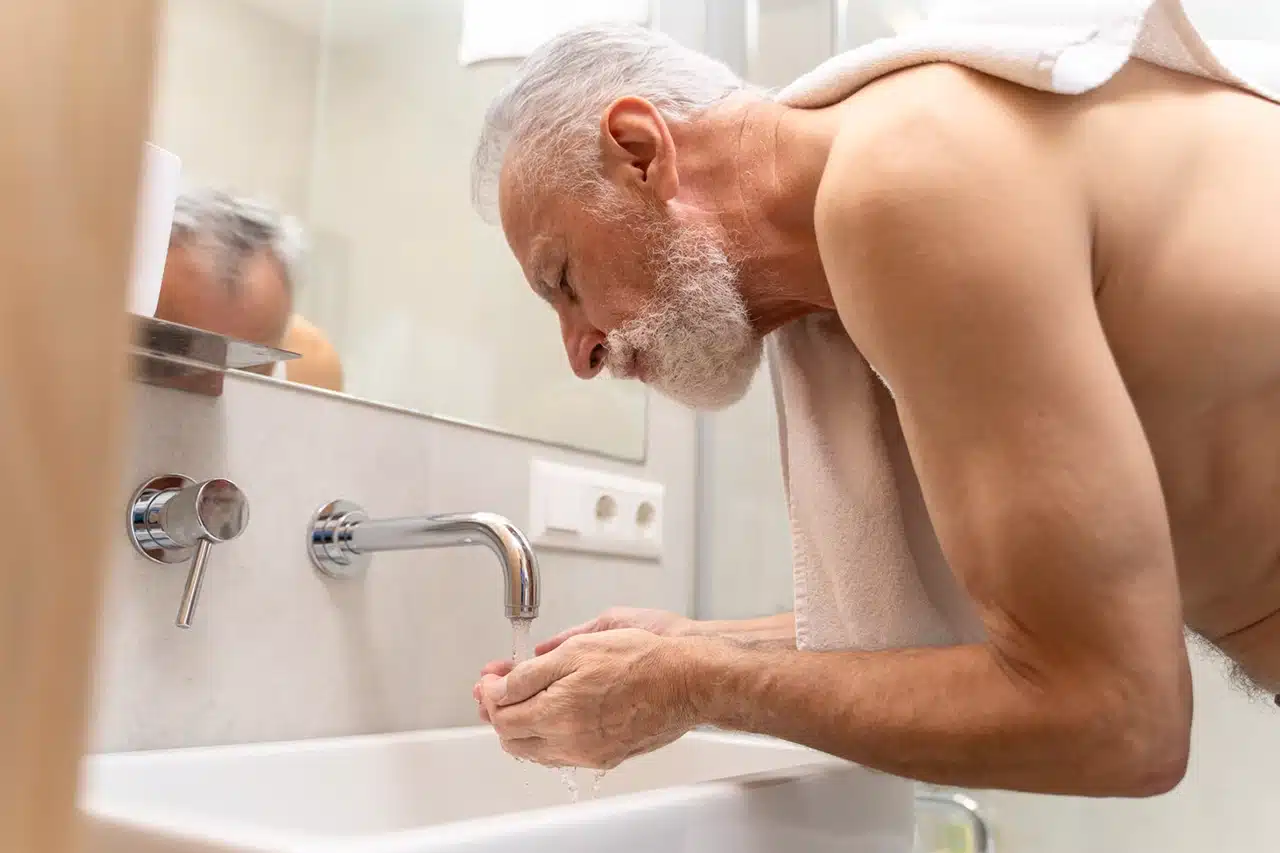
Good lifestyle habits necessarily include good personal hygiene for older adults. Regular washing also reduces the risk of skin infections and fungal issues.
However, since the bathroom is one of the riskiest places for falls, it is important to perform these actions without rushing, on top of doing so in a safe environment.
An excellent tool for preventing falls is undoubtedly a bath lift chair, like the one from Sécur-O-Bain. In addition to helping prevent most slips linked to getting in and out of the bath, it allows you to remain seated for the most demanding actions (washing your feet, shaving). This helps simplify your daily routine and reduce fatigue, while allowing you to maintain your autonomy.
Adapt the environment to make daily actions easier
An environment adapted to your physical reality and your needs is essential to your safety. Here are some tips and tricks for everyday safety:
Reorganize the bathroom to avoid risks
- Declutter, ensure good lighting, store products at shoulder height.
- Non-slip surfaces in the shower or bathtub and on the floor, with a secured mat.
- Avoid unnecessary steps: keep towels and clothing within reach. Complete transfers while seated, for example, with a bath lift chair for getting in and out of the bath.
Use simple assistive devices: grab bar, non-slip mat, bath chair
- Install grab bars near the bathtub, shower and toilet, along with a non-slip mat. If you like having a mat on the cold ceramic floor, it must be fixed to prevent slipping. Likewise, do not leave any clothing, towels or other items on the floor.
- Chair or bench for the shower or bath: to wash while seated, reduce cardiorespiratory effort and limit the risk of falling.
Promote confidence through assisted autonomy
- Assisted autonomy combines physical tools and safe actions, allowing you to “do it yourself” without danger. Tools such as a bath lift chair reinforce confidence and functional stability.
The role of the bath lift chair in your daily hygiene routine
Reduce efforts and prevent the risk of a fall in the shower or bath
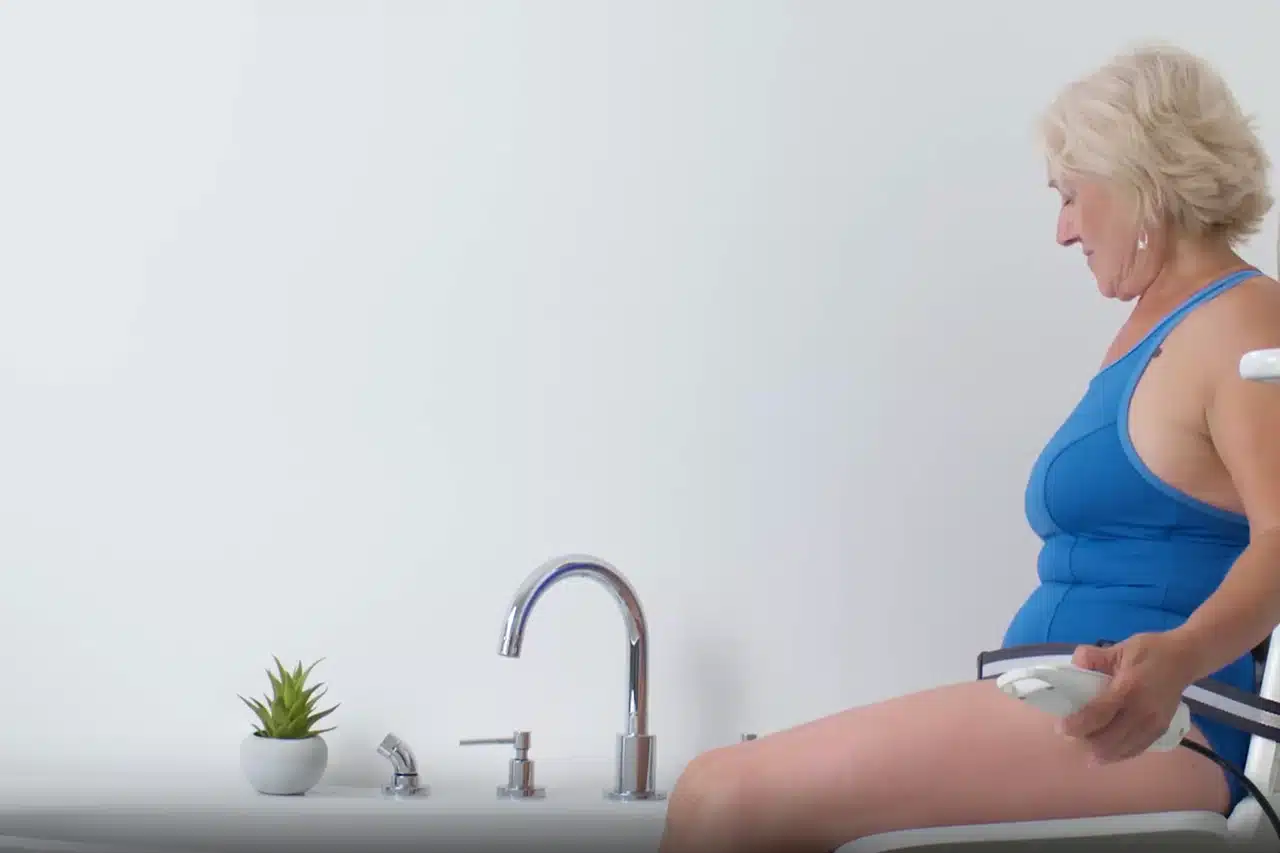
Sitting while showering or bathing stabilizes your centre of gravity, reduces single-leg transfers and lowers effort and risks of falling. Clinical documents in Quebec recommend performing the transfer to the bath or shower while seated. A bath lift chair, such as the one from Sécur-O-Bain, fits naturally with this approach.
Preserve your privacy and independence
A bath lift chair allows you to carry out most actions related to your personal hygiene independently (soaping, rinsing, foot care), which helps preserve your privacy and reduces the need for assistance. This is beneficial for the person and for their caregivers. This autonomy contributes to fall prevention and to maintaining your dignity day to day.
Choose a model adapted to your specific needs
Before buying, consider:
- Dimensions and space: shower or bath, clearance, seat height.
- Stability and surface: non-slip surfaces, textured seat, access to a backrest or armrests when needed.
- Seated transfers: you must be able to perform the transfer easily while seated.
- Maintenance: easy to clean materials, resistant to hard water.
- Installation: check load capacity, seat height (ideally at or slightly above knee height), and compatibility with existing grab bars.
The Sécur-O-Bain bath lift chair meets all these requirements and fits the vast majority of standard bathrooms. It has a 350 lb. capacity, along with a seat belt and non-slip materials to help you perform your daily hygiene tasks safely.
Sources
- MSSS Quebec – Fall prevention for seniors living at home (reference framework). Provincial data and issues.
- CISSS Chaudière-Appalaches / CISSS Lanaudière – Safe bathroom layout (seated transfers, seat height).
- Public health Montréal – Fall prevention: screening tool and PIED program.
- INSPQ – Community component, integrated dynamic balance program (PIED).
- PHAC / ParticipACTION / 24-hour guidelines (65+ in Canada) – Recommendations to move daily, limit sedentary time and improve balance.
- Alberta Health Services – Older adults: nutrition and hydration (hydration and nutrition markers).
- NICE-NET (Canada) – Dehydration in older adults (risks and practical markers).
- CHUM – Tips and tricks for better aging (health and quality-of-life benefits).
- Revenu Quebec – Tax credit for seniors’ home-support services + brochure IN-151 (eligibility and application).