
Summary
Disclaimer: The information below is provided for educational purposes only. It does not replace advice from a health professional. If you have symptoms or questions, consult your physician, your neurologist or an interdisciplinary team such as an occupational therapist, physiotherapist or nurse.
Summary
- Parkinson’s disease is a progressive neurological disorder that affects movement and several non-motor functions, such as sleep, mood and digestion.
- Day-to-day challenges are multiple: tremors, rigidity and slowness.
- These challenges increase the risk of falls, particularly in the bathroom.
- A well-chosen bath lift chair makes entry and exit safer, reduces fatigue and preserves autonomy and privacy.
What is Parkinson’s disease?
A progressive neurological disease
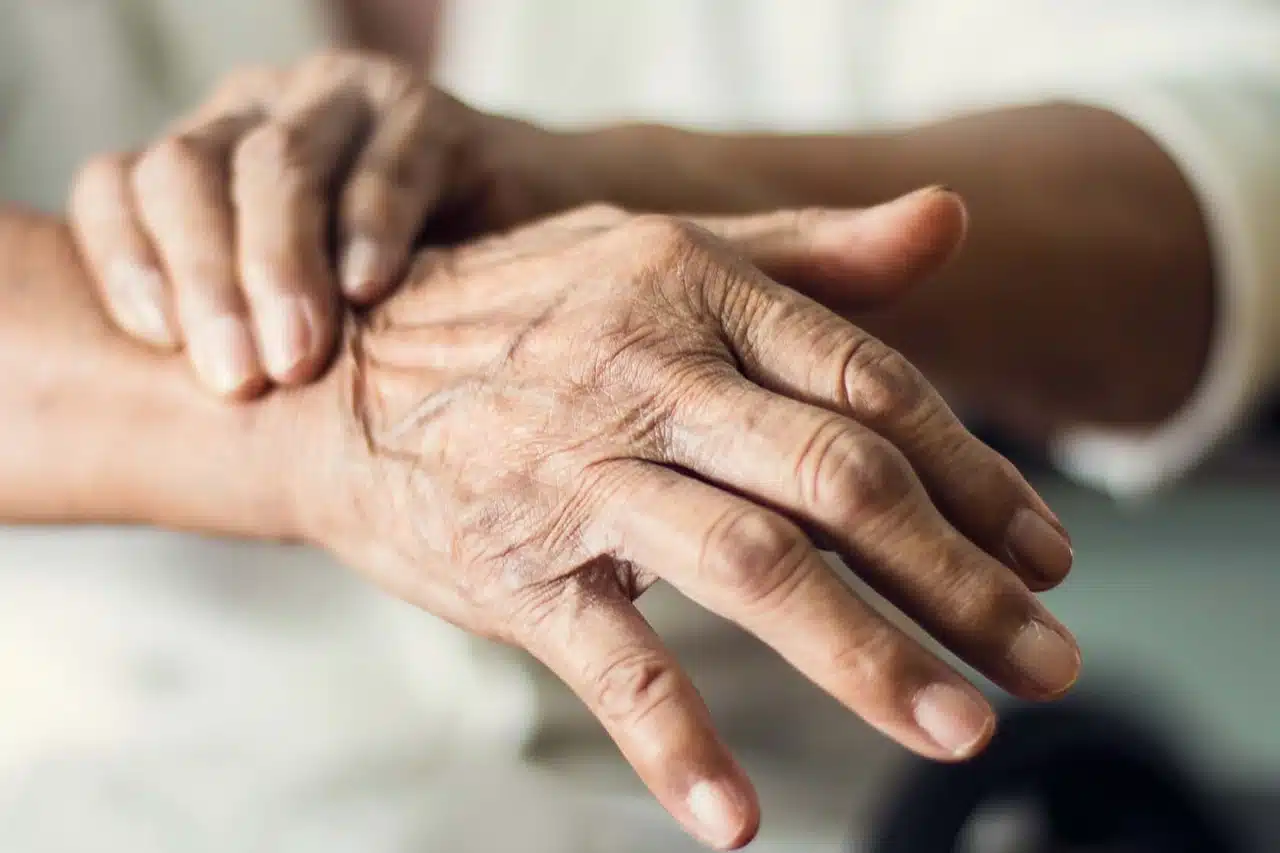
Parkinson’s disease is defined as a disorder that mainly results from a progressive loss of dopaminergic neurons involved in movement control. Clinically, parkinsonism is defined by bradykinesia (slowness), associated with resting tremors and or rigidity. Other criteria are then used to confirm or rule out the diagnosis according to Movement Disorder Society guidelines.
In simpler terms, it is a disease that affects a small area of the brain that then produces less dopamine. Dopamine acts as a messenger, helping the body move and maintain fluidity of movement. When it is reduced, movements become slower and stiffer, with the frequent appearance of tremors and other symptoms. But keep in mind that it is possible to have Parkinson’s disease without tremors (about 30 percent of patients).
Since there is no definitive cure, the treatments for Parkinson’s disease mainly aim to reduce and manage symptoms. As for the causes, it is a multifactorial condition that includes genetic predispositions, accelerated aging and environmental factors, among others.
Motor and non-motor symptoms
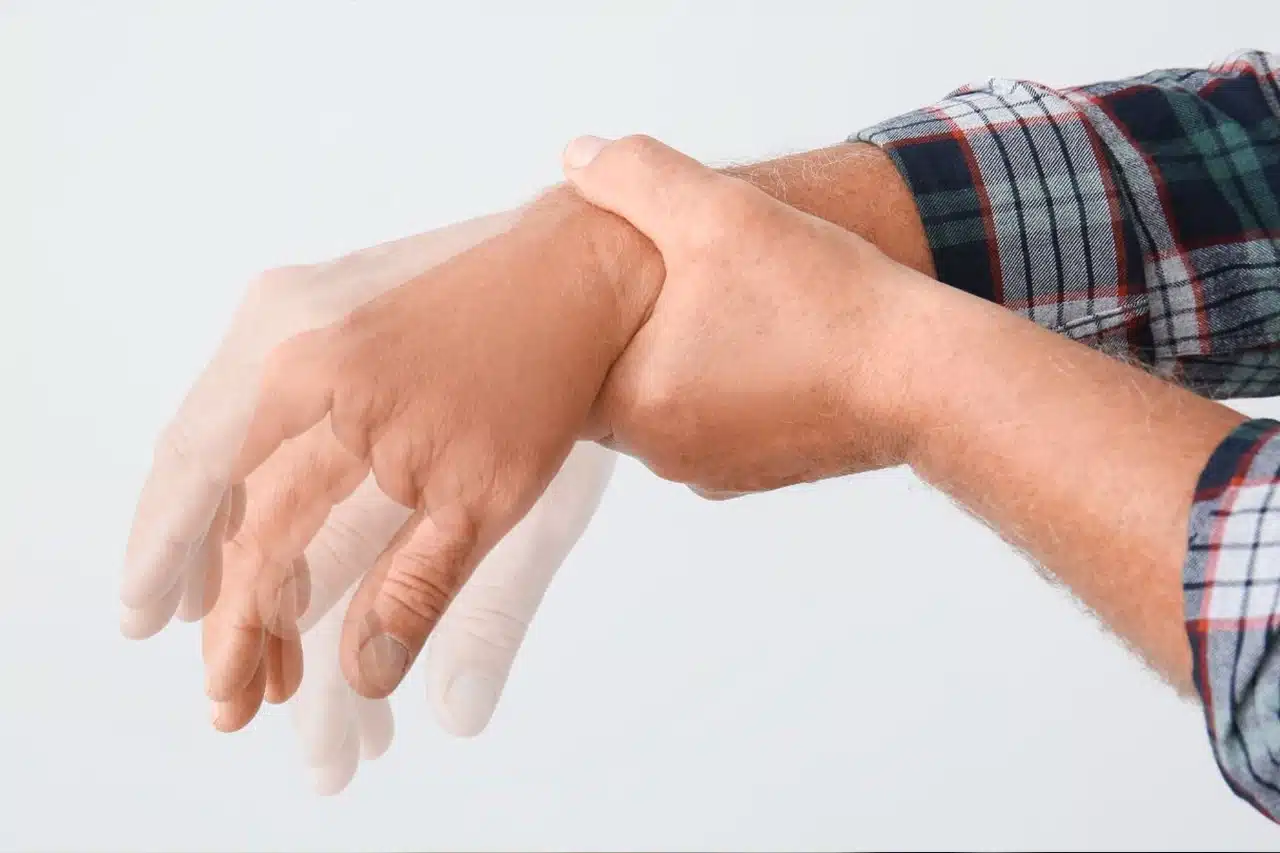
Parkinson’s disease causes motor symptoms generally characterized by tremors, stiffness, slowness of movement and postural instability. A symptom known as “freezing of gait” (FOG) is also common. It is characterized by a sudden, temporary inability to move, giving the impression that the feet are glued to the floor (it affects 50 to 80 percent of patients).
Motor signs can appear elsewhere. Parkinson’s disease can cause symptoms such as leg pain, for example, or facial symptoms.
Non-motor symptoms are generally related to sleep disorders, anxiety and depression, constipation, orthostatic hypotension, reduced sense of smell, pain and fatigue. As you can imagine, they are often as disabling as motor symptoms.
Living with Parkinson’s: a daily routine to adapt
Progression varies from one person to another. Adapting the home (lighting, clear pathways, assistive devices) and planning activities according to the periods when medication works best are essential to preventing falls and maintaining autonomy.
The challenges of daily life with Parkinson’s
Tremors, rigidity and loss of coordination
Tremors can destabilize grip, that is, the ability to grasp or ”hold” with the hand, such as a bar of soap or a showerhead, for example, or any other object.
Next, rigidity limits range of motion, including the ability to bend or stand up. Then bradykinesia (abnormal slowness in executing voluntary movements) and lack of coordination make transfers such as getting in and out of the bathtub more difficult. This, in turn, increases the risks for falls.
Depending on the Parkinson’s disease symptoms specific to each individual and the stages, they will contribute to more or less severe loss of autonomy.
Fatigue and slowness in simple actions
Slowness and fatigue, which are frequent during and at the end of the day, turn hygiene care into energy-demanding tasks. Simple solutions with a significant impact, such as reducing the number of steps, sitting to wash and preparing items within reach, reduce effort and the risk of motor errors, and contribute to preventing a fall in the bathroom.
Higher risk of falls and motor issues
Freezing of gait (FOG) during certain actions, such as stepping in and out of a bathtub, predisposes to falls. A multifactorial approach that combines adapted exercises, medication adjustments and environmental adaptations is recommended by public health organizations in Quebec.
Why are you more at risk in the bathroom?
Slips, wet surfaces and unstable actions
Wet floors, soaps and smooth surfaces create an environment that is more conducive to falls. In addition, fine motor actions such as soaping and handling a showerhead become unstable in the presence of tremors.
Difficulty stepping into a bathtub or standing still
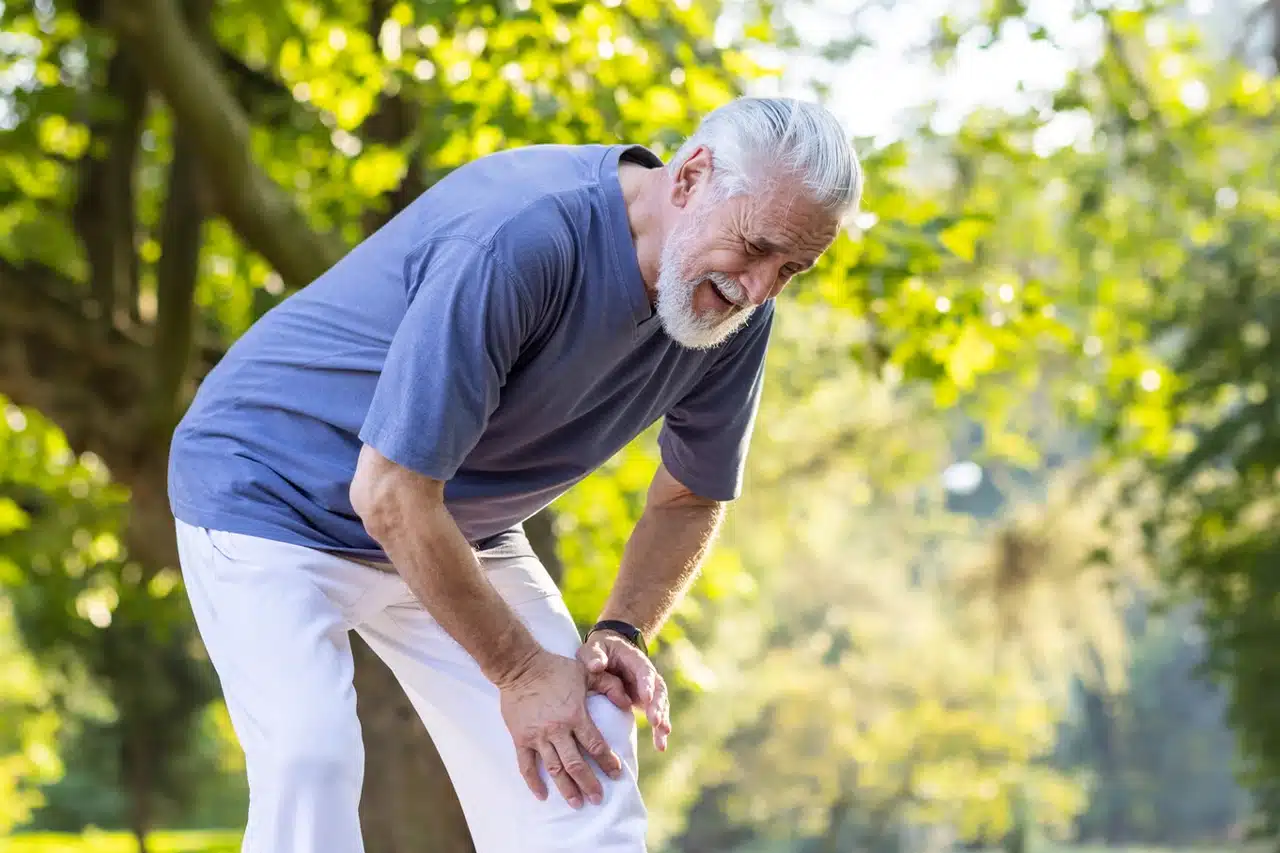
Clearing the edge of the bathtub requires several movements that can be a challenge with rigidity or pain, such as lifting a leg and rotating, as well as balance in general. Standing for a long time is also tiring and can increase hypotension for some people.
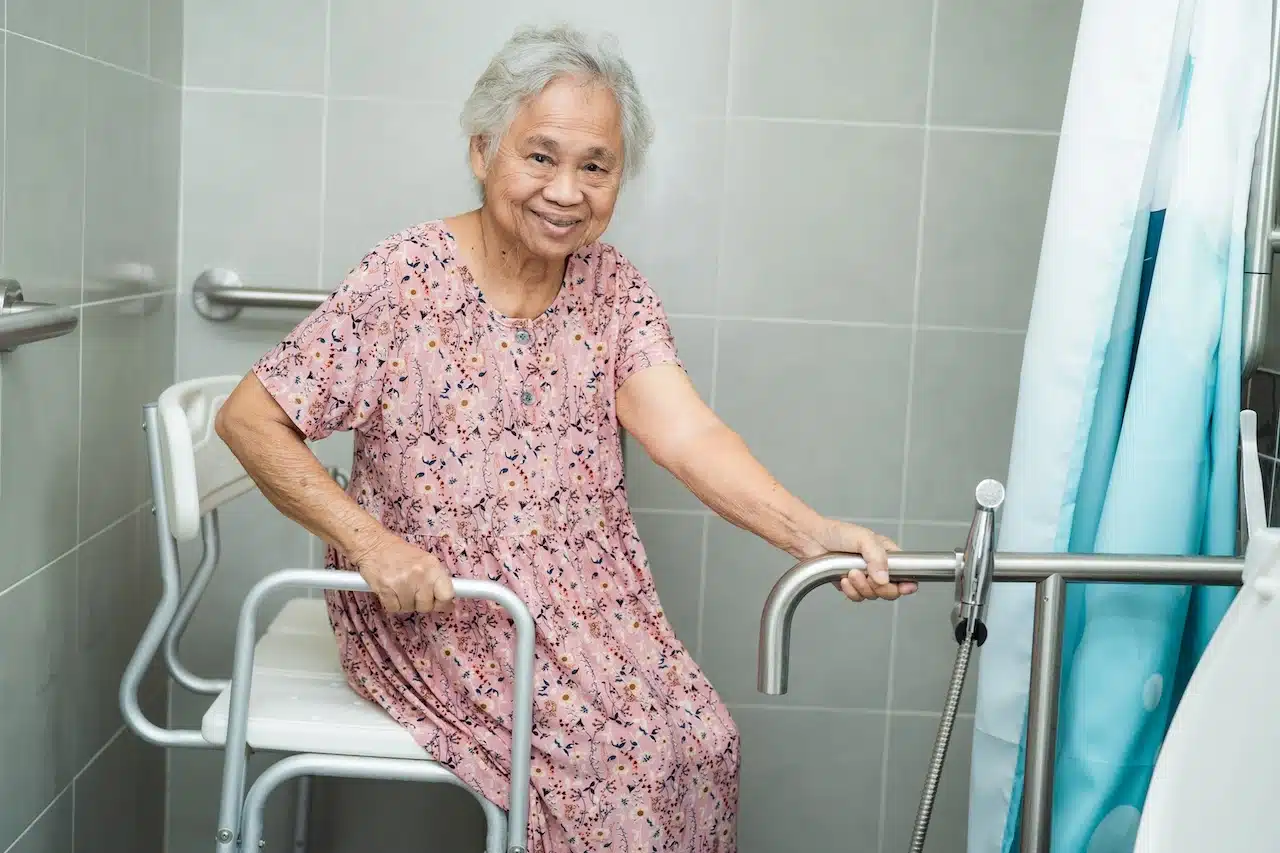
A bath lift chair makes transfers safer and lets you remain seated to complete your personal care.
Loss of autonomy in personal hygiene
The combination of tremors, stiffness and fatigue can lead to increasing dependence on help for bathing. Installing a bath lift chair and grab bars often delays loss of autonomy and reduces the burden on caregivers.
The bath chair: a valuable aid for people with Parkinson’s
Makes actions easier and reduces fatigue
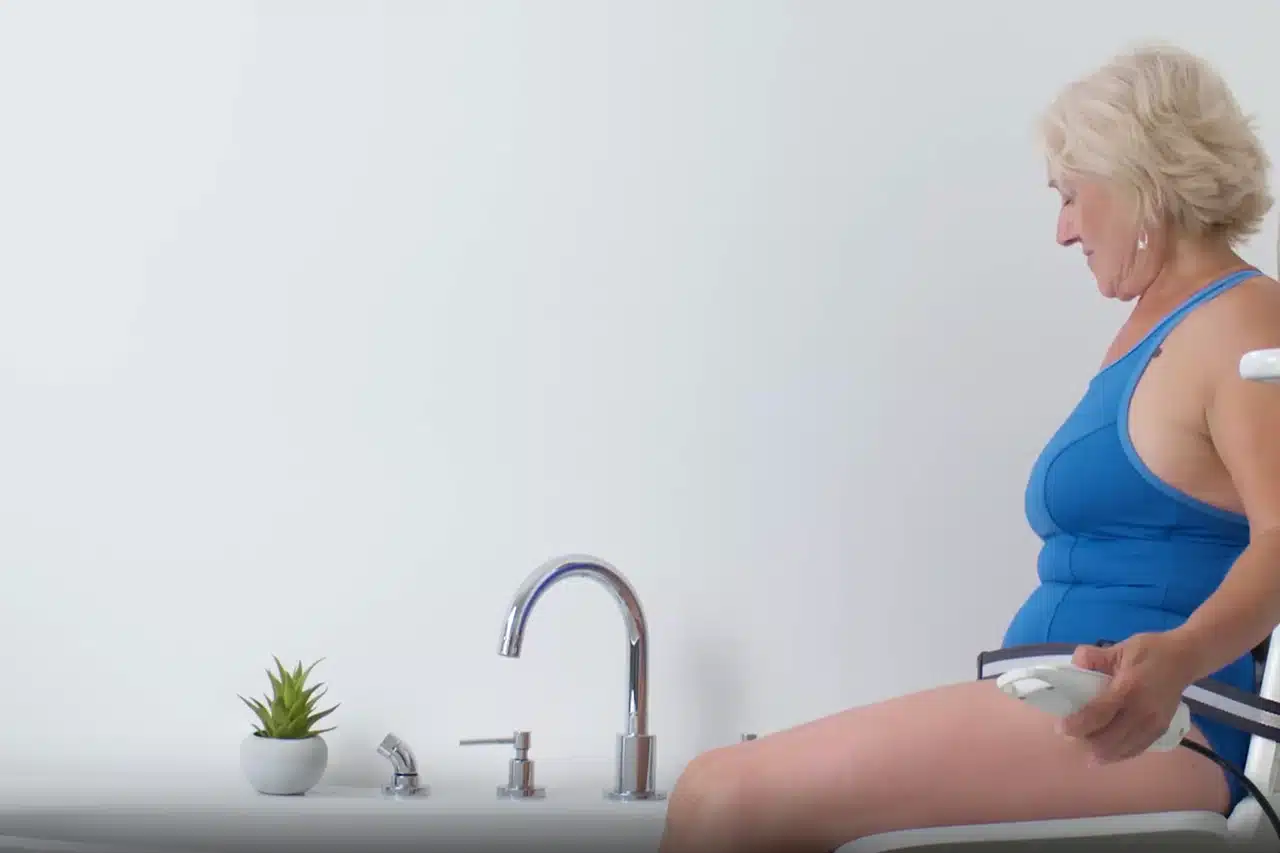
A bath lift chair makes transfers safe and limits demanding or risky positions such as bending and rotating. In addition, sitting to wash reduces fatigue and is reassuring, since you will not be afraid of falling. It will help you regain a sense of control over your hygiene routine.
This is even more true during off-medication periods. It lets you carry out more precise actions, save energy and reduce pain.
Preserves privacy and independence
Washing in a seated position, with items within reach and grab bars placed strategically, lets you keep washing on your own at your pace. This reduces risks and helps you preserve your dignity, which, in turn, strongly affects your quality of life.
Practical tips to set up an adapted bathroom
Here are some equipment options and space-organization tips that are essential to adapt your bathroom to your reality. These recommendations appear in fall-prevention and safe-layout guides:
Essential equipment (bars, non-slip features and more)
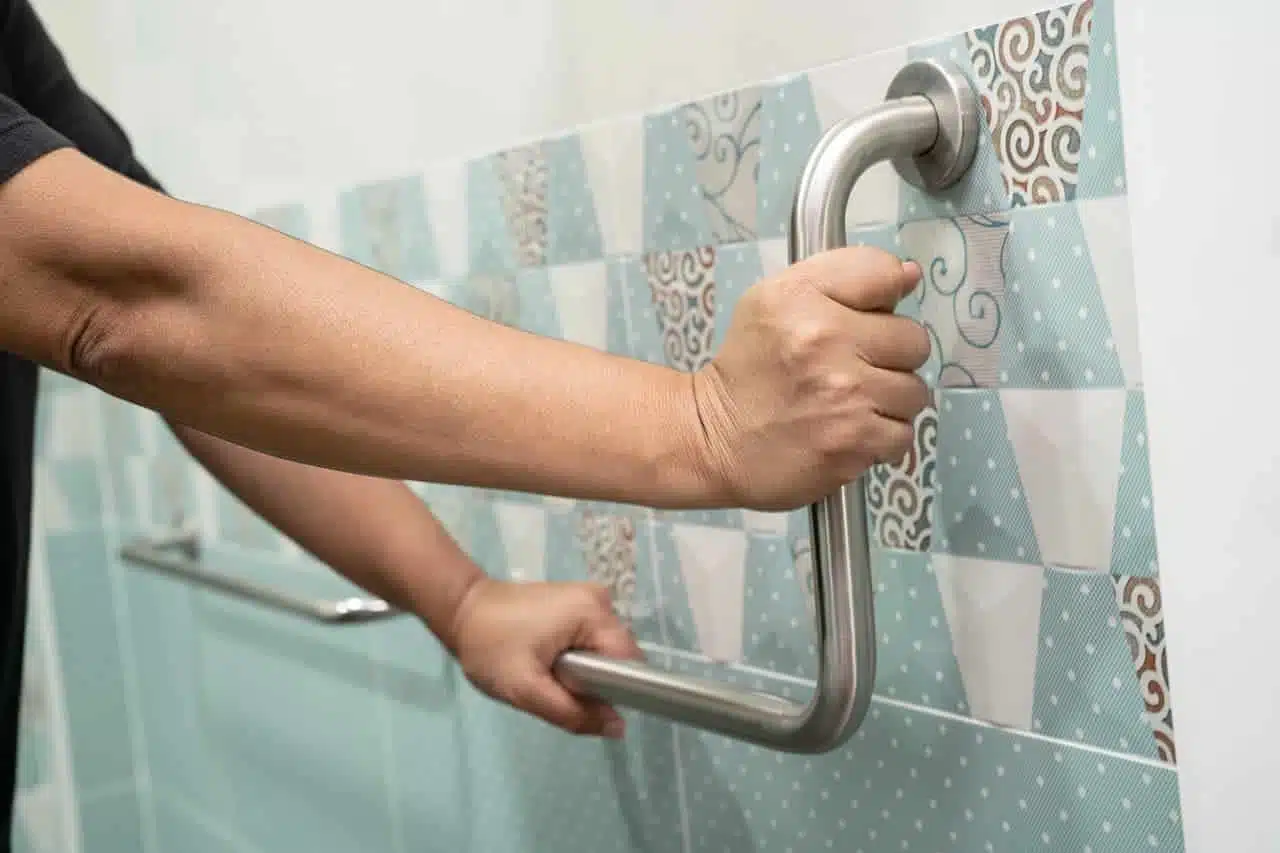
- Grab bars installed vertically and horizontally (entry and exit, near the shower, the bath and the toilet).
- Non-slip surfaces in the shower and the bathtub, along with a non-slip mat outside, secured to the floor.
- Chair or bench for the shower, bath lift chair for the bathtub.
- Handheld showerhead and a fixed soap dispenser to avoid slippery bottles.
- Bright, even lighting to reduce visual illusions.
Organize the space to limit effort
- Group items at hand height to avoid bending over.
- Declutter: remove loose mats, extension cords on the floor and superfluous furniture.
- Plan continuous supports (grab bars) from the hallway to the shower.
- Routines: schedule personal care as much as possible around medication timing, when movements are more fluid.
Plan for disease progression when choosing equipment
- Stability and capacity: choose a chair that matches your build and check the load capacity, along with non-slip surfaces and materials.
- Modularity: choose armrests, a backrest, an intimate opening if needed for daily care, and an adjustable height.
- Maintenance: materials resistant to water and easy to disinfect.
Sources
- Movement Disorder Society – Diagnostic criteria (overview for the public).
- MDS clinical diagnostic criteria (detailed document).
- Parkinson Canada – Non-motor symptoms.
- Parkinson Quebec – Symptoms and early signs.
- CHUM – Preventing falls among people with parkinsonism (PDF).
- Public Health Agency of Canada – You can avoid falls.
- INSPQ – Personalized multifactorial intervention (IMP) to prevent falls at home.
- Parkinson Canada – Fall prevention (brochure 2025).
- RAMQ – Devices supporting a physical impairment (eligibility and conditions).
- Medicus (QC) – Bathroom aids (overview of options).
- Parkinson Quebec – Move better and local resources.