
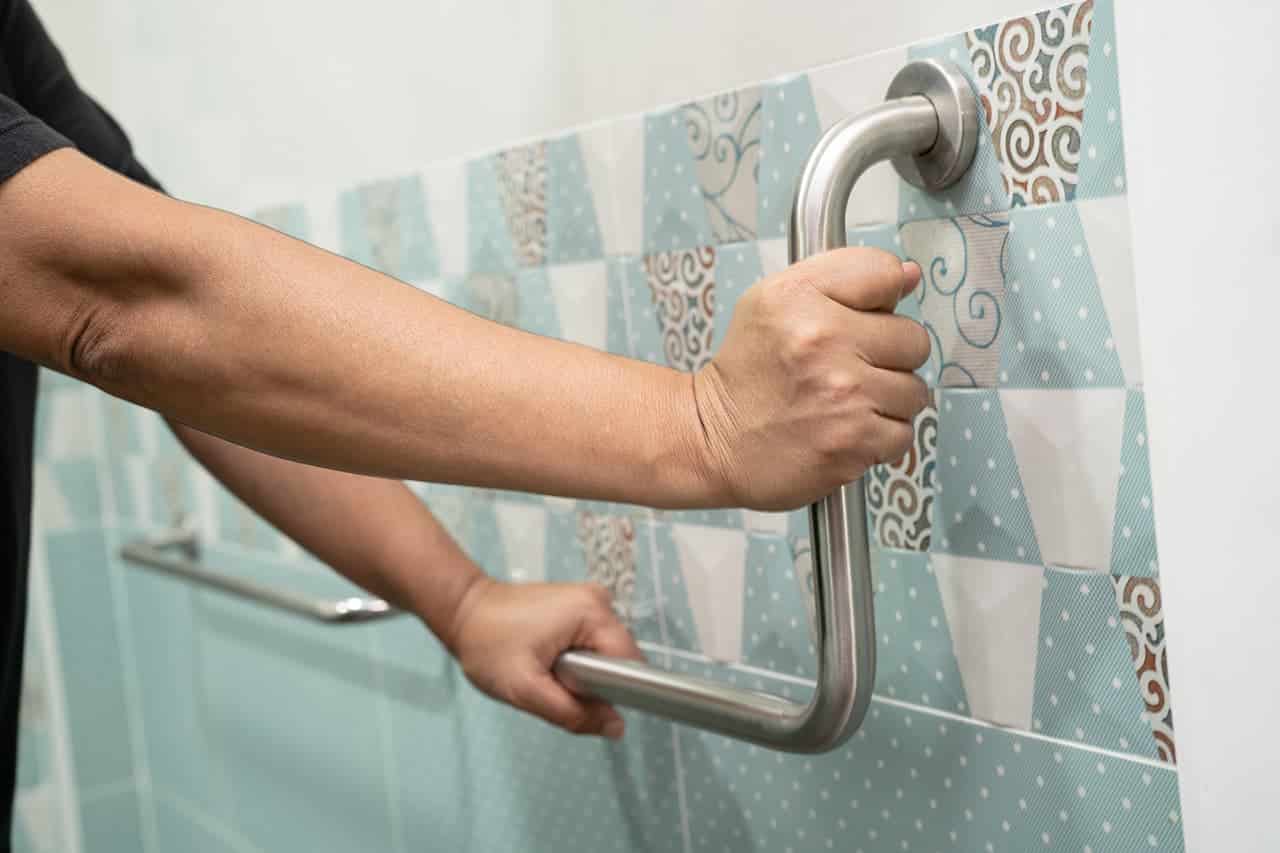
Falls in the bathroom are frequent among older adults, notably because of slippery surfaces, poor lighting and inadequate layout. Aging increases risks and can lead to significant physical and psychological consequences. Installing safety equipment such as grab bars, non-slip surfaces or a bath lift chair helps prevent falls and maintain independence.
Falls in the bathroom are frequent among older adults, notably because of slippery surfaces, poor lighting and inadequate layout. Aging increases risks and can lead to significant physical and psychological consequences. Installing safety equipment such as grab bars, non-slip surfaces or a bath lift chair helps prevent falls and maintain independence.

Why are falls in the bathroom so frequent among older adults?
The risks of falling in a bathroom are numerous and varied, and statistics show they are indeed frequent, especially among older adults. By identifying these risks, it becomes possible to put effective fall prevention measures in place.
A slippery, confined and often poorly adapted space
Slippery surfaces, such as ceramic tiles or bathtubs, are often to blame for falls. The same goes for unsecured rugs and items left on the floor, like towels or bath products, which also increase the risks.
In addition, a lack of proper lighting increases the chances of losing your footing. It is therefore essential to identify these hazards so you can eliminate or mitigate them.
The impact of aging on mobility and balance
Aging often brings a decrease in balance and muscle strength, which increases the risk of falls. People with reduced mobility may also have difficulty moving safely in the bathroom. It is therefore essential to plan a space that is adapted and secure.
The consequences of a fall: physical, psychological and social
Falls do not only create physical safety risks. There is, in fact, a post-fall syndrome that can also have serious impacts on the psychological health of older adults, since it affects their feeling of safety in their surroundings. Fortunately, there are ways to prevent or minimize these risks.
The best practices to make the bathroom safer
Setting up a safe bathroom is essential to reduce the risk of a fall for older adults in the bathroom. The following measures help create a safer environment for all users.
Non-slip mats, grab bars and proper lighting
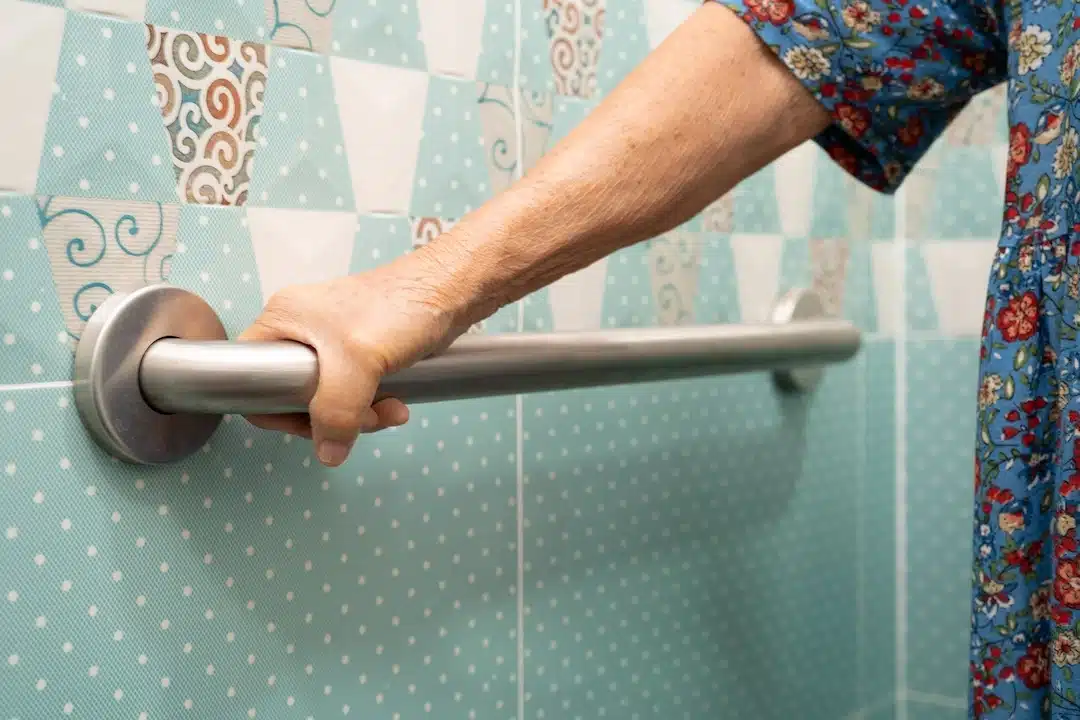
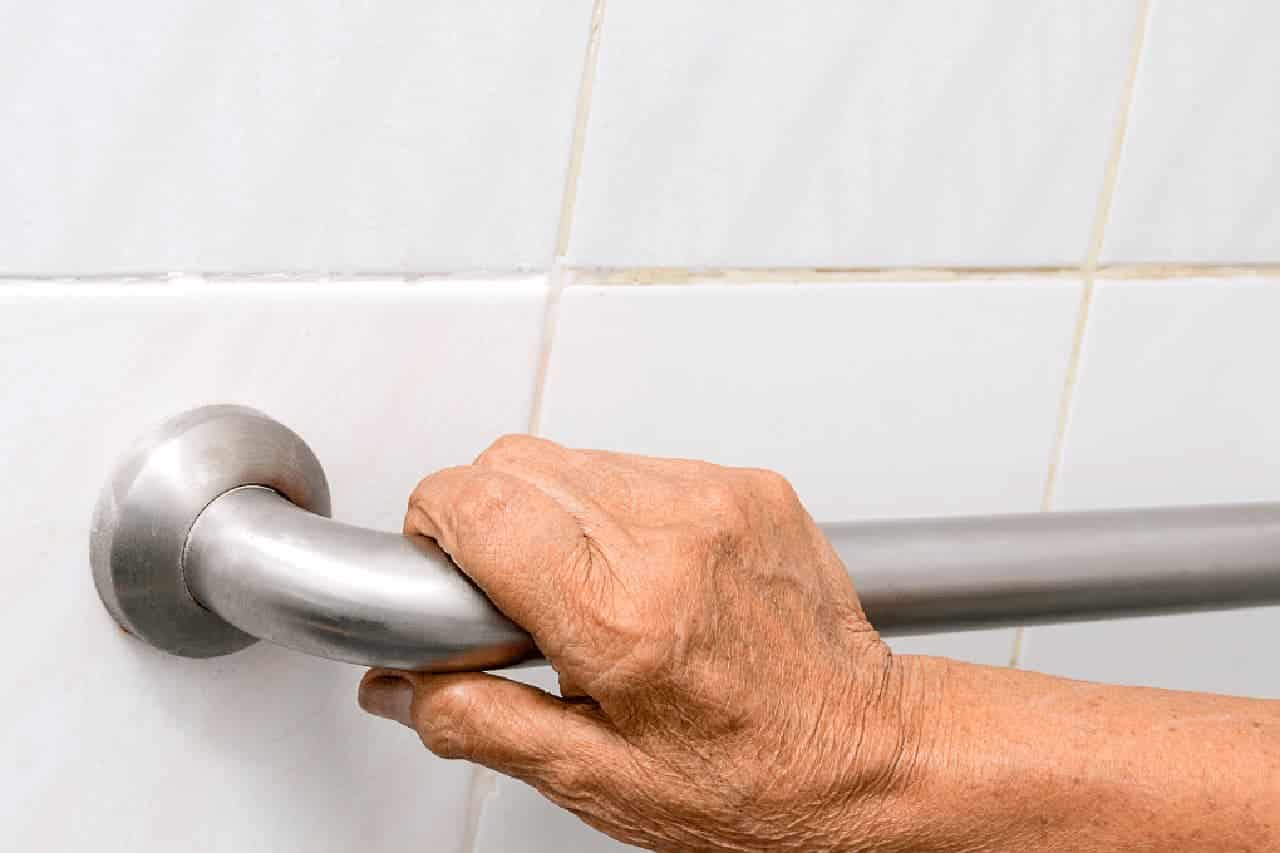
Non-slip mats offer better grip on slippery surfaces, which reduces the risk of falling. Grab bars provide extra support when entering and exiting the bathtub or shower. Installing these items can significantly improve bathroom safety.
Reorganize the space to make moving around easier
Good lighting is crucial for preventing slips and is not to be overlooked in your bathroom safety strategy. It will allow you to see obstacles clearly. It is recommended to use bright bulbs and to place additional lights near high-risk zones, such as the bathtub and toilet.
Also, organizing the space by keeping essentials within reach can reduce the need to move around unnecessarily, for more effective fall prevention among seniors.
Adjust the height and accessibility of equipment
Equipment must ensure easy access and its height must match your physical reality. This is all the more true for people with reduced mobility, who will benefit from appropriate equipment, such as bath or shower chairs.
Even for those who move easily, everything you need for your personal care must be within reach and easy to access. Standing on tiptoe on a slippery floor, for example, considerably increases the risk of slipping.

The essential role of the bath chair in fall prevention
Assistive devices such as bath chairs play a key role in bathroom user safety.
Who is it recommended for?
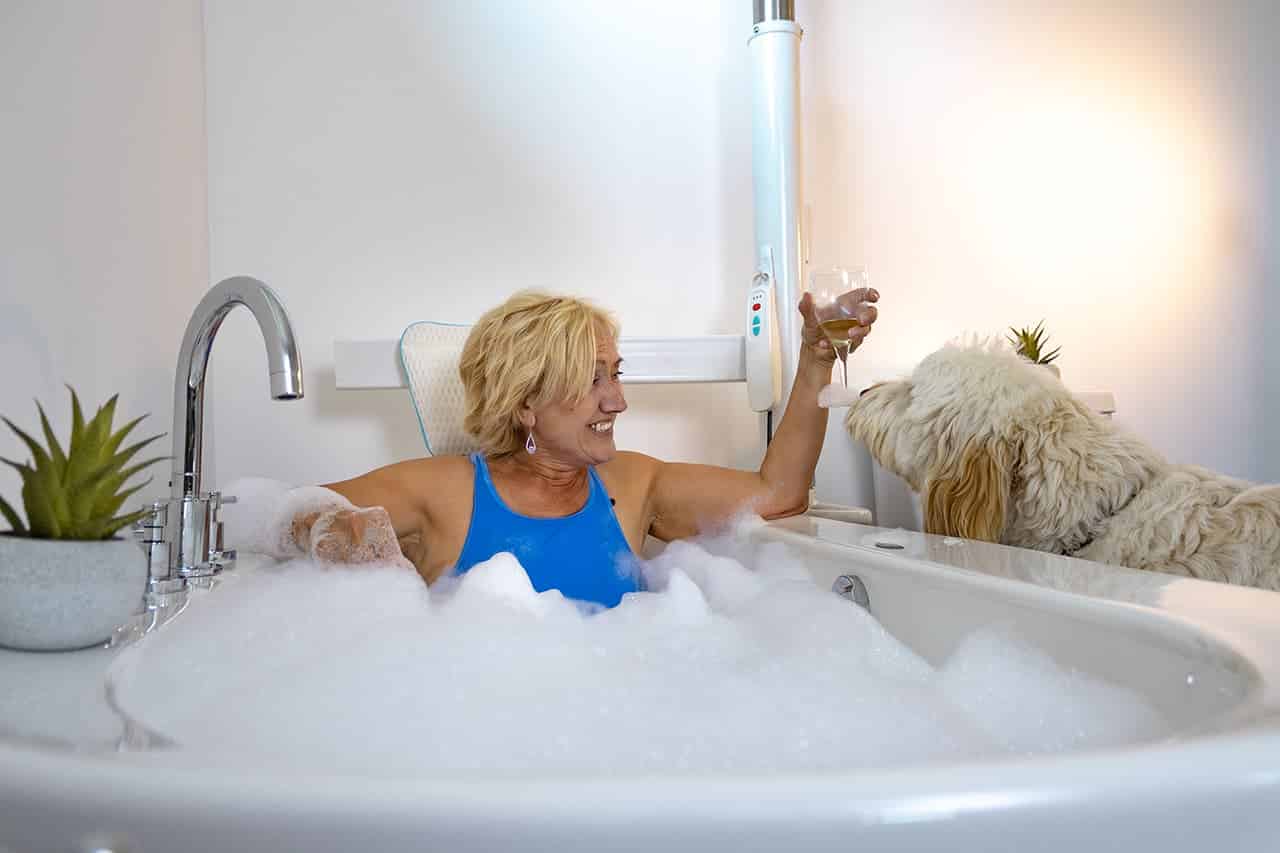
The bath chair is a simple and effective solution that improves your safety at a reasonable cost. It helps reduce the risk of falling significantly, since you remain seated at an easily reachable height without needing to sit at the bottom of the tub, for example.
It is recommended for older adults, people with reduced mobility and for other issues, such as those who suffer from frequent leg pain, for example.
How it improves safety and independence
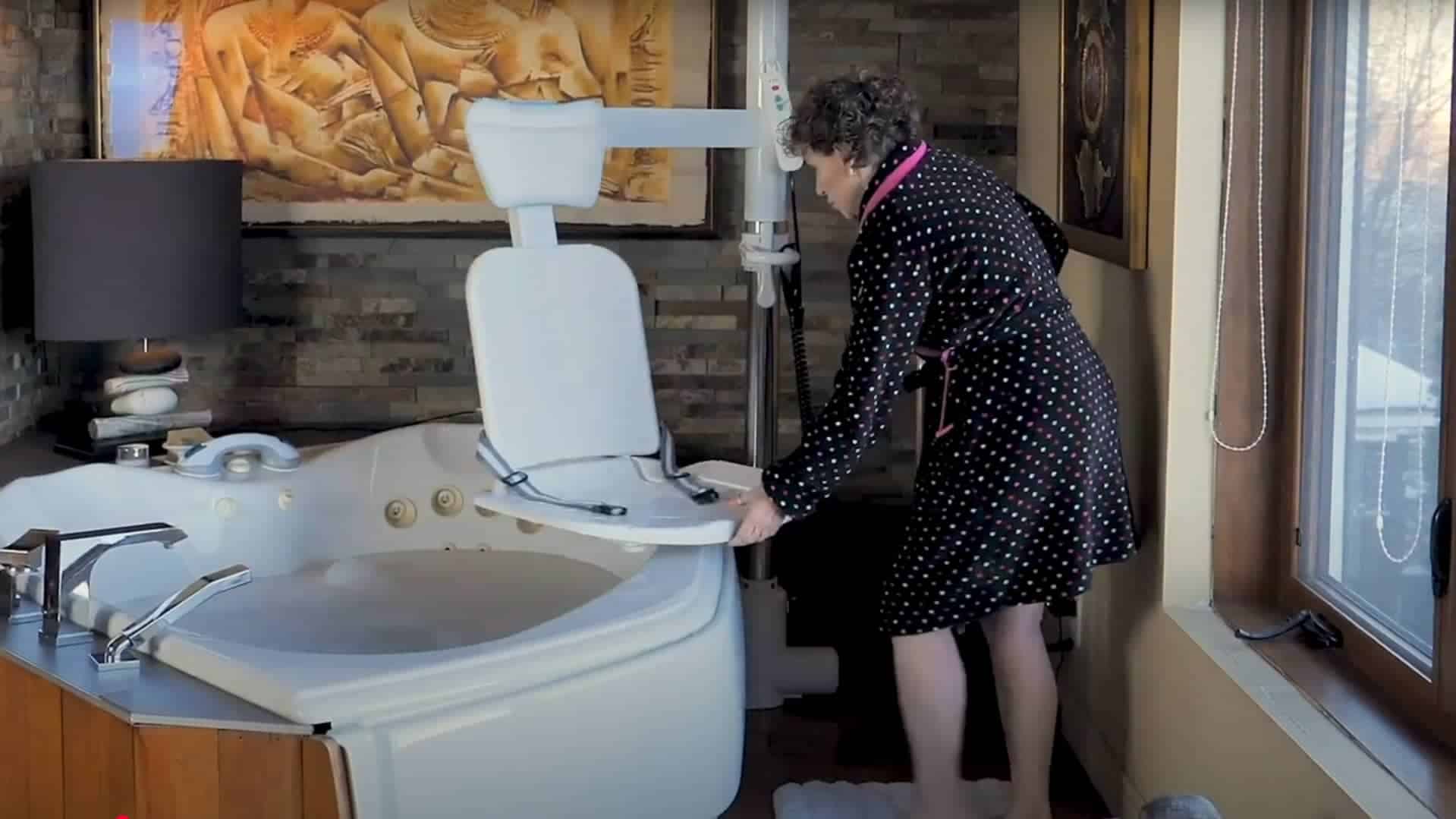
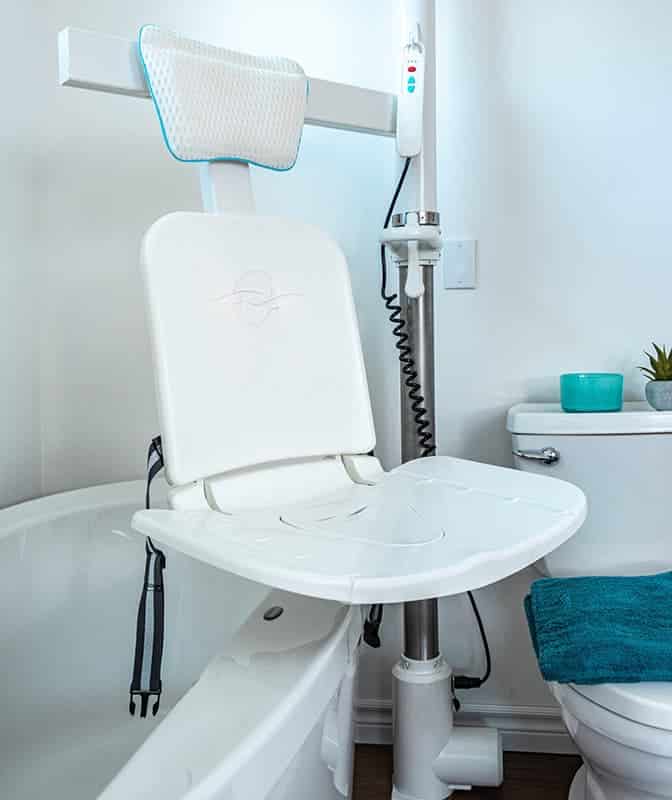
The bath chair, such as the Sécur-O-Bain bath lift chair, is designed to make it easier to get in and out of the bathtub. It offers safety features such as seat belts and non-slip materials, ensuring a safe bathing experience. This means you can continue to enjoy bathing independently.
The bath lift chair, a safe solution
The Sécur-O-Bain bath lift chair fits almost every style of bathtub and requires no maintenance. In addition to helping you enter and exit the bath safely, it offers additional features to minimize the risk of falls among older adults, such as a seat belt and non-slip materials.
Additional tips for caregivers
If you are a caregiver, you understand that preventing the loss of autonomy can allow older adults and people with reduced mobility to maintain their lifestyle habits and their personal hygiene for as long as possible.
Raise awareness without infantilizing
Fall prevention contributes not only to physical safety, but also to psychological well-being. By feeling safe in their environment, older adults and people with reduced mobility can maintain their autonomy and quality of life longer.
When you try to encourage a loved one to use an additional tool, such as a bath lift chair, for example, share the most convincing benefits with them, such as maintaining their independence.
Discreetly monitor mobility status
Losing autonomy has repercussions on mood and psychological state. A person may be inclined to hide their need for assistance. Keeping a discreet eye on the situation will help you act, and suggest or bring adapted solutions at the right time.
Plan for changing needs over time
For older adults, reduced mobility will only increase over time. It is therefore wise to choose adapted solutions from the start to ensure your investment follows the evolution of their physical condition and allows them to maintain their autonomy for as long as possible.