
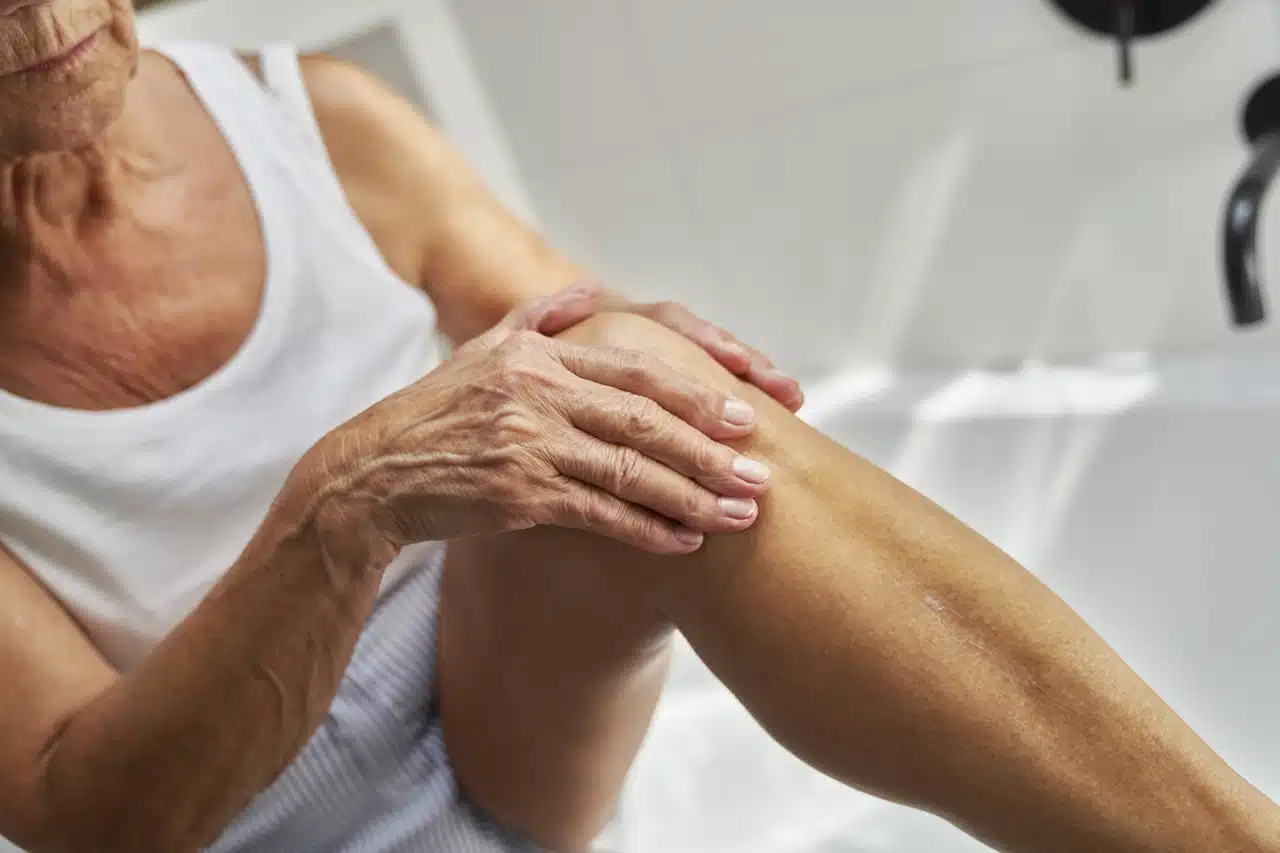
Leg pain among older adults mainly comes from osteoarthritis, venous insufficiency, peripheral artery disease (claudication), nocturnal cramps, certain medications and deconditioning. Falls at home remain a major issue in Quebec, particularly in the bathroom.
Leg pain among older adults mainly comes from osteoarthritis, venous insufficiency, peripheral artery disease (claudication), nocturnal cramps, certain medications and deconditioning. Falls at home remain a major issue in Quebec, particularly in the bathroom.
Effective solutions combine progressive aerobic exercise, cramp management, healthy habits (hydration, elevation), compression stockings when needed, and bathroom adaptations (grab bars, non-slip surfaces, bath chairs, etc.).
Why is leg pain common among seniors?
Leg pain is common among older adults because aging comes with joint wear, vascular changes and a drop in muscle mass.
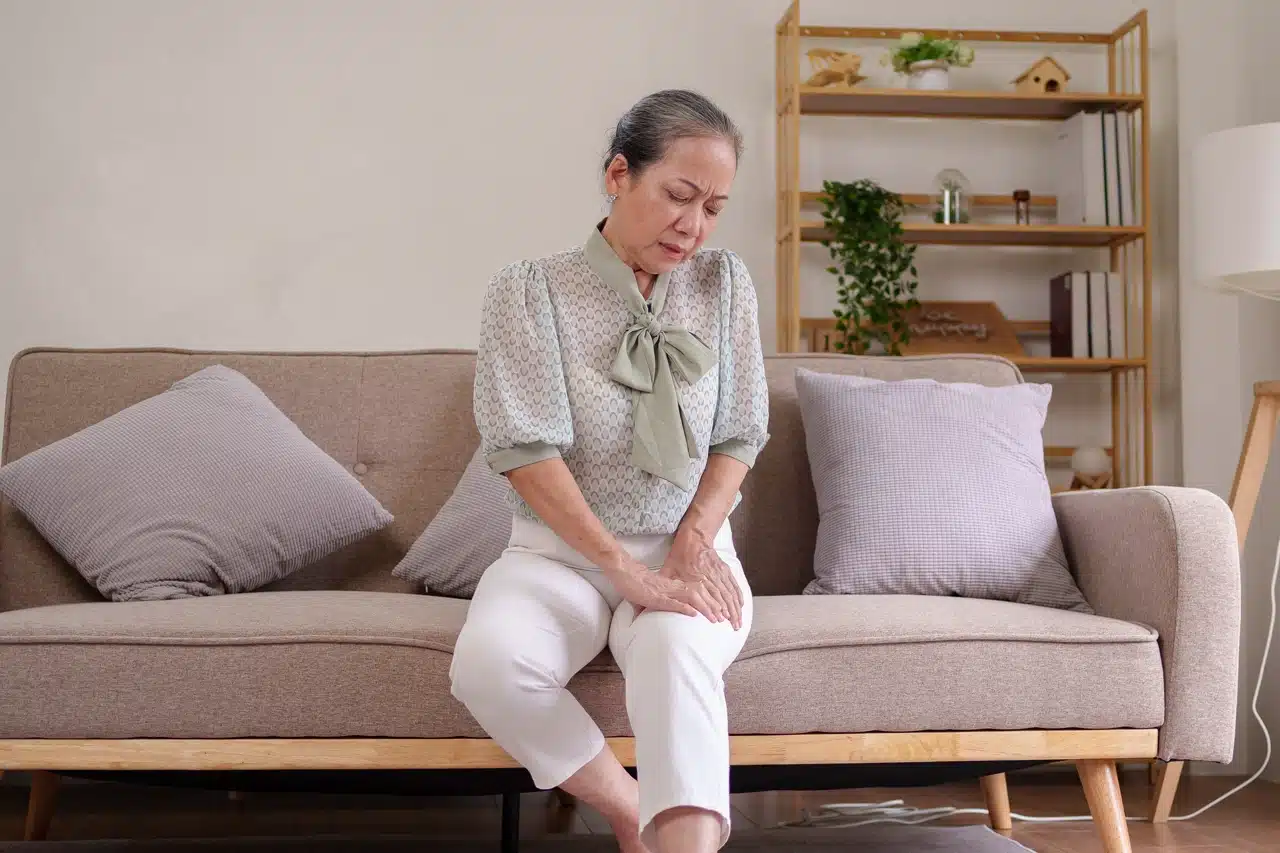
Muscle aging and loss of tone
Muscle aging (sarcopenia) corresponds to a gradual decrease in muscle mass and strength, which accelerates after 60 to 65 years. We lose so-called “fast” fibres and muscle quality decreases (less power, less tone, more fatigue). This affects stability, walking and venous return in the legs.
Circulation problems, osteoarthritis and chronic diseases
Circulation in the veins and arteries slows down and can lead to venous insufficiency, which causes heaviness in the legs, ankle swelling and end-of-day cramps.
Osteoarthritis often occurs due to wear of the knees and hips and causes pain, stiffness and swelling. In addition, some chronic diseases, such as diabetes, can damage nerves (neuropathy) and small vessels, causing burning sensations and numbness, as well as pain in the feet and legs.
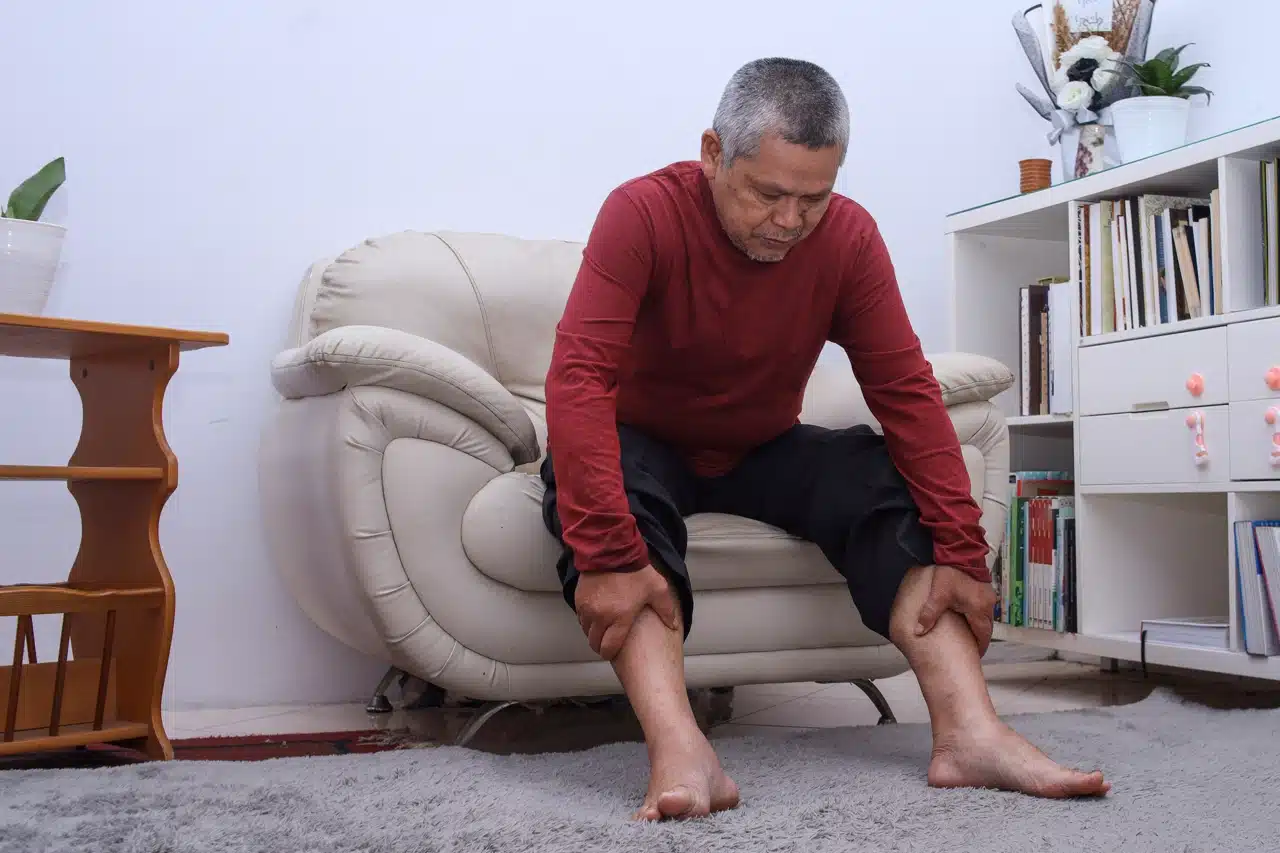
Increased pain when standing for long periods
Why does it hurt more when standing? Gravity increases venous pressure and load on the joints. Standing still for extended periods of time tires muscles that are already less toned, hence the pain that rises over time.
When leg pain limits daily independence
This issue does not affect only older adults. Leg pain can also affect people with disabilities and people with reduced mobility, and impact their day-to-day well-being.
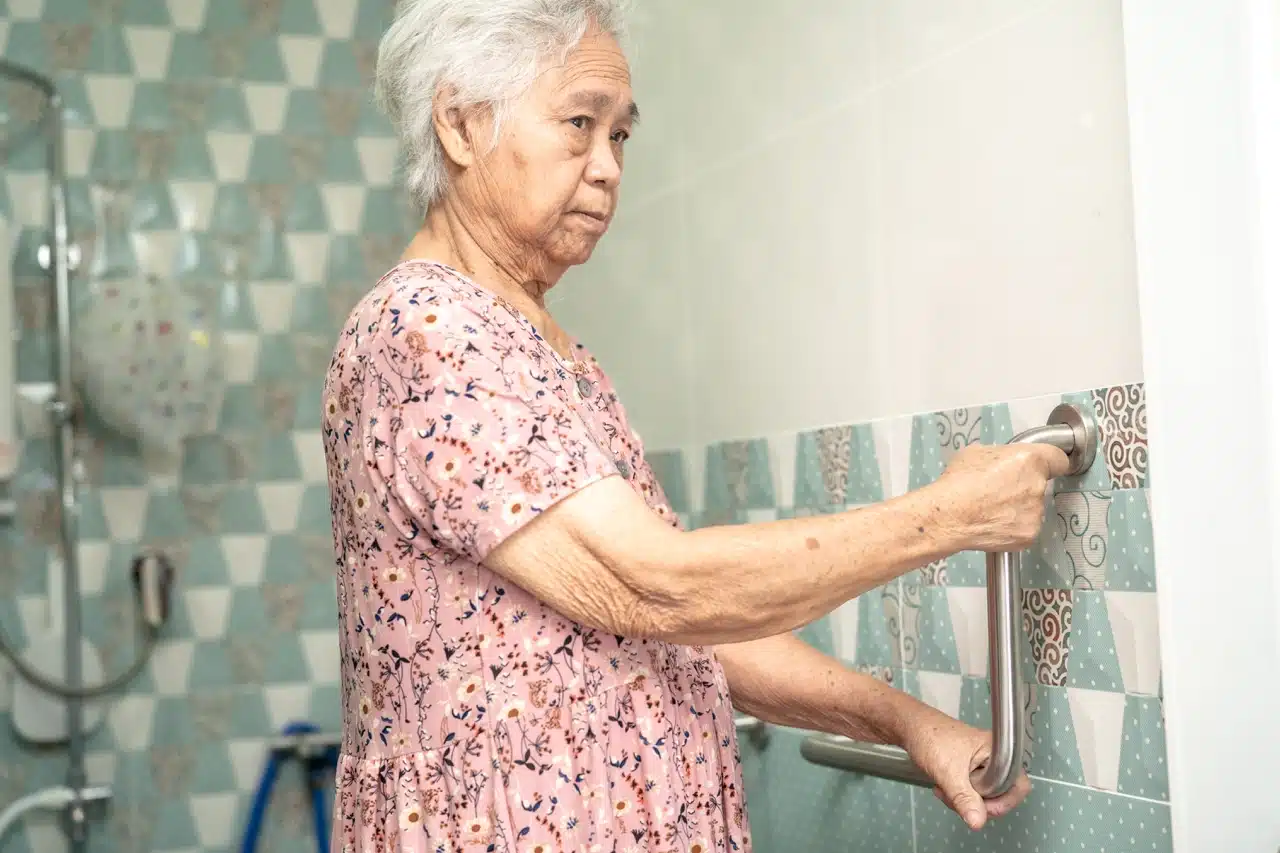
Difficulty walking, getting up and stepping into the shower
Why does pain complicate these actions?
- Less strength and stability: pain inhibits muscles, so we reflexively “protect” the leg, which weakens support and balance.
- Joint stiffness: osteoarthritis or inflammation reduces the range of motion, creating difficulty in “pivoting,” for example, or crossing a threshold.
- Vascular factors: with arterial disease, for example, walking triggers calf pain (claudication) that forces you to stop. With venous insufficiency, standing makes legs swell and feel heavy.
If leg pain limits your movements, you should take steps to prevent a fall and to avoid or reduce the loss of autonomy.
Fear of falling or slipping becomes an aggravating factor
The fear of falls also affects the way you move your body and can worsen the problem. Putting in place effective strategies, such as a bath lift chair, for example, can help you carry out your daily hygiene tasks with more confidence.
Pain and loss of mobility: a vicious circle
We often move less for fear of pain, which causes deconditioning. Then every action requires more energy. The less we move, the more pain worsens. It quickly becomes a vicious circle.
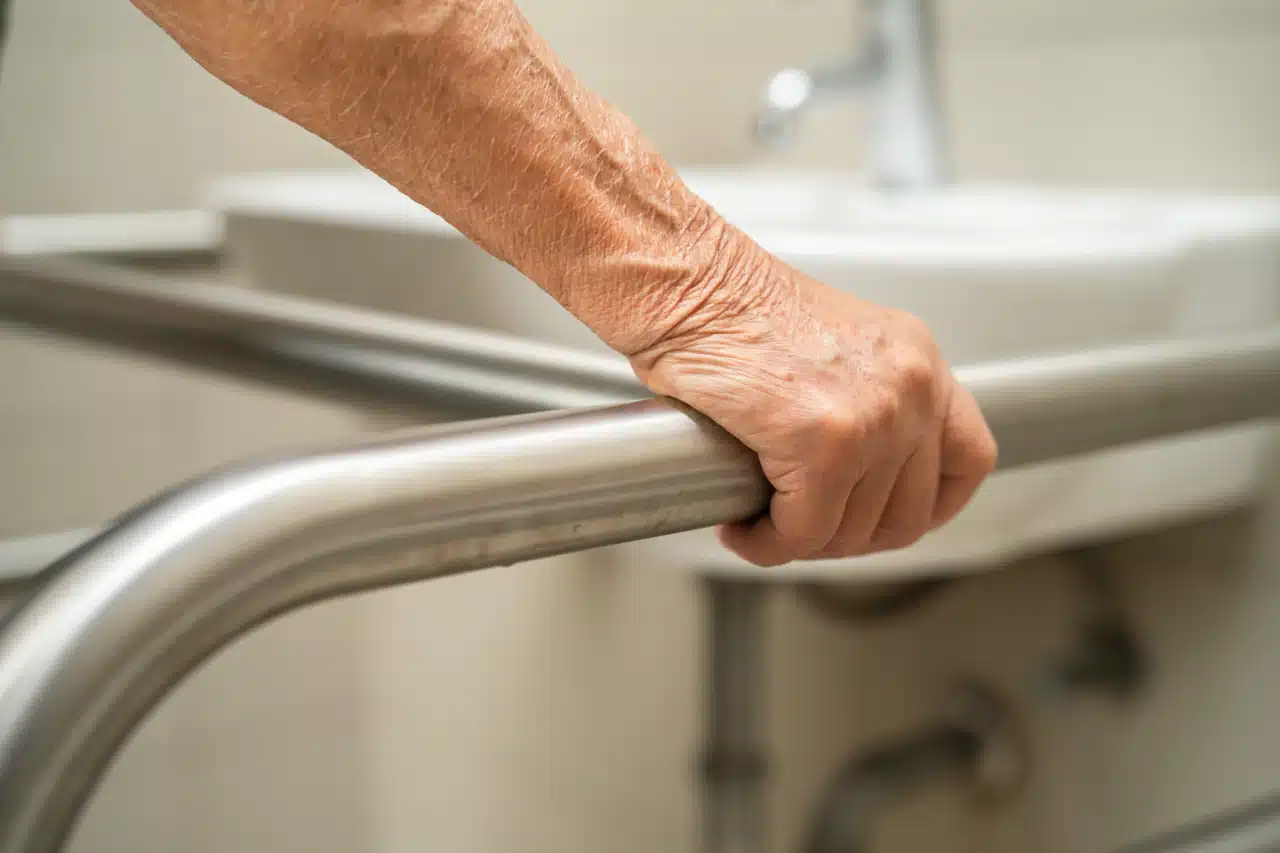
Which solutions provide effective relief?
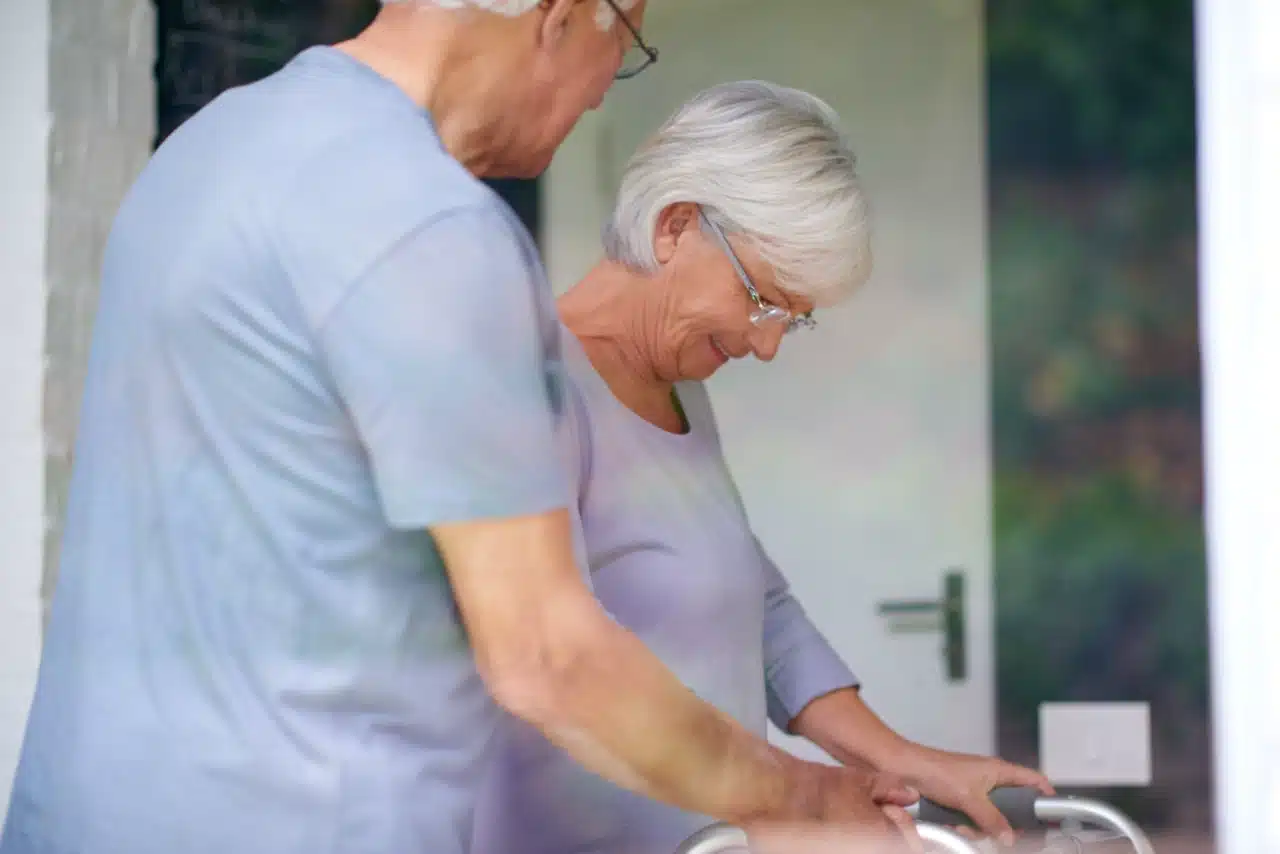
Gentle exercises and adapted physical activity
Here is a step-by-step example of a gentle walking exercise adapted for people with leg pain:
- Interval rhythm: alternate 2 to 3 minutes of walking with 1 minute of rest. Increase the walking segments very gradually.
- A soothing cadence: short steps, eyes looking ahead and arm swing to maintain balance.
- Use a cane or a counter at home to support yourself. It must be set at wrist height. A stable support is better than “pushing through.”
- Express warm-up (1 to 2 minutes): 10 ankle flexion-extensions, 10 knee lifts, 10 marching steps on the spot.
- Venous relief: walk often but for short periods, then elevate your legs for 10 to 15 minutes after.
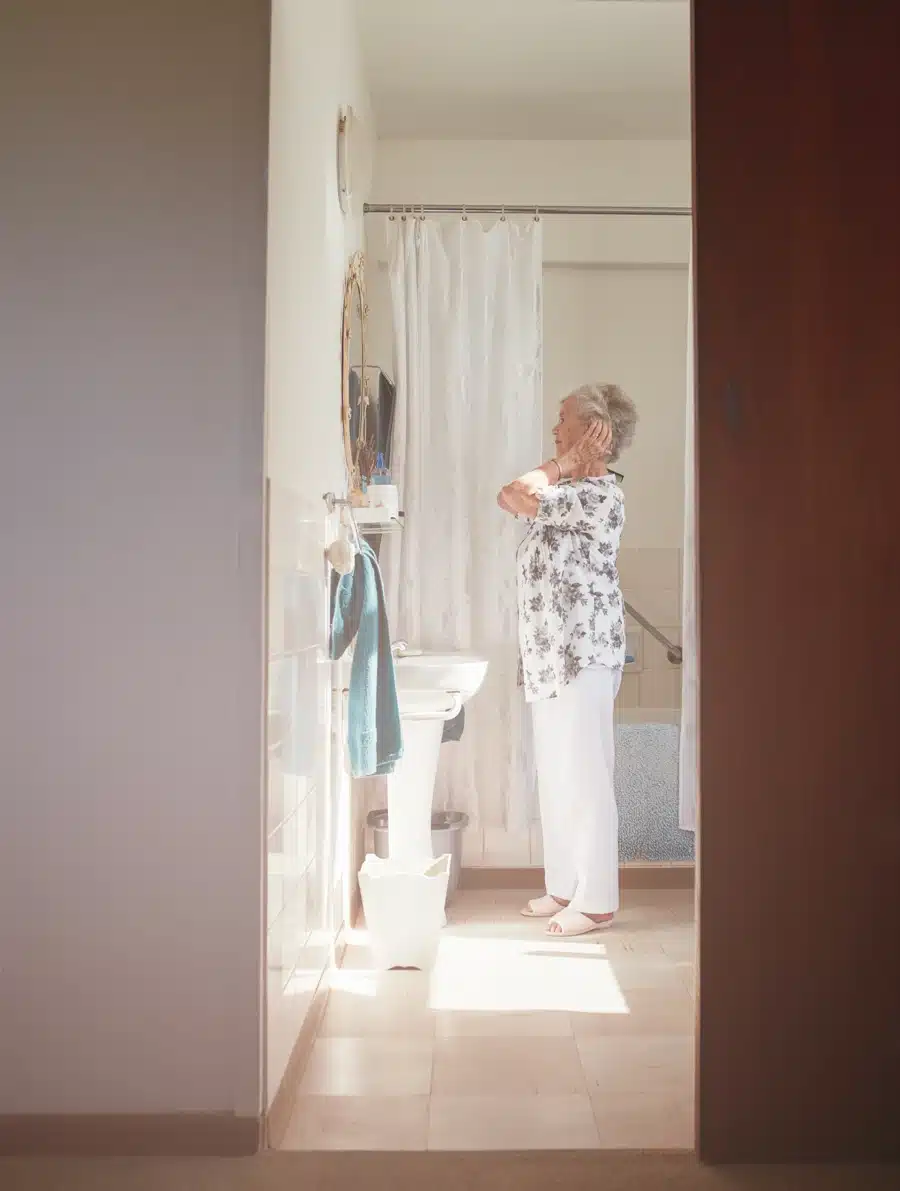
Medical treatments and guidance from health professionals
It is important to consult a doctor to determine the cause of leg pain, and the physician can then provide adapted recommendations. You should also consult if you show signs of osteoporosis, for example, or any other issue that could fuel the fear of falling or the fear of moving.
Adapt the environment with supportive furniture
Adapting your environment allows you to maximize your healthy lifestyle, along with effectively minimizing the risk of falling. A bath lift chair, for example, lets you perform daily personal hygiene tasks while helping you prevent risks of a fall, thus ensuring your safety and independence.
The bath lift chair: an ally for safe bathing
Here is how a bath lift chair, like the one offered by Sécur-O-Bain, can help you day to day.
Reduce pain while seated
You will no longer have to stand for an extended period of time. You will benefit from an ergonomic, comfortable seated position that helps reduce leg pain.

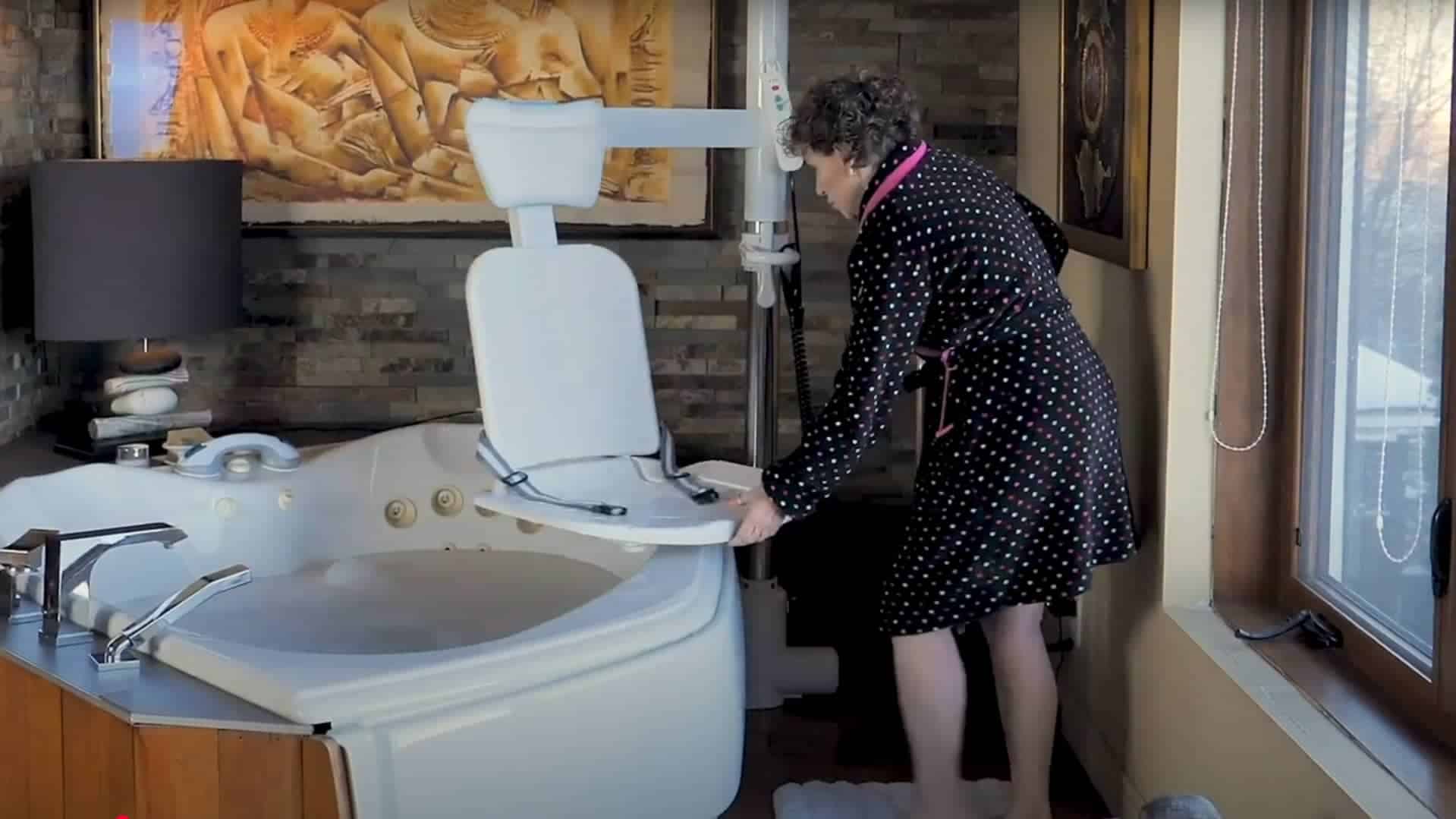
Avoid unnecessary effort and risky postures
Our lift seat performs the motions for you. This means you do not have to do unnecessary movements or risk the postures necessary to get in and out of the bath on a slippery floor, for example.
Regain confidence and comfort in daily life
Feeling safe in your environment is essential to maintaining autonomy. An effective, simple solution, such as a bath lift chair, can enhance your well-being and comfort each day, while giving you confidence to complete your personal hygiene tasks.
Get a quote
Sources
- INSPQ – Falls among older adults (Quebec).
- Public health Montréal – Home rooms at highest risk (bedroom and bathroom).
- BMJ (2025) – Aerobic exercise vs other modalities (knee osteoarthritis).
- Springer (2025) – Meta-analysis of aerobic exercises (KOA).
- Cochrane – Non-drug interventions for leg and foot cramps.
- MyHealth Alberta – Venous insufficiency: symptoms and factors.
- Mayo Clinic – Claudication (symptoms and care).
- Cleveland Clinic – Claudication (public guidance).
- SHQ – Home Adaptation Program (PAD). Official page and PDF standards.
- Accessibility Canada – CSA/ASC B651 standard (accessible design).