

Summary
- In short
- How much does a senior’s residence cost in 2026?
- What factors influence the price of a senior’s residence?
- What hidden costs should you plan for in a residence?
- What financial support can reduce costs?
- Private residence, CHSLD or staying at home: which option costs less?
- Why are more seniors choosing to stay at home?
- How do you secure a bathroom to avoid an early move?
- FAQ
- Get a quote
Summary
- In short
- How much does a senior’s residence cost in 2026?
- What factors influence the price of a senior’s residence?
- What hidden costs should you plan for in a residence?
- What financial support can reduce costs?
- Private residence, CHSLD or staying at home: which option costs less?
- Why are more seniors choosing to stay at home?
- How do you secure a bathroom to avoid an early move?
- FAQ
- Get a quote
Choosing a residence for a loved one quickly raises one question: how much does it really cost? The price of a senior’s residence varies widely with the level of care. Here are clear benchmarks to help plan your budget.
In short
The cost of a residence for an older adult in 2026 ranges from about $1,900 to over $6,000 per month, depending on care needs. An autonomous-living residence costs much less than a facility for long-term care, and the price of a public CHSLD in Quebec is capped. We compare options, hidden fees and the support programs that help reduce the bill.
How much does a senior’s residence cost in 2026?
The rate depends above all on autonomy. The more care required, the higher the bill. Below are the costs for autonomous, semi-autonomous and other types.
| Type of residence | Average monthly price | Level of care |
|---|---|---|
| Autonomous residence | ~$1,800 to $2,500 | Meals, housekeeping, security. minimal care |
| Semi-autonomous residence | ~$2,500 to $4,500 | Light to moderate assistance |
| Progressive care | ~$4,500 to $6,500 | Intensive assistance and regular care |
| Private long-term care facility (CHSLD) | ~$3,000 to $8,000 and up | Long-term care, unsubsidized |
The amounts shown are those published by the sources consulted at the time of research. They are subject to change without notice.
As a benchmark, a base PSR (Private Senior’s Residence) rent in Montreal is around $2,400, and a unit with care in Quebec City is close to $3,850.
Public CHSLDs are regulated. As of January 1, 2026, the maximum monthly contribution is about $2,242 (single room) and $1,873 (double occupancy), including meals and care.

What factors influence the price of a senior’s residence?
Four elements explain most of the price differences from one residence to another.
The region
A studio in Upper Town in Quebec City can be found around $1,258.
Unit type
A room costs less than a two-bedroom apartment.
Included services
Meals, cleaning and activities push up the base rent.
Level of care
The biggest factor. Each additional tier adds hundreds of dollars.

What financial support can reduce costs?
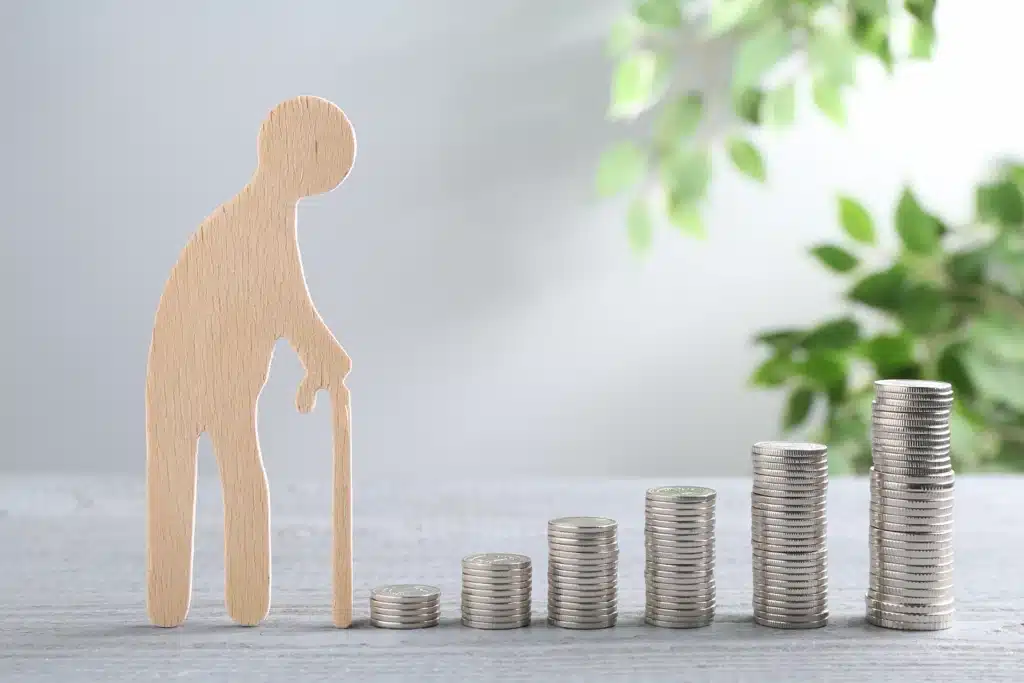
The tax credit for home-support services can significantly reduce monthly residence costs. At 40% in 2026, it also applies in certified PSRs.
Add the housing allowance, OAS, GIS and some 2026 grants, depending on your situation.
Private residence, CHSLD or staying at home: which option costs less?
The comparison is not just about price: autonomy, flexibility and quality of life matter just as much.
| Option | Average monthly cost | Level of autonomy | Flexibility | Quality of life |
|---|---|---|---|---|
| Private residence | ~$2,500 to $6,000 | Autonomous to semi-autonomous | Average | Social, structured |
| Long-term care facility (CHSLD) | ~$1,873 to $2,242 (public) | Significant loss of autonomy | Low | Constant care |
| Staying at home | Variable, often lower | Autonomous to semi-autonomous | High | Familiar, tailored |
The amounts shown are those published by the sources consulted at the time of research. They are subject to change without notice.
Why are more seniors choosing to stay at home?
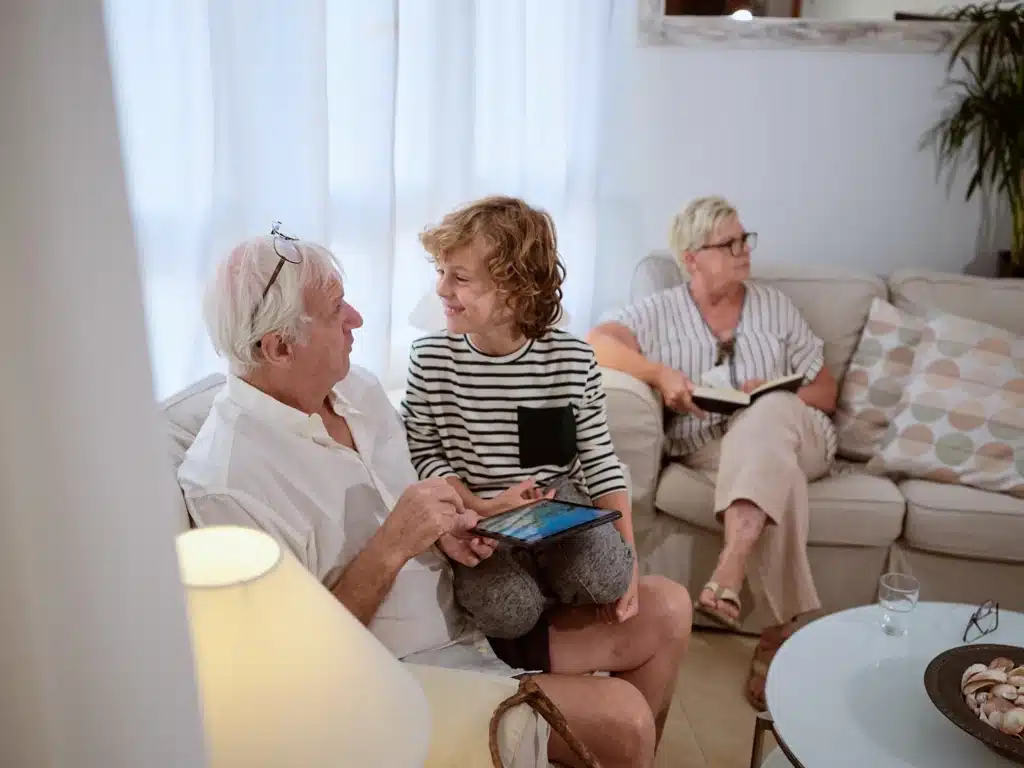
Aging at home allows you to preserve familiar surroundings and, often, your budget. By paying only for necessary services, many families spend less than in full-service residences.
It is therefore an advantage for seniors ages 65 and over and a motivation to remain at home. Tax support also makes this choice realistic.
How do you secure a bathroom to avoid an early move?

Often it is not overall loss of autonomy that forces a move, but rather one dangerous room, for many falls occur in the bathroom.
How the Sécur-O-Bain chair supports daily independence
Before considering an expensive residence, many families will adapt the home. The Sécur-O-Bain chair removes the riskiest step of bathing: the transfer. All you have to do is sit, and the chair will pivot. This allows you to wash safely, which supports aging at home and postpones much heavier expenses.
FAQ
What is the average price of a senior’s residence in Quebec in 2026?
$1,800 to $2,500 per month for an autonomous residence. $3,500 to $6,000 and more with care.
What is included in a private senior’s residence?
The base rent covers housing, meals, housekeeping, laundry and security. Personal care is often extra in a private senior’s residence.
Are there financial support programs to help pay for a residence?
Yes. the home-support credit in certified PSRs, the housing allowance and the GIS for modest incomes.
Is it cheaper to stay at home than go to a residence?
Often yes, especially to help a parent stay at home when they are still autonomous, pay only for necessary services and benefit from the tax credit.
Why is the bathroom such a key issue for seniors?
It is the room where most falls occur. Securing it often allows you to remain at home longer.