

Summary
Medical disclaimer: This article is for educational purposes only. It does not replace medical advice. If in doubt (pain, fall, fracture or any other reason), consult a health professional.
Summary
- Osteoporosis is a disease that weakens bones by reducing their density. It often progresses without pain until a so-called “fragility fracture” (hip, wrist, vertebrae) occurs.
- Care combines medications, calcium and vitamin D, safe exercise and diet.
- The most important intervention remains home adaptations aimed at preventing falls, with special attention paid to the bathroom.
- Sécur-O-Bain recommends the bath lift chair to reduce prolonged standing, decrease loss of balance and make transfers safer.
What is osteoporosis?
Definition and progression of the disease
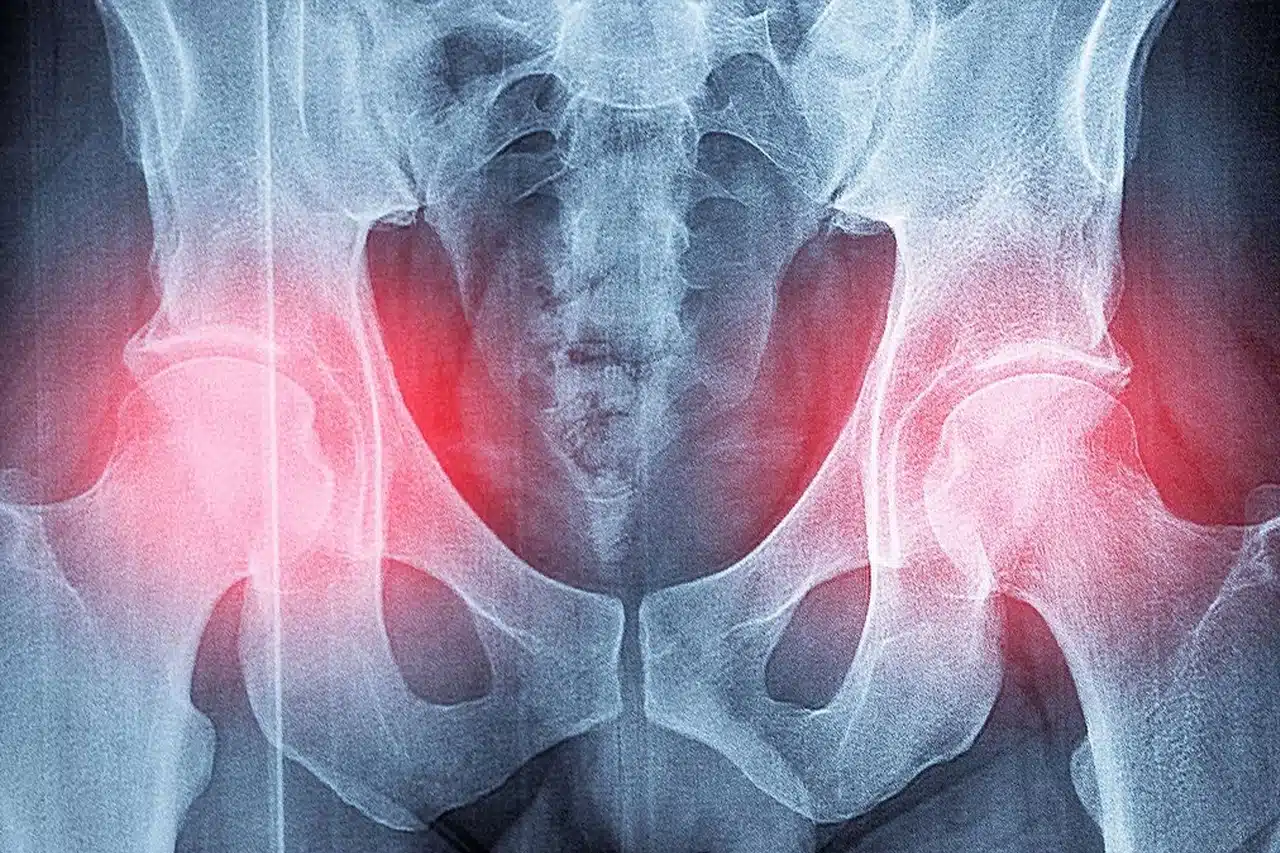
Osteoporosis is characterized by a decrease in bone mass and alteration of bone microarchitecture, causing increased fragility and a higher risk of fracture with minor trauma, for example a fall from standing height. Often silent, it is revealed by an osteoporotic fracture or “fragility fracture” (hip, wrist, vertebra, humerus).
The disease of osteoporosis progresses differently in men and women. For osteoporosis in women, the largest decline in bone loss occurs in the 10 years following the last menstrual period. In men, this decline appears around 65 to 70 years.
Who is affected? Predispositions and aggravating factors
- Age: increasing risk after 50 for women and 65 to 70 for men.
- Female sex: higher risk in post-menopause.
- Personal history of fragility fracture or family history.
- Long-term corticosteroids, tobacco, alcohol, low BMI, sedentary lifestyle.
- Certain diseases (malabsorption, hyperthyroidism, COPD and more).
Symptoms and diagnosis
The frequent absence of symptoms of osteoporosis can make the diagnosis difficult, because osteoporosis does not cause a specific “diffuse bone pain” until there is a fracture. Diagnosis relies on bone densitometry (DXA) and risk assessment.
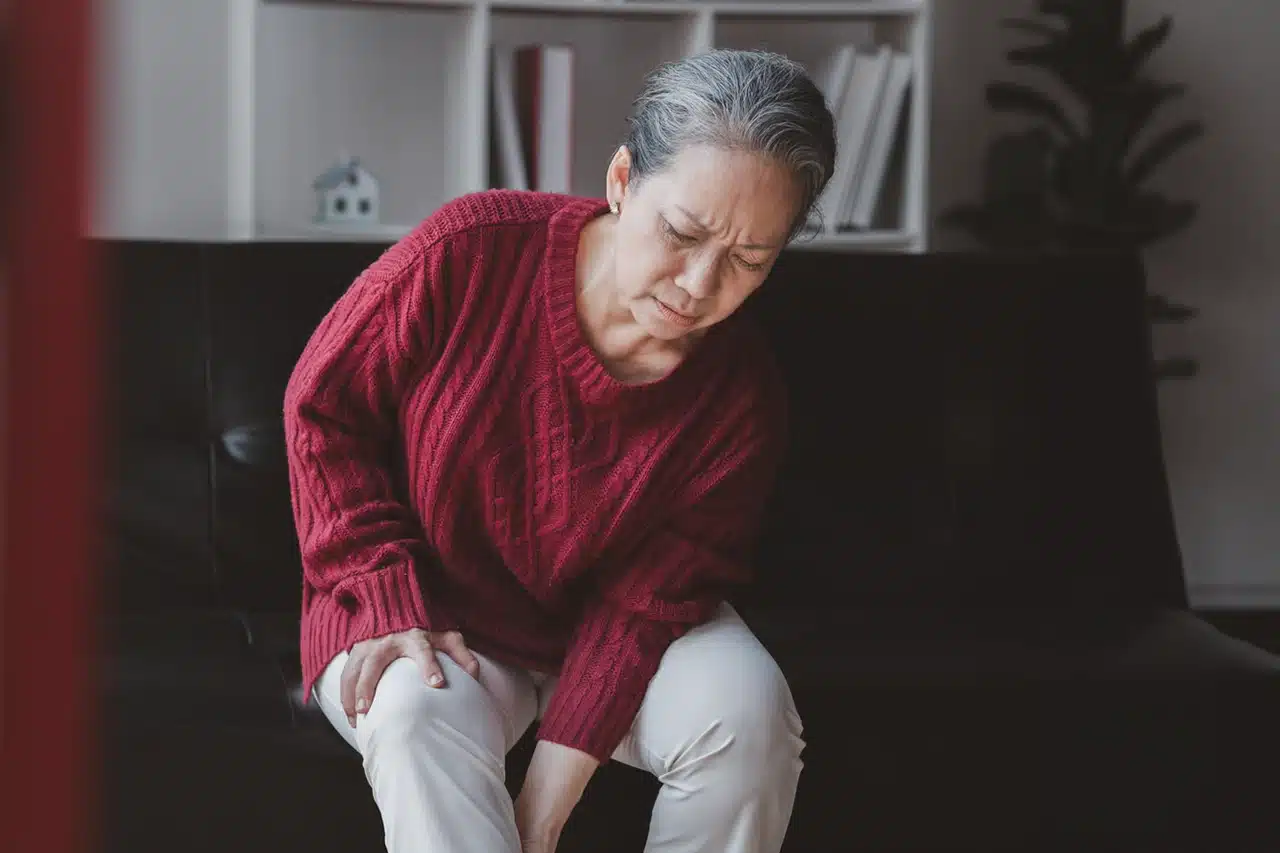
Although there are often no symptoms at first, osteoporosis can make you feel like you “hurt everywhere” (diffuse pain) or include the presence of pain in the legs.
Why is osteoporosis dangerous?
More fragile bones, therefore more prone to fractures
Fragility fractures increase sharply with age and, since osteoporosis often causes no symptoms at the beginning, you must remain vigilant starting in your fifties. Among people over 80, the hip is the most frequent fracture and the one that leads to the heaviest functional and vital consequences. For this reason, it is essential to ensure fall prevention, such as in the bathroom, for example.
The impact of falls on health and autonomy
Falls are a major issue, since they often lead to hospitalization and long-term care, in addition to leading to a loss of autonomy. One of the best treatments for osteoporosis, therefore, remains fall prevention.
Risk of long, disabling complications
After a hip fracture, there is a one in four chance of all-cause mortality within a year. A significant proportion of people suffering from a hip fracture never regains their previous level of autonomy.
Treatments and medical prevention
Medications and supplementation
Since the cause of osteoporosis is loss of bone density, supplementation aimed at maintaining this density will be recommended, such as taking calcium and vitamin D. Regarding osteoporosis and medications, options include bisphosphonates, denosumab and anabolic therapies (for example teriparatide) depending on the patient. The strategy is individualized and re-evaluated periodically.
Diet and adapted physical activity
In addition to supplementation, osteoporosis management includes dietary measures focused on protein and calcium intake, as well as vitamin D depending on the season.
If you have osteoporosis, foods to avoid include excess sodium and caffeine, alcohol, soft drinks and certain vegetables rich in oxalates (spinach, chard or Swiss chard, rhubarb, beet greens) since they limit calcium absorption, as well as high doses of vitamin A.
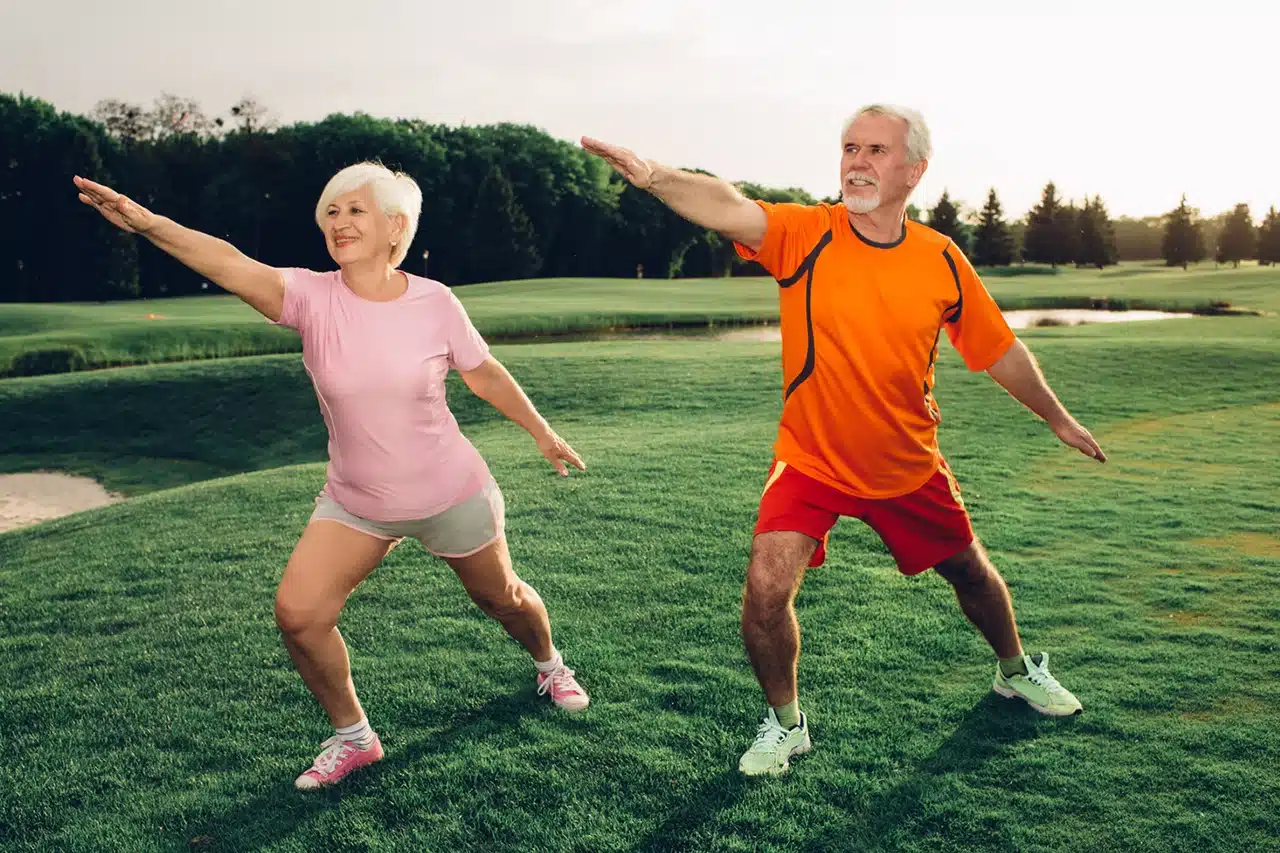
Exercise is also strongly recommended, especially to strengthen balance and support bones, which consequently also helps prevent falls. Walking and posture exercises are preferred, while sudden flexion and rotation movements should be avoided.
Medical follow-up and early screening
In Canada, care primarily involves risk assessment for each patient to tailor medical follow-up. In all cases, a diet rich in calcium and vitamin D and free of the foods to avoid, regular exercise that focuses on strengthening balance and supporting bones, and fall prevention are the most effective strategies.

Making the environment safer: a vital step in osteoporosis
Prevent falls rather than suffer the consequences
Since falls can have disastrous consequences, interventions that target home hazards, including identifying and correcting risks, can significantly reduce the chances of a fall.
Risk areas: stairs, bathroom and kitchen
The bedroom and bathroom are common locations for falls at home, and most occur in the morning. Wet surfaces, prolonged standing and transfers such as getting in and out of the bath increase these risks.
The bath chair as a major prevention tool
Sécur-O-Bain recommends the bath lift chair as a simple and accessible solution to:
- Reduce standing time and fatigue during personal hygiene tasks.
- Limit balance loss at critical moments, such as soaping, rinsing, washing feet and shaving.
- Complete transfers safely and maintain autonomy for a longer period.
Set up the bathroom to avoid accidents
Here are some simple and effective interventions that aim to considerably reduce the risk of falls.
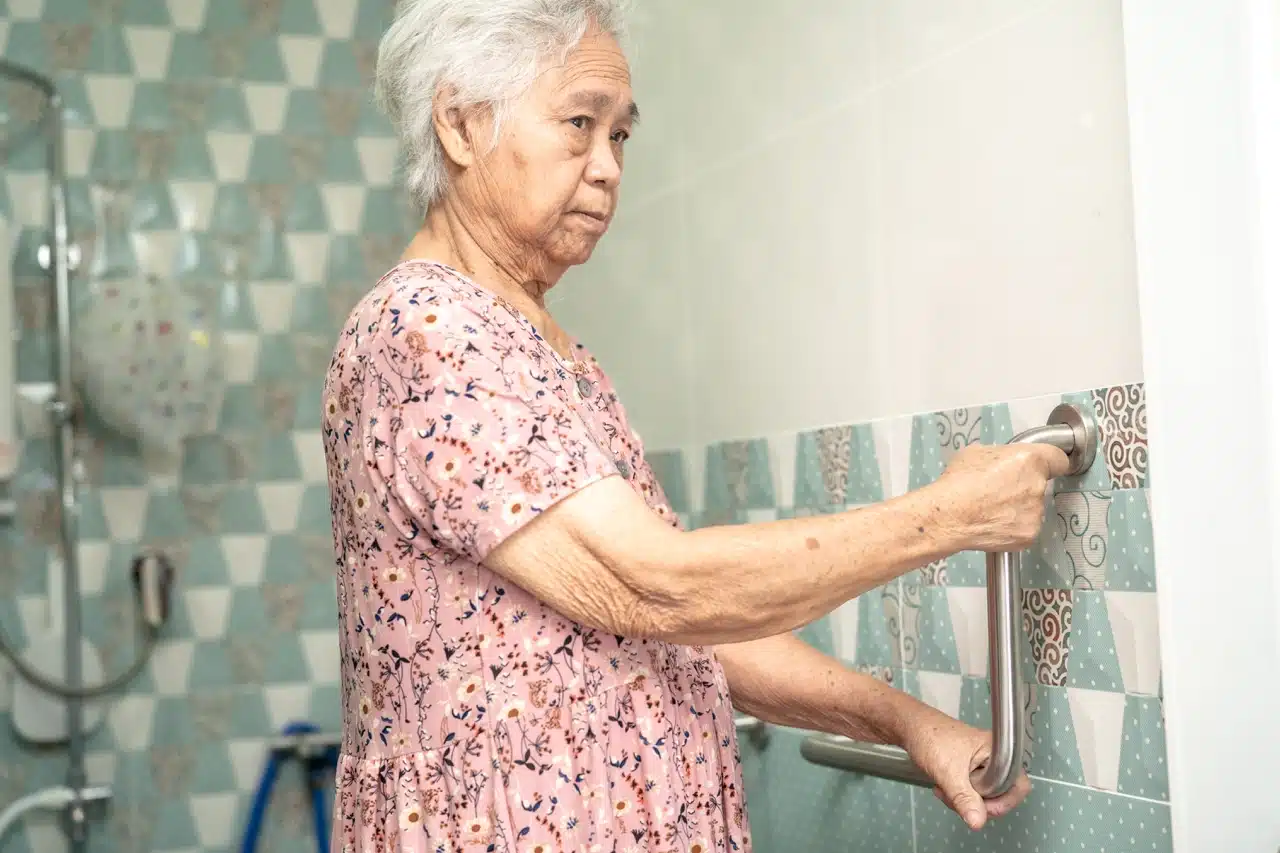
Grab bars and non-slip coverings
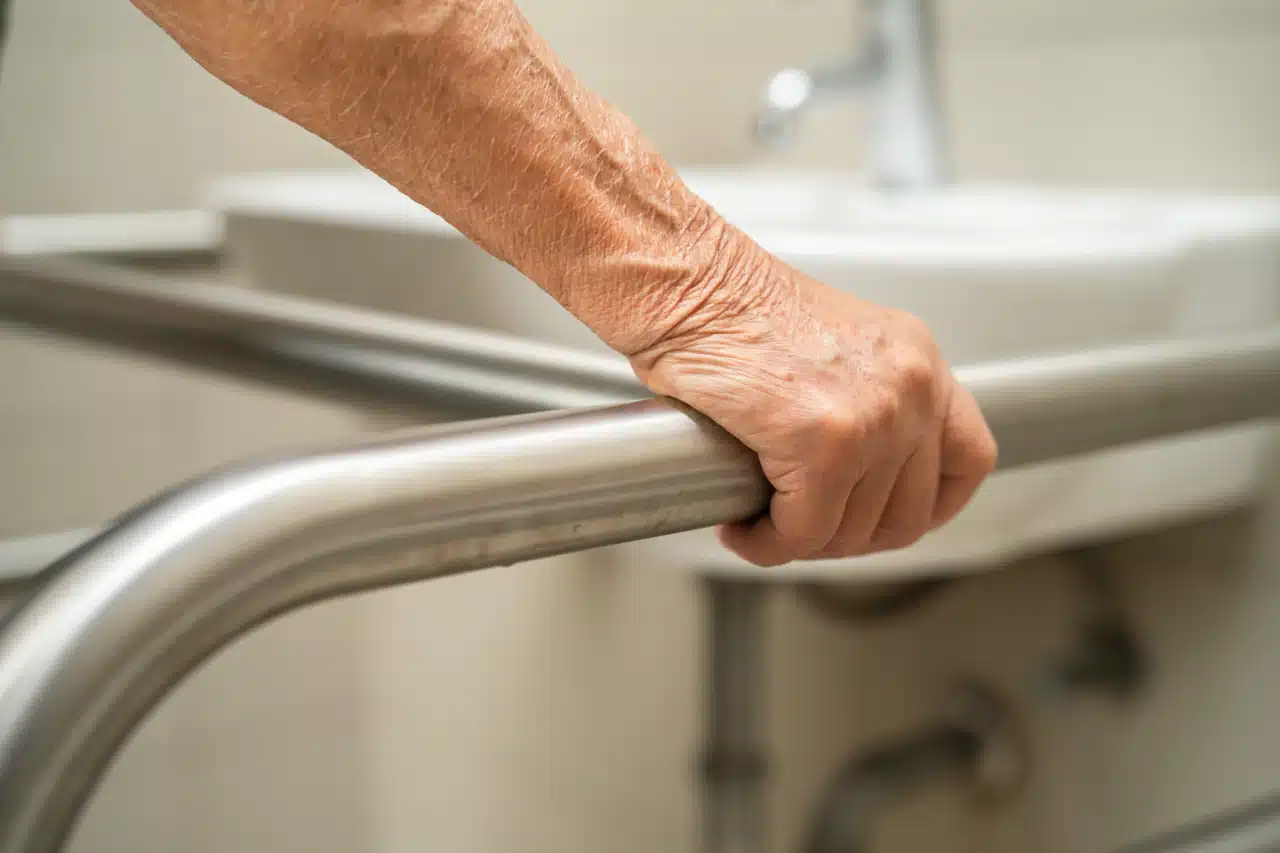
- Install grab bars near the shower, the bath and the toilet. Prefer anchoring into studs or certified fasteners.
- Place non-slip mats and strips in the shower and bath, as well as at the exit, and secure to the floor. Maintain effective drainage.
- Adequate lighting throughout the bathroom, particularly for low thresholds or walk-in showers.
Practical organization of the space
- Group all items (soaps, shampoos, washcloths and so on) within reach while seated.
- Clear spaces and the floor. Choose fixed non-slip mats. Plan for non-slip footwear.
- Provide a call system (a bell, or a waterproof phone if you live alone).
Choose a bath lift chair adapted to the user’s condition
- Dimensions and capacity: select according to your build and verify the load capacity.
- Stability: non-slip features. With armrests and backrest for balance.
- Ergonomics: adjustable height, openings for intimate hygiene, textured surface.
- Materials and maintenance: quality materials that allow easy, regular cleaning to prevent biofilms.
- Reliable, durable and safe system: like the Sécur-O-Bain bath lift chair that meets all these requirements.
Sources
- 2023 guidelines – Osteoporosis Canada (FR).
- Guideline update (CMAJ) – Canada, diagnosis and management.
- Federal report – Fractures related to osteoporosis (statistics and post-hip mortality).
- FRAX (tool and principles) – Website and Osteoporosis Canada page.
- Falls among seniors – Quebec (INSPQ).
- Fall surveillance – Public Health Agency of Canada.
- Cochrane – Reduction of environmental hazards (home).
- Local data Montréal – Locations of at-home falls.
- Clinical benefits of shower seats (technical clinical document).