
Summary
Summary
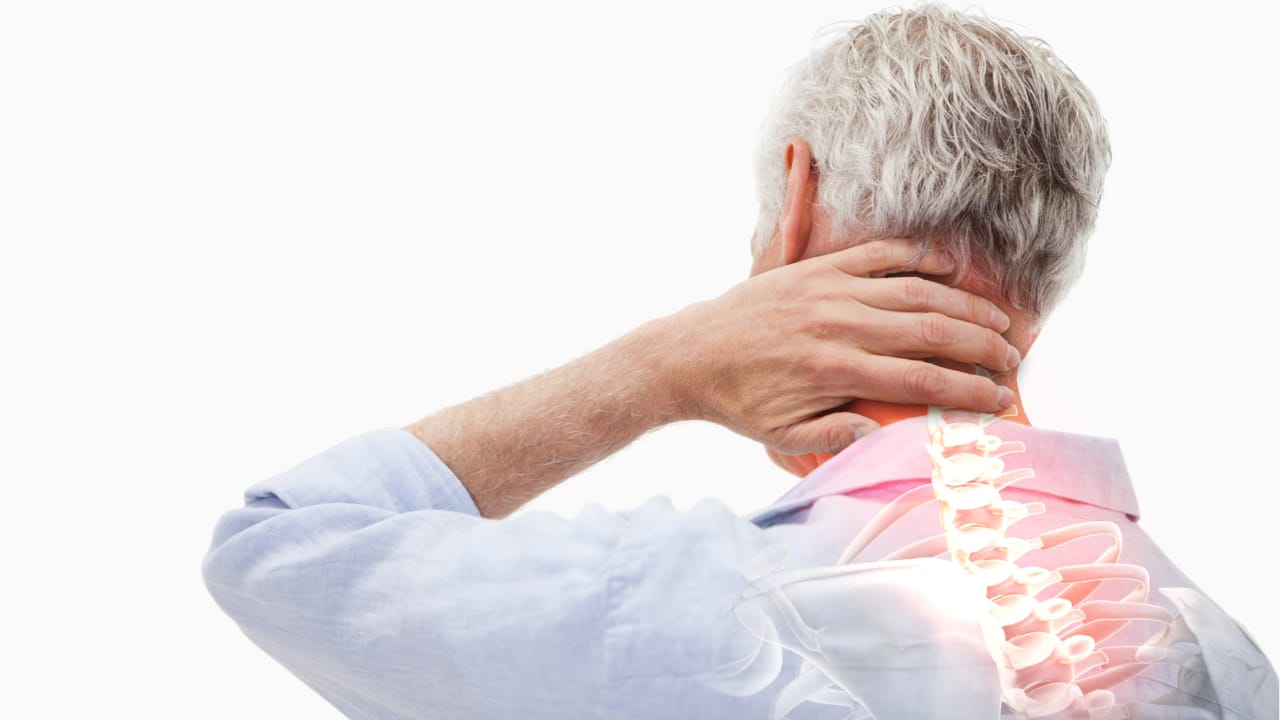
Pain lasting more than three months is no longer a symptom. It is a condition in its own right. By definition, chronic pain persists beyond the usual healing period. The causes of ongoing pain vary: joint pain linked to osteoarthritis, chronic muscle pain, neuropathic pain, or after-effects of an injury or surgery. Common symptoms include fatigue, disrupted sleep and reduced mobility, to the point that taking a bath becomes difficult. Here, we explain which treatments truly help and which home adaptations let you keep your independence as long as possible, safely.
What is chronic pain?
Chronic pain is defined as pain that persists for more than three months or beyond the normal healing window. It is now recognized as a disease in its own right.
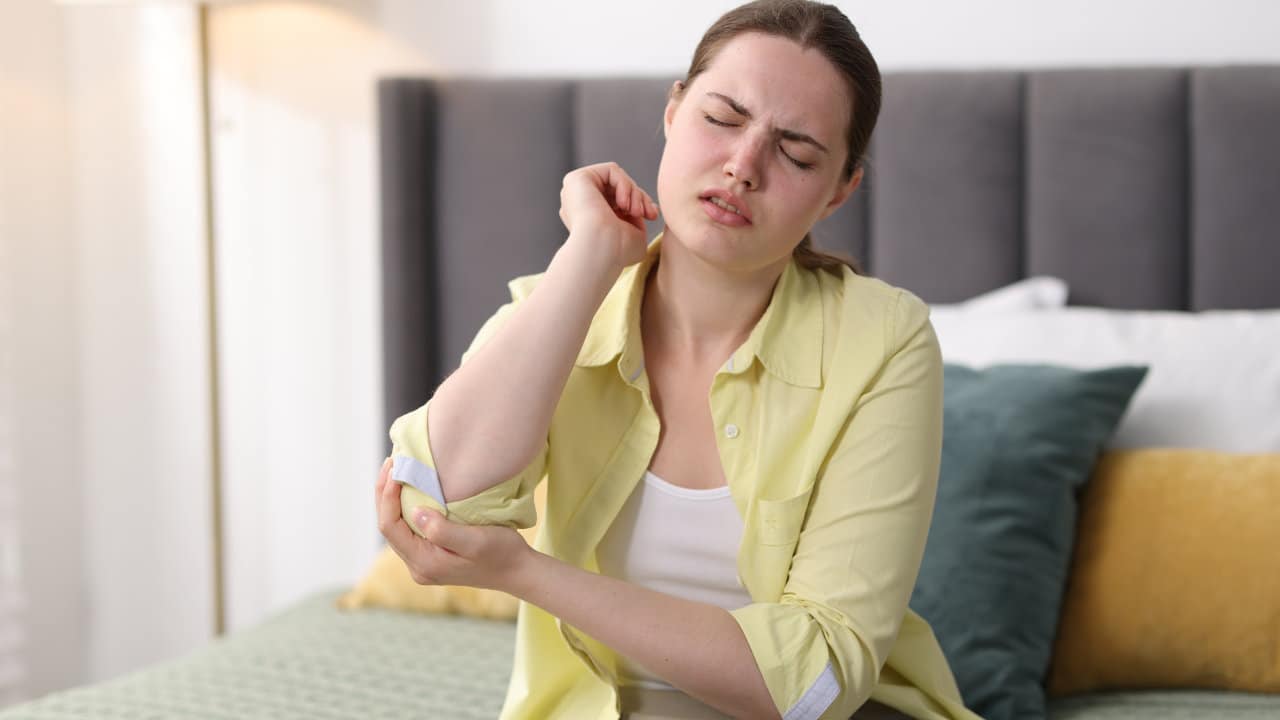
The difference from acute pain lies in its role. Acute pain is a useful alarm. It warns that a tissue is damaged and fades once healing is complete. Persistent pain, or chronic pain, continues even though the alarm no longer needs to sound.
When does pain become chronic?
Pain is considered chronic if it persists for more than three months. Past that point, pain no longer serves its warning function.
Chronic pain can ease, sometimes a great deal, but it rarely vanishes completely. The goal of treatment is to reduce intensity and let you resume your activities, not to erase pain entirely.
The different types of chronic pain
Joint pain comes from the joint itself, as in osteoarthritis. Chronic muscle pain affects muscles and soft tissues, as in fibromyalgia. Neuropathic pain stems from an injured nerve and is often described as burning, tingling or electric shocks. All these causes are sources of chronic pain.
Several types often overlap in the same person.
Why can pain persist even after healing?
The nervous system can become more sensitive after repeatedly transmitting pain signals. It is as if the volume stayed stuck on maximum. A light touch becomes painful, or pain appears without a clear trigger. Stress, among other things, can worsen this pain.
This phenomenon is called pain sensitization. The good news is that it can be retrained. Regular exercise, better sleep and stress management help bring that volume back toward normal.
What are the main causes of chronic pain?
Chronic pain seldom has a single origin. Several mechanisms add up.
Joint diseases (osteoarthritis, rheumatoid arthritis, etc.)
Osteoarthritis of the knee and hip osteoarthritis do cause chronic pain, and this is the most frequent cause. It affects 38% of Canadians aged 65 and older. Rheumatoid arthritis and gout are also in this category.
Muscle and low back pain
Back pain is among the most common reasons for consultation. Fibromyalgia is often accompanied by chronic, widespread muscle pain that causes fatigue and can disrupt sleep.
Neuropathic pain
A compressed or injured nerve sends faulty signals. Diabetes, shingles and a herniated disc are frequent causes.
After-effects of an injury or surgery
Surgery can lead to chronic pain, especially if a nerve was affected. A fracture or accident can leave pain long after tissues have healed.
Psychological and emotional factors
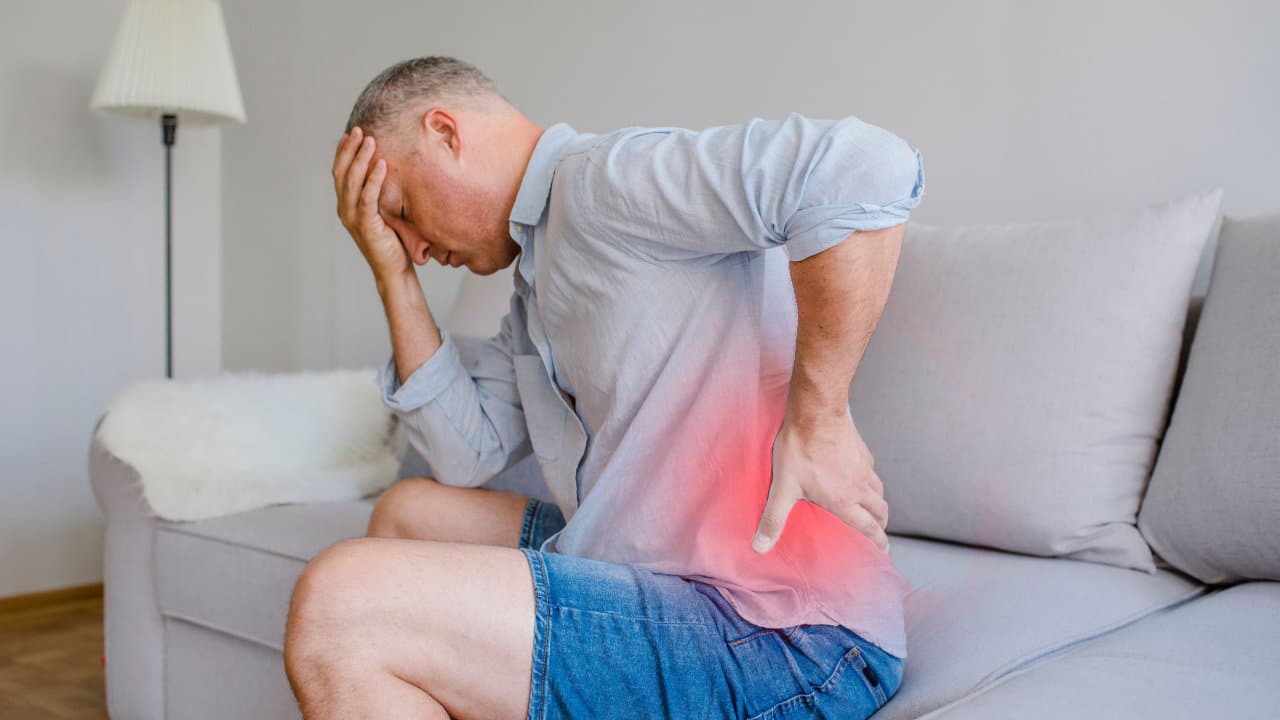
Stress aggravates chronic pain. It tightens muscles and makes the nervous system more reactive. Anxiety, depression and lack of sleep have the same effect, without making the pain imaginary.
In every case, a bath lift chair, like the one offered by Sécur-O-Bain, can help you avoid falls when you live with chronic pain. It also lets you continue taking a bath independently and safely, despite the pain. Warm water can even help soothe it.
Main causes and affected populations
| Cause | Pain type | Most affected population |
|---|---|---|
| Osteoarthritis | Joint | 65 and over, women |
| Rheumatoid arthritis | Joint, inflammatory | Women, from age 40 |
| Low back pain | Muscle | Active adults, physical jobs |
| Fibromyalgia | Widespread muscle pain | Women aged 30 to 60 |
| Diabetic neuropathy | Neuropathic | People with diabetes |
| Shingles | Neuropathic | Age 60 and over |
| After-effects of surgery | Mixed | All ages |
| Stress and mood disorders | Amplifier | All ages |
What are the most common symptoms?
Chronic pain can limit physical capacity and lead to loss of mobility, disturb sleep and have significant impacts on mental health and quality of life.
Persistent or recurring pain
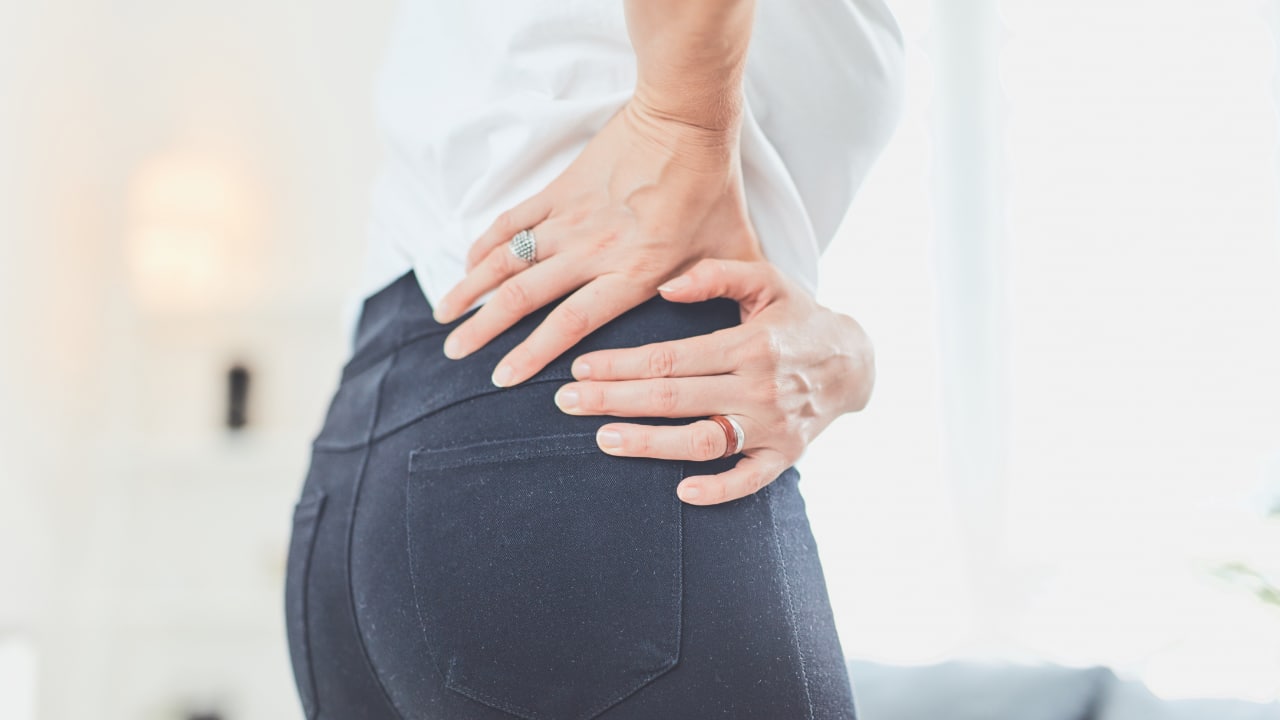
Daily pain occurs because the nervous system keeps sending signals even without an active injury. Pain remains in the background or comes in flares, without a clear link to effort.
Chronic fatigue and sleep problems
Pain prevents sleep, and lack of sleep lowers the pain threshold. The cycle sets in quickly. Deep fatigue follows, often more debilitating than the pain itself.
Loss of mobility and difficulties in daily activities
Mobility does decrease because of chronic pain. Avoiding painful movements weakens muscles and stiffens joints.
Getting dressed, climbing stairs, stepping into the bath. Everyday tasks become harder one after another. At that point, a bath lift chair, like the one offered by Sécur-O-Bain, can be a strong ally. It is one of the devices that helps you keep your independence as long as possible.
Impacts on mental health and quality of life
Anxiety and depression are more frequent among people with chronic pain, and, in turn, they amplify it. Social withdrawal often follows.
This is not a weakness. It is a documented effect of prolonged pain. Psychological support is part of treatment, not an admission of failure.
Physical, functional and psychological symptoms
| Physical | Functional | Psychological |
|---|---|---|
| Continuous or flare-up pain | Reduced walking | Anxiety |
| Joint stiffness | Stairs are difficult | Low mood |
| Muscle tension | Getting dressed is demanding | Irritability |
| Burning or tingling | Bathing has become risky | Difficulty concentrating |
| Profound fatigue | Limited household tasks | Social withdrawal |
| Disrupted sleep | Vicious cycle of pain and exhaustion | Discouragement, anxiety, depression |

Which treatments help you live better with chronic pain?
There is no single treatment for chronic pain that resolves everything. Current guidance favours a multidisciplinary approach that combines physical activity, medical treatments, physiotherapy and psychosocial support.
Medications and medical treatments
Start with acetaminophen, then use anti-inflammatories if your doctor considers them safe for you. Neuropathic pain responds poorly to common analgesics and requires medications that act on the nerve.
Physiotherapy and adapted physical activity
Staying active remains the best-supported treatment. Start small: walking, cycling, swimming, aquafit. Water supports your weight and eases joint load. A physiotherapist adjusts the plan to your tolerance.
Complementary approaches (occupational therapy, relaxation, psychological support)
An occupational therapist analyzes your day and recommends assistive devices that spare your joints. Relaxation and heat loosen muscles. A warm bath is one of the simplest ways to ease stiffness.
When getting in and out of the bathtub becomes hazardous, a bath lift chair, like the one designed by Sécur-O-Bain, becomes your best ally. It can also assist in helping a parent bathe.
The importance of self-management of pain
Living with chronic pain is a skill you can learn. Alternate demanding tasks with rest rather than waiting for a flare, break your activities into shorter blocks, and note what triggers your spikes.
Psychosocial support can also give you a solid boost if you are wondering how to live with chronic pain.
Treatment options, goals and benefits
| Option | Goal | Expected benefit |
|---|---|---|
| Analgesics and anti-inflammatories | Reduce pain intensity | Day-to-day relief |
| Nerve medications | Treat neuropathic pain | Less burning and fewer shocks |
| Physiotherapy | Restore strength and mobility | Easier movements |
| Adapted physical activity | Maintain muscles and joints | Less stiffness, better sleep |
| Occupational therapy | Adapt the home and tasks | Independence preserved |
| Relaxation and heat | Relax muscles | Lower tension and stress |
| Psychological support | Regain control over pain | Better quality of life |
| Self-management | Measure and pace effort | Fewer flare-ups |
How can you maintain independence despite chronic pain?
When you’re in pain every day, stopping everything is tempting. That is exactly what to avoid.

Adapt your activities without stopping movement
Lower intensity, not frequency. Ten minutes of walking twice a day is better than one hour followed by three days of rest.
Reduce effort during everyday tasks
Raise your seats, keep loads at waist level, replace round knobs with levers. A long-handled reacher prevents bending.
The riskiest rooms in your home
The bathroom ranks first, just after the bedroom, among places where seniors fall at home. In Quebec, one in three seniors living at home falls each year.
Assistive devices that make home life easier
An occupational therapist targets what you truly need. Grab bars, non-slip mats and a raised toilet seat cover most bathroom essentials.
Continuing to take a bath despite pain is possible. A bath lift chair, like the one offered by Sécur-O-Bain, removes the riskiest move, which is stepping over the rim on a slippery surface, whether you are getting in or out. The bath lift chair allows you to do so safely.
Recommended equipment by difficulty
| Difficulty | Equipment | Effect |
|---|---|---|
| Standing up from a chair | Seat riser | Less joint effort |
| Walking, unsteady balance | Cane or walker | Lighter load, stable support |
| Bending down | Long-handled reacher | Spared back and joints |
| Standing up from the toilet | Raised seat | Reduced flexion |
| Standing to wash | Shower seat | Seated bathing |
| Slipping in the bathtub | Non-slip mat | Lower risk of falls |
| Risky transfers | Grab bars | Solid handhold |
| Stepping over the tub | Sécur-O-Bain bath lift chair | Safe entry and exit |
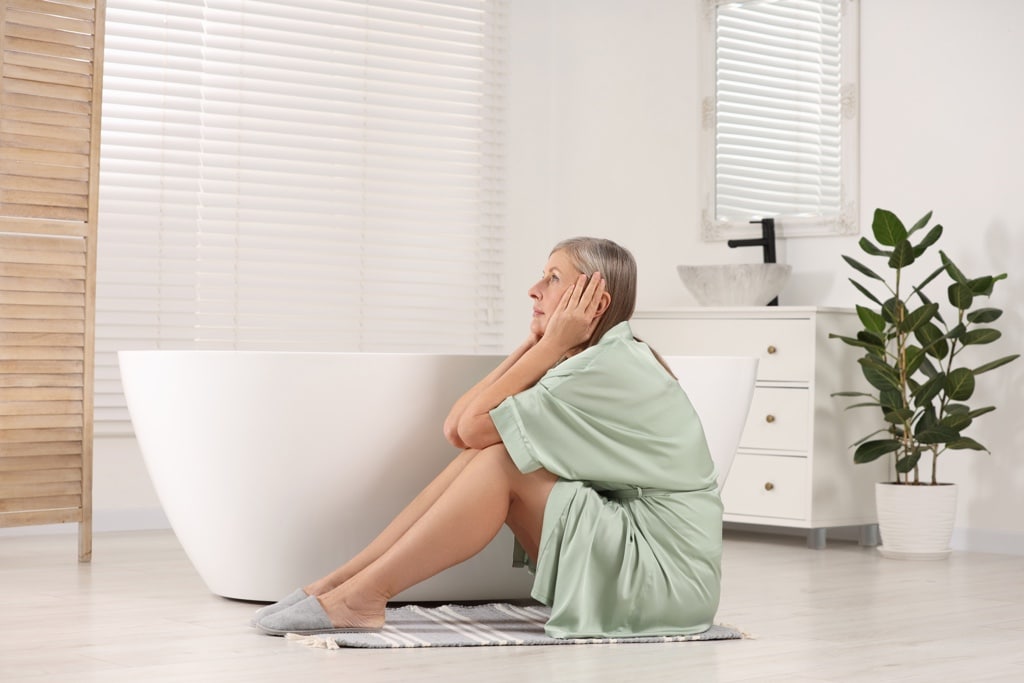
Why does bathing often become the most difficult activity?
No other daily activity combines as many risk factors: wet surfaces, lack of support, balance-demanding movements and the desire to maintain privacy.
Movements that place the greatest demand on the joints
Stepping over the bathtub rim requires lifting one leg while balancing on the other. Sitting at the bottom calls for deep hip and knee flexion. Standing up from a low, wet surface loads the joints exactly where the pain is.
These are three of the most demanding movements you perform in a day, strung together in just a few seconds.
Fall risks in the bathroom
The bathroom ranks just after the bedroom among locations of at-home falls in seniors. With chronic pain, balance becomes more uncertain and reflexes slower.
How does the Sécur-O-Bain chair make bathtub transfers easier
The Sécur-O-Bain bath lift removes all three risky movements. You sit at rim height, it lowers you into the water, then brings you back up. No stepping over, no deep flexion, no standing up from the bottom of the tub.
A solution to maintain your independence longer
A warm bath is often part of treatment. It relaxes muscles and eases stiffness. Giving it up for fear of falling means losing a tool for relief as well as a measure of privacy.
Sécur-O-Bain lets you continue bathing on your own, at home, for as long as possible.
Traditional bath versus bath with the Sécur-O-Bain chair
| Traditional bath | With the Sécur-O-Bain chair |
|---|---|
| Getting into the tub: Stepping over the rim while balancing | Sitting, no step-over |
| Lowering into the water: Full flexion, pushing on the arms | Powered descent |
| Sitting position: At the bottom of the bathtub | Supported seat with backrest |
| Getting out: Standing up from a low, wet position | Powered ascent |
| Fall risk: High | Greatly reduced |
| Help from a loved one: Often necessary | Generally not |
| Joint effort: Maximal | Minimal |
Frequently asked questions
What is chronic pain?
Pain that lasts more than three months or beyond the usual healing period. It is recognized as a disease in its own right, not just a simple symptom.
What are the main causes of chronic pain?
Osteoarthritis and other joint diseases come first, followed by back pain, fibromyalgia, neuropathic pain, and after-effects of an injury or surgery. Stress and poor sleep amplify them.
What are the symptoms of chronic pain?
Continuous or flare-up pain, profound fatigue, fragmented sleep, declining mobility and frequent effects on mood.
How is chronic pain treated?
With a multidisciplinary approach: adapted physical activity, physiotherapy, medications tailored to the pain type, occupational therapy and psychological support as needed. None of these elements is sufficient on its own.
How can I keep taking a bath when I live with chronic pain?
Remove risky movements. A bath lift chair, like the one offered by Sécur-O-Bain, lets you get in and out of the tub safely, without stepping over the rim or standing up from the inside the bath.