
Summary
- Summary
- What is knee osteoarthritis (gonarthrosis)?
- What are the main causes of knee osteoarthritis?
- What are the first symptoms to recognize?
- How does knee osteoarthritis progress if it is not managed?
- Can you slow the progression of osteoarthritis?
- How to preserve your independence despite osteoarthritis of the knee
- Discover the Sécur-O-Bain chair to make staying at home easier
- FAQ
- Summary
- What is knee osteoarthritis (gonarthrosis)?
- What are the main causes of knee osteoarthritis?
- What are the first symptoms to recognize?
- How does knee osteoarthritis progress if it is not managed?
- Can you slow the progression of osteoarthritis?
- How to preserve your independence despite osteoarthritis of the knee
- Discover the Sécur-O-Bain chair to make staying at home easier
- FAQ
Summary
You climb the stairs and your knee makes you pay? That is often how osteoarthritis of the knee, also called gonarthrosis, shows up the first time. The cause? The cartilage wears out faster than your body can repair it.
In Canada, nearly 4 out of 10 people aged 65 and over live with osteoarthritis, and the knee is the joint that hurts the most often. Here we explain the causes of knee osteoarthritis, the symptoms you should not ignore and the steps that help you remain independent.
What is knee osteoarthritis (gonarthrosis)?
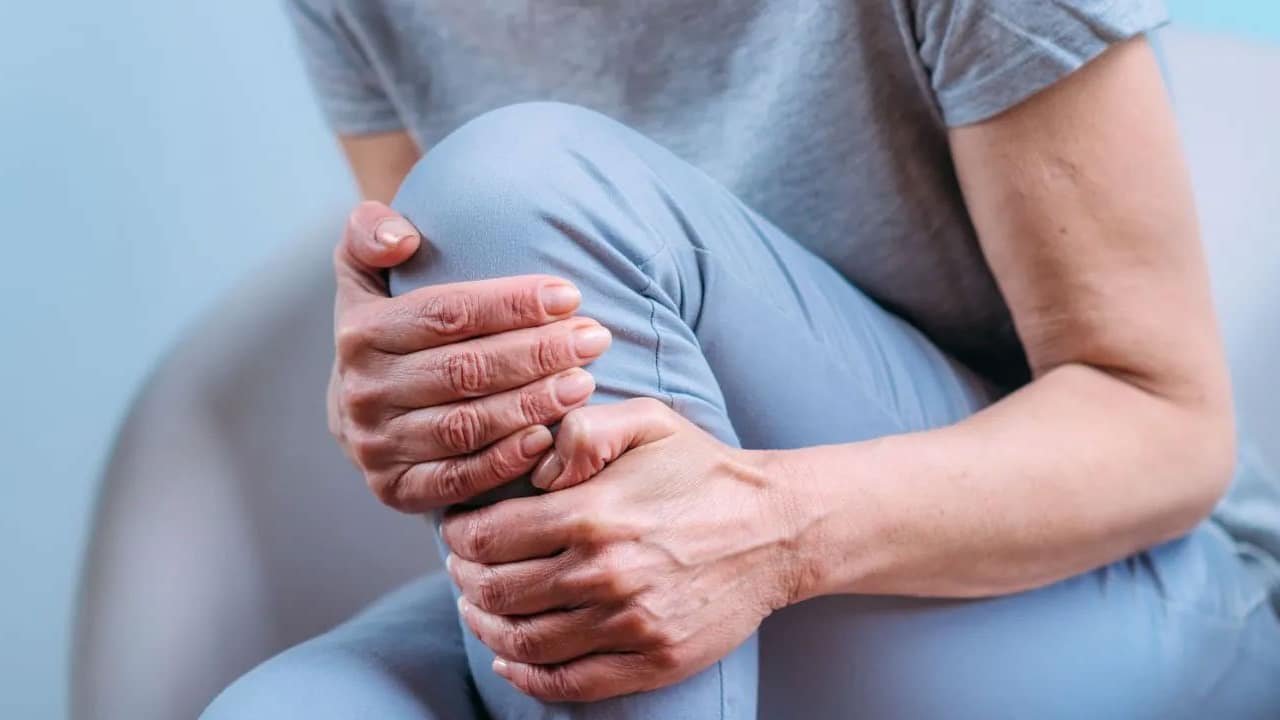
Knee osteoarthritis, or gonarthrosis, is the wear of the cartilage that covers the bones in your knee. This cartilage cushions impacts and lets the bones glide without rubbing. When it thins, the knee becomes painful and stiff.
What is the difference between osteoarthritis and arthritis? Arthritis is the general term that covers more than one hundred joint diseases. Osteoarthritis is the most common form.
How cartilage wears down progressively
Your body repairs joints every day. Cartilage wear occurs when repair can no longer keep up.
For a long time, people believed osteoarthritis was normal wear from aging. However, it often stems from cartilage that has been damaged by abnormal loads or an injury. Excess weight can also lead to osteoarthritis of the knee.
Why the knee is one of the most affected joints
Unlike osteoarthritis of the hip, your knee bears your full weight with every step, and even more on stairs. It is also less protected than the hip: muscles and ligaments stabilize it.
Who is most at risk?
At what age can you develop osteoarthritis of the knee? There is no exact starting age, the risk rises over time. In Canada, diagnosed osteoarthritis affects 3.6% of people aged 40 to 44, 10.2% of those aged 50 to 54 and 21.8% of those aged 60 to 64.
You can therefore have osteoarthritis pain in the knees in your 40s or 50s, especially after a sports injury. As statistics show, osteoarthritis is even more common among older adults. Women are also more affected than men.
What are the main causes of knee osteoarthritis?
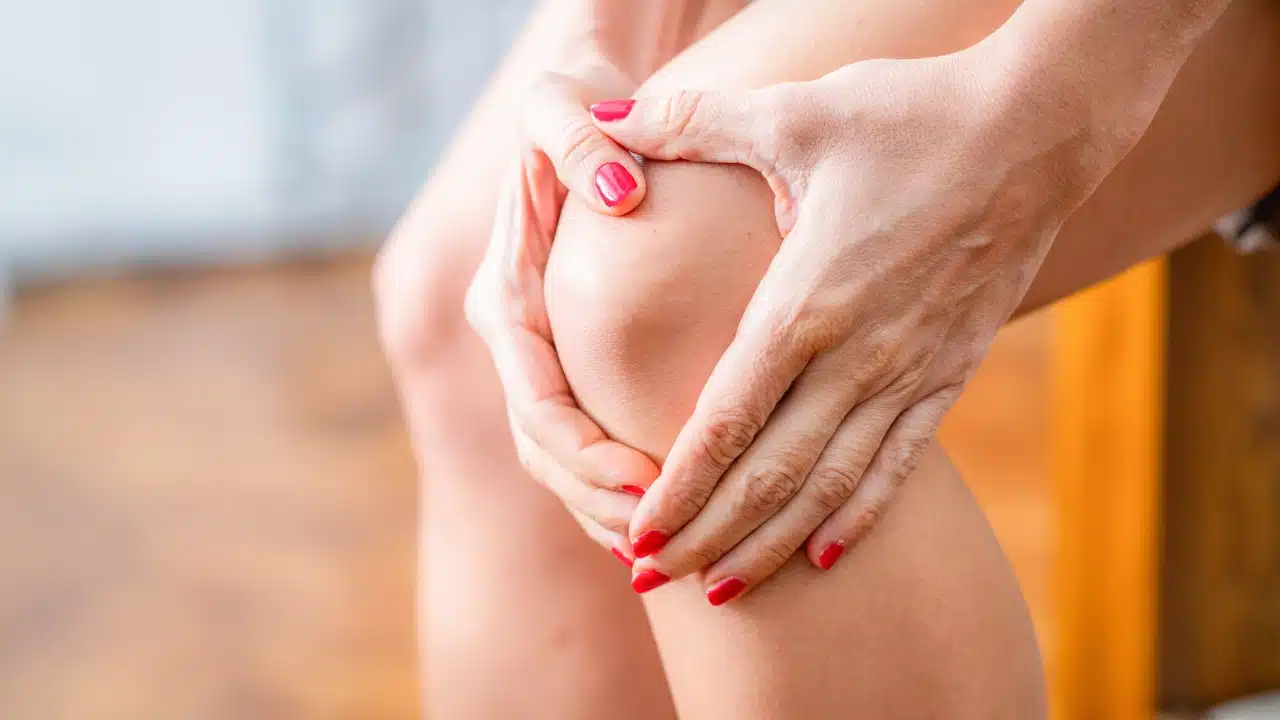
There is never a single cause. Several factors add up and gradually weaken the cartilage over time.
The natural aging process
Risk increases with age: cartilage repairs itself more slowly than at 30. But aging does not automatically lead to knee osteoarthritis. Many people reach 80 without symptoms.
Excess weight and joint overload
Excess weight can also lead to knee osteoarthritis. Every extra pound adds to the load the knee absorbs with each step. Fat tissue also maintains inflammation within the joint.
Past injuries and trauma
An old injury can indeed provoke osteoarthritis, sometimes twenty years later. A torn ligament, a damaged meniscus, a fracture: the joint rarely regains its original alignment completely.
Genetic and biomechanical factors
Heredity plays a role, without being decisive: having a parent affected increases the risk, not the certainty. Bow legs, a poorly aligned kneecap or weak thigh muscles also place uneven pressure on the cartilage.
Does practicing sports wear out the knees? Moderate activity protects your knees rather than wearing them out. Repeated impacts and injuries are what lead to osteoarthritis of the knee.
Key risk factors for knee osteoarthritis
| Factor | Effect on the knee | Modifiable |
|---|---|---|
| Age | Slower cartilage repair | No |
| Female sex | Higher risk after menopause | No |
| Heredity | Family predisposition | No |
| Excess weight | Increased load and inflammation | Yes |
| Previous injury | Altered alignment and stability | No, but preventable |
| Muscle weakness | Knee less well supported | Yes |
| Physically demanding job | Repeated squats and heavy loads | Partly |
| Sedentary lifestyle | Weakened muscles, less nourished cartilage | Yes |
What are the first symptoms to recognize?
What are the early symptoms of knee osteoarthritis? They set in gradually, in episodes, which explains why they are often attributed to fatigue. Pain usually appears during activity, eases at rest and often comes with brief morning stiffness.
When pain limits your movements, there are solutions that can help in certain situations, such as bath-lift chairs, like the one offered by Sécur-O-Bain, which makes getting in and out of the tub easier. It is a very useful tool for helping a parent bathe, or for allowing you to remain independent as long as possible.
Pain when walking or climbing stairs
If you feel pain when climbing stairs, it is because stepping up requires a strong effort from the thigh muscle, and that effort compresses the knee, which also supports your weight. That is often where knee pain appears first.
Stiffness on waking or after a period of inactivity
Knee stiffness is noticeable when you get up, or after a long car ride. Pain caused by knee osteoarthritis usually subsides with rest.
Crackling and reduced range of motion
Why does my knee crack? Because thinned cartilage does not glide as well: the surfaces rub and produce a sharp sound or a grinding sensation. On its own, a crack is not alarming.
Over time, the knee bends less and can sometimes feel like it is giving way.
Symptoms that should lead to a consultation
How do you recognize knee osteoarthritis? Here are signs of chronic pain in the knee that justify an appointment:
- Pain present for more than six weeks
- Morning stiffness lasting more than 30 minutes
- Swollen, warm or red knee
- Sensation of instability or locking
- Pain that wakes you at night
Early symptoms and advanced symptoms
| Early symptoms | Advanced symptoms | |
|---|---|---|
| Pain | With effort, disappears when resting | Present at rest and at night |
| Stiffness | A few minutes upon waking | Longer and more frequent |
| Walking | Stairs and long distances | Short distances are difficult |
| Range of motion | Slightly reduced | Knee that does not bend well |
| Swelling | Occasional | Frequent |
| Independence | Everyday actions are slowed down | Bathing and dressing are complicated |
How does knee osteoarthritis progress if it is not managed?
Knee osteoarthritis progresses slowly over years. Without management, episodes become less spaced out and eventually settle in.
Impacts on mobility
Walking shorter distances, avoiding stairs. Less movement weakens the thigh muscles, and a less supported knee becomes more painful. The cycle begins.
Difficulties in daily activities
Standing up from a chair, kneeling, stepping over the edge of the bathtub: simple actions require support. The risk of falling increases. At that point, a bath lift seat, like the one offered by Sécur-O-Bain, becomes a safe alternative.
Consequences for quality of life
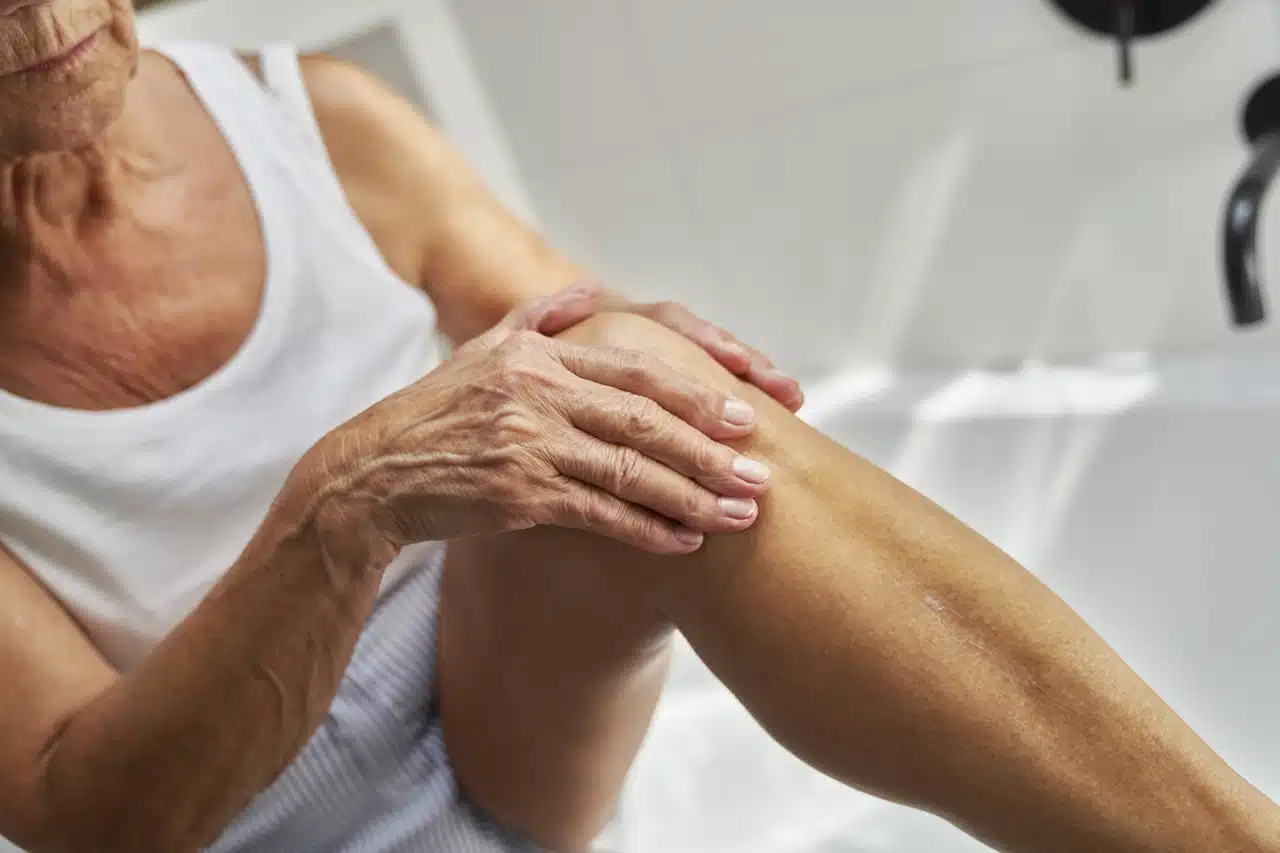
At an advanced stage, osteoarthritis of the knee can disturb sleep. Fatigue, low mood and withdrawal often follow.
Progression of knee osteoarthritis
| Stage | What you feel |
|---|---|
| Onset | Occasional pain after effort, brief stiffness upon waking |
| Establishment | Pain while walking and on stairs, crackling, more frequent episodes |
| Progression | Daily pain, knee bends less, swelling |
| Advanced stage | Pain at rest and at night, reduced mobility, help needed for bathing |
Can you slow the progression of osteoarthritis?
Yes. We cannot reverse cartilage wear, but we can act on pain and function.
The importance of adapted physical activity
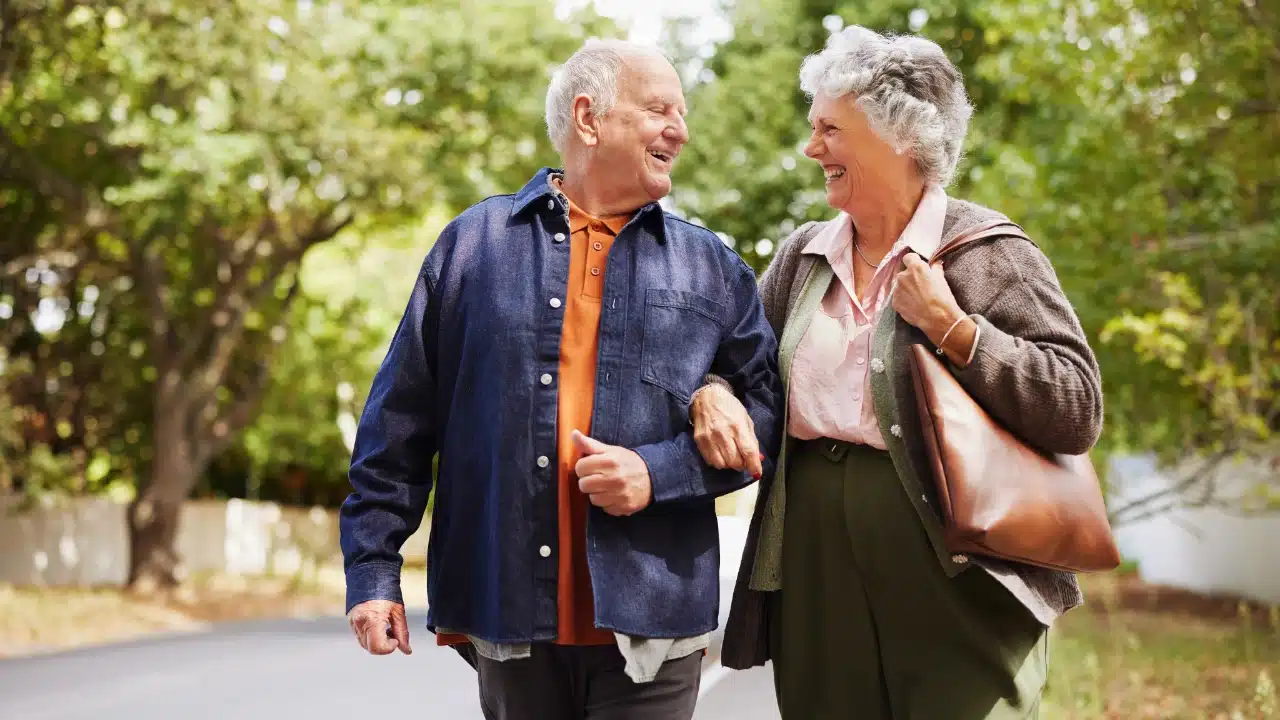
Contrary to what you might think, a painful knee still needs movement. Inactivity weakens muscles and increases pain. Aim for low-impact activities: walking, cycling, swimming and aqua fitness.
Strengthening the muscles around the knee
Strong thighs support the joint and absorb part of the load. Strengthening the quadriceps and hamstrings is specifically recommended for osteoarthritis of the knee.
Weight management
Losing as little as 10% of your body weight can reduce pressure on the knees, decrease pain and delay surgery.
Recommended treatments and approaches
Acetaminophen, topical or oral anti-inflammatories and cortisone injections can be used if recommended by your doctor. Physiotherapy and occupational therapy generally complete the plan.
Care options by stage
| Stage | Preferred approaches |
|---|---|
| Onset | Exercise, strengthening, weight management, education |
| Establishment | Physiotherapy, supervised program, analgesics as needed |
| Progression | Occupational therapy, assistive devices, injections, home adaptations |
| Advanced stage | Orthopedic assessment, home support equipment |
How to preserve your independence despite osteoarthritis of the knee
Adapting your environment spares your knee without taking away your independence.
Everyday actions to adjust
One good habit to adopt is to raise your seats. The lower the seat, the more the knee works to lift you. Avoid kneeling and squatting. Use a long-handled reacher instead of bending over.
Why the bathroom often becomes a challenge
Wet surfaces, lack of handholds and the bathtub rim to step over: the room accumulates challenges. It is also one of the places where seniors fall most often at home, after the bedroom.
A bath lift chair, like the one offered by Sécur-O-Bain, is an effective solution that ensures your safety and simplifies getting in and out of the bathtub.
Equipment that reduces fall risk
Securely fastened grab bars, a non-slip mat, a raised toilet seat and a bath chair cover the essentials. An occupational therapist can assess your home and recommend what suits your situation.
How a bath chair can ease transfers and bathing
The most demanding action is getting into and out of the bath: stepping over the rim, sitting at the bottom, then standing up. With osteoarthritis of the knee, each of these steps stresses the joint exactly where it hurts.
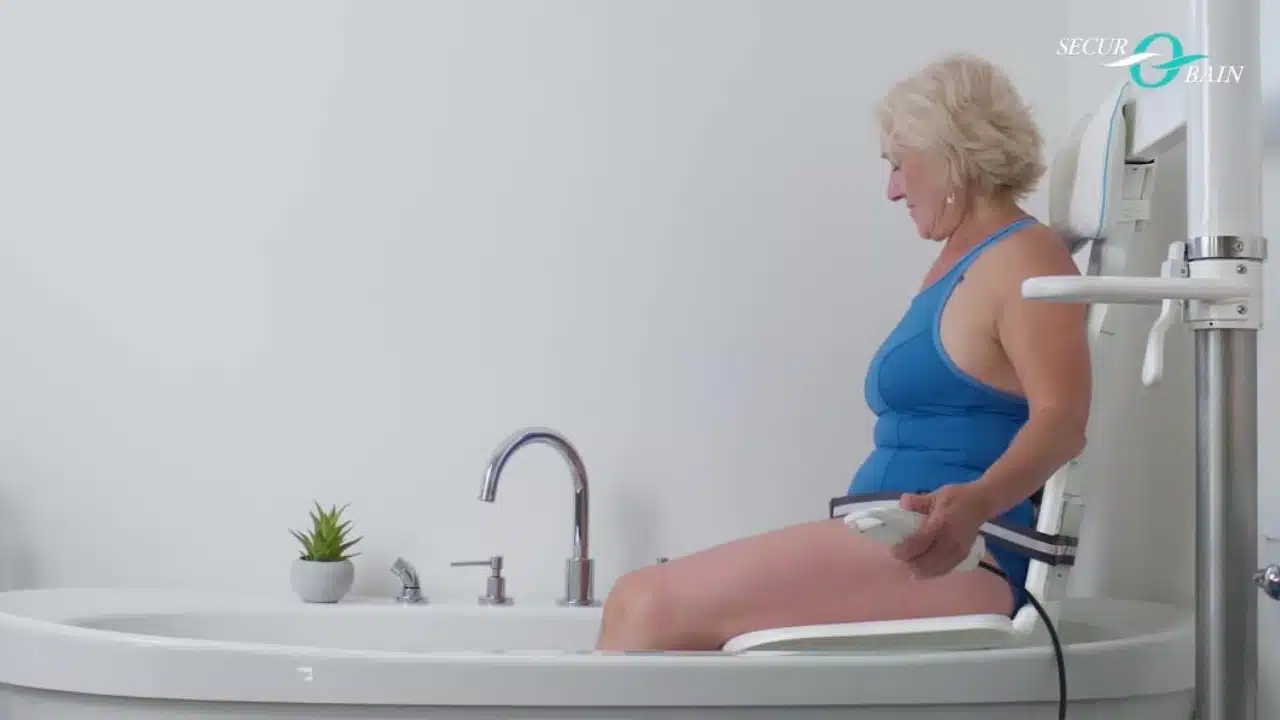
A lift chair lowers you into the water and raises you back up without effort. You remain seated, the knee does not bend under your weight, and you keep all the benefits of a warm bath to ease stiffness.
Recommended equipment to make the bathroom safer
| Equipment | What it provides | Useful when |
|---|---|---|
| Grab bars | Stable handhold for transfers | From the first symptoms |
| Non-slip mat | Reduces the risk of slipping | As prevention |
| Raised toilet seat | Less knee flexion | Difficulty standing up |
| Transfer bench | Seated passage over the rim | Stepping over is difficult |
| Shower seat | Bathing while seated | Standing is tiring |
| Bath lift chair | Motorized lowering and raising in the bath | A bath alone has become impossible |
Discover the Sécur-O-Bain chair to make staying at home easier
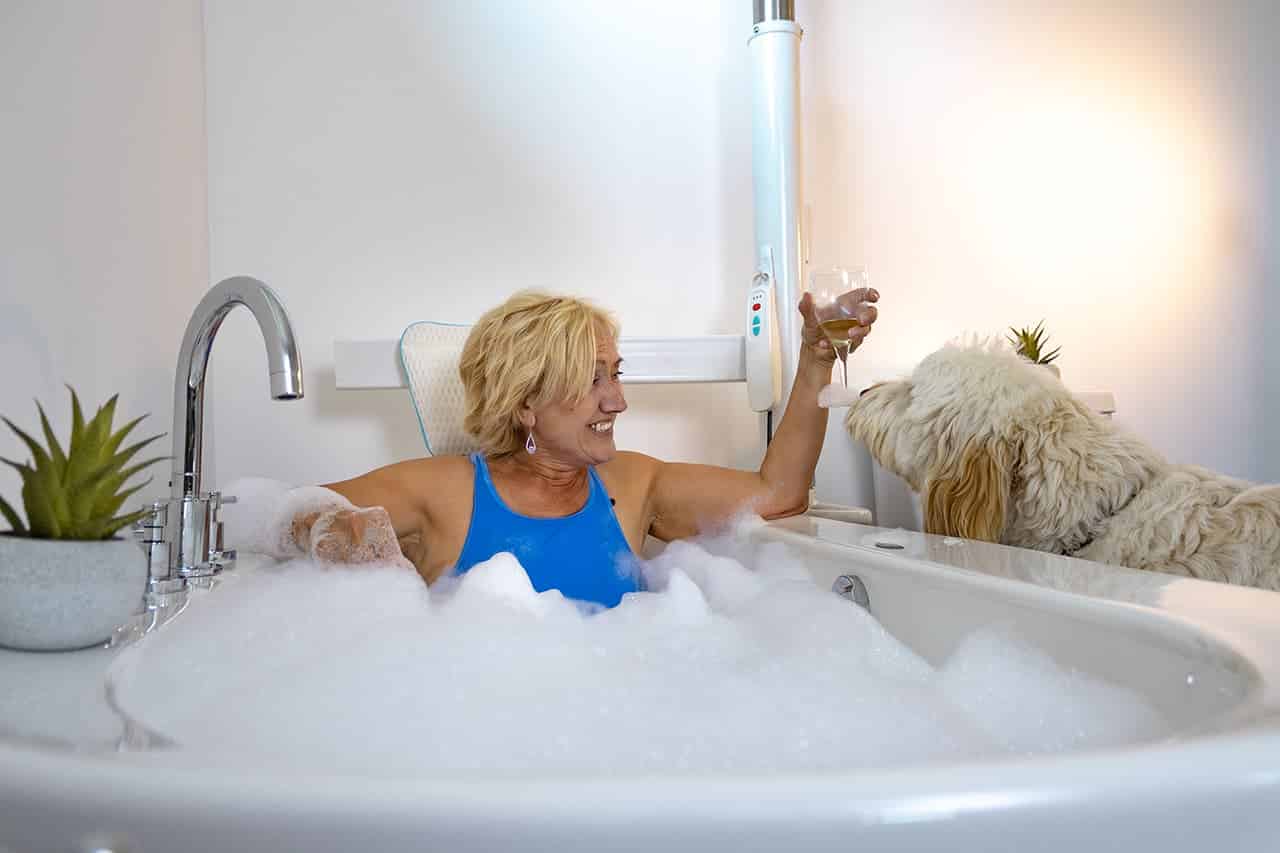
Designed and manufactured in Quebec, the Sécur-O-Bain lift chair lowers you into the bath and brings you back up without the knee having to bear your weight.
It can be installed in under two hours in a conventional bathroom, with no renovation or plumbing changes required. Ask for your free quote. Our team supports you from model selection through to after-sales service.
FAQ
What are the first symptoms of knee osteoarthritis?
Pain when walking or on stairs that eases with rest, brief stiffness on waking and crackling. Episodes come and go at the beginning.
What are the main causes of knee osteoarthritis?
Age, excess weight, a previous injury, heredity and poor knee alignment. These factors add up rather than acting alone.
How do I know if I have knee osteoarthritis?
After 40, doctors often make the diagnosis through a clinical exam, without imaging. Consult if pain persists beyond six weeks or if morning stiffness lasts more than 30 minutes.
Can you slow the progression of knee osteoarthritis?
Yes. Adapted exercise, thigh strengthening and weight loss reduce pain and preserve function. Losing 10% of your body weight can make a measurable difference.
How can bathing be made easier when you have knee osteoarthritis?
Grab bars, a non-slip mat and a suitable seat make the room safer. When getting in and out of the bath becomes too demanding, a lift chair does the work for you.