
Summary
- Summary
- What is hip osteoarthritis (coxarthrosis)?
- What causes hip osteoarthritis?
- What are the symptoms of osteoarthritis of the hip?
- Which treatments help slow the progression of the disease?
- How to preserve your independence despite hip osteoarthritis?
- How the Sécur-O-Bain chair makes bathing safe
- Frequently asked questions
- Summary
- What is hip osteoarthritis (coxarthrosis)?
- What causes hip osteoarthritis?
- What are the symptoms of osteoarthritis of the hip?
- Which treatments help slow the progression of the disease?
- How to preserve your independence despite hip osteoarthritis?
- How the Sécur-O-Bain chair makes bathing safe
- Frequently asked questions
Summary
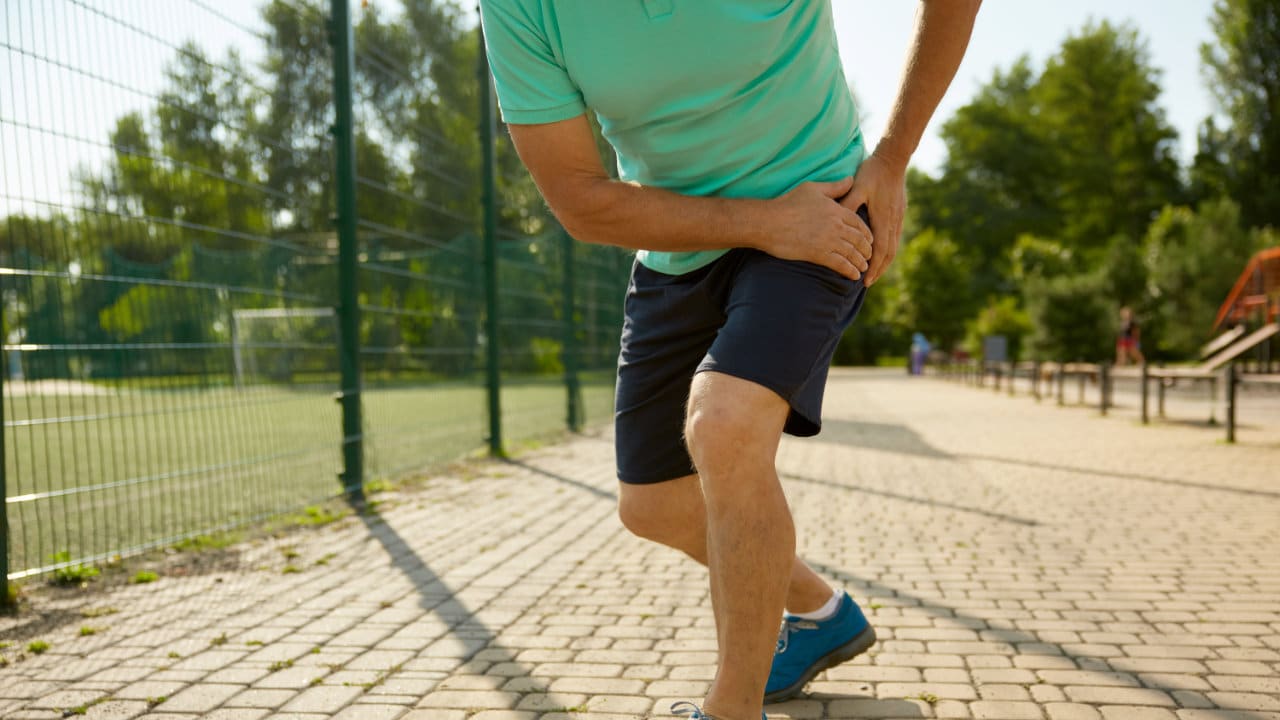
You get up in the morning and the first thing you notice are your hips? That is often how hip osteoarthritis, or coxarthrosis, begins. The cartilage in the joint wears down, and the weight-bearing joint becomes stiff and painful. Here we explain hip osteoarthritis and the symptoms to watch for, exercises to help ease pain, and home adaptations that let you keep your independence as long as possible, safely.
What is hip osteoarthritis (coxarthrosis)?
The medical name for hip osteoarthritis is coxarthrosis. It is progressive wear of the cartilage in the hip joint, the coxofemoral joint that connects the femur to the pelvis, which then affects other structures in the joint.
The difference between hip osteoarthritis and muscle aches often lies in how long it lasts. A muscle ache appears after exertion and settles within a few days. Hip pain linked to osteoarthritis comes back every time you walk, sets in over months, and is accompanied by stiffness when getting up.
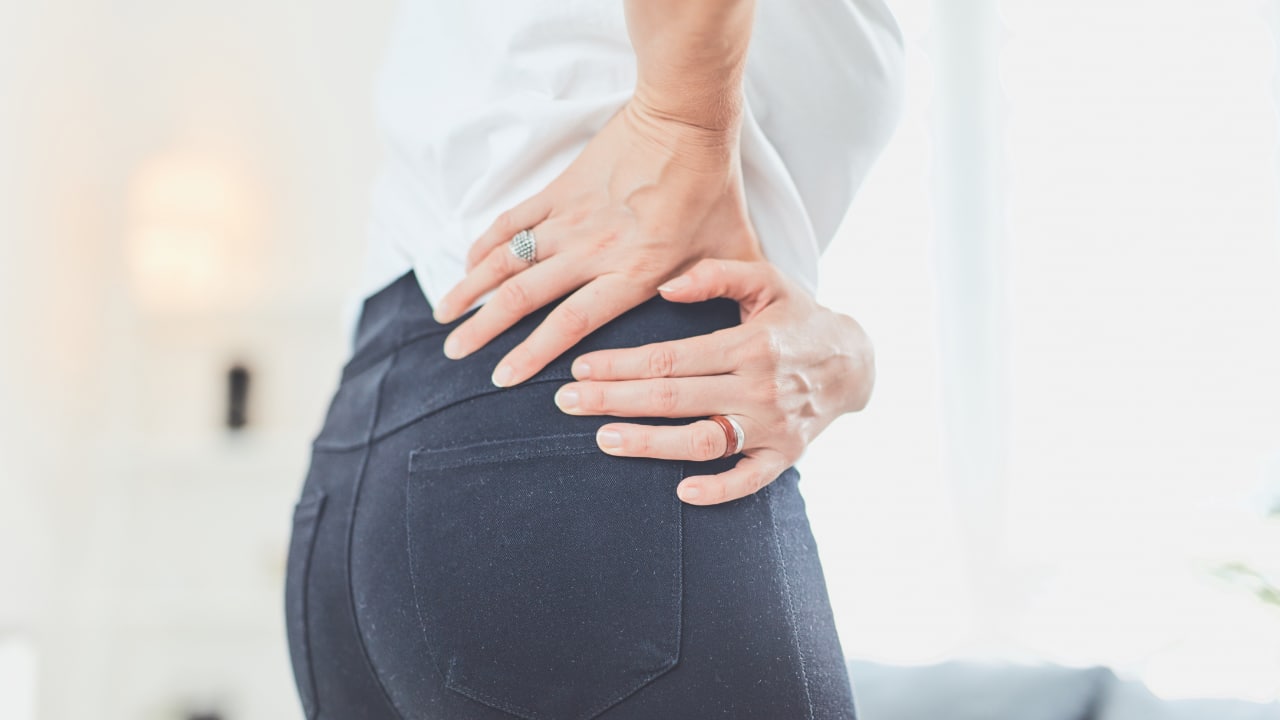
How hip cartilage wears down gradually
Cartilage lines the head of the femur and the socket of the pelvis. It lets the joint pivot without rubbing.
When the body no longer repairs this cartilage as quickly as it wears, it thins. The bone underneath changes, and the joint loses flexibility.
Why this joint is essential to mobility
Your hip bears your weight and pivots in all directions. With every step, and every time you sit down or stand up, it is at work.
Unlike osteoarthritis of the knee, it is deep: swelling is not visible. Diagnosis therefore relies on the clinical exam.
Who is most at risk of developing coxarthrosis?
There is no set age to develop hip osteoarthritis, but risk rises after 50. In Canada, diagnosed osteoarthritis affects 10.2% of people aged 50 to 54 and 28.1% of those aged 65 to 69. Women are more often affected.
A hip that was malformed at birth, a previous injury, or excess weight also increase risk.
Can hip osteoarthritis affect both hips? Yes. Pain in the right hip can precede pain in the left hip by several years, and involvement often remains asymmetrical.
What causes hip osteoarthritis?
There is rarely a single cause. Several factors add up and weaken the cartilage.
Natural aging
Cartilage repairs itself more slowly with age. But getting older does not necessarily lead to hip pain or other chronic pain. Many people never develop it.
Genetic and anatomic factors
Heredity increases susceptibility without being a life sentence. A malformed hip at birth, dysplasia, or a shorter leg distributes load poorly on the cartilage, which wears unevenly.
Injuries and trauma
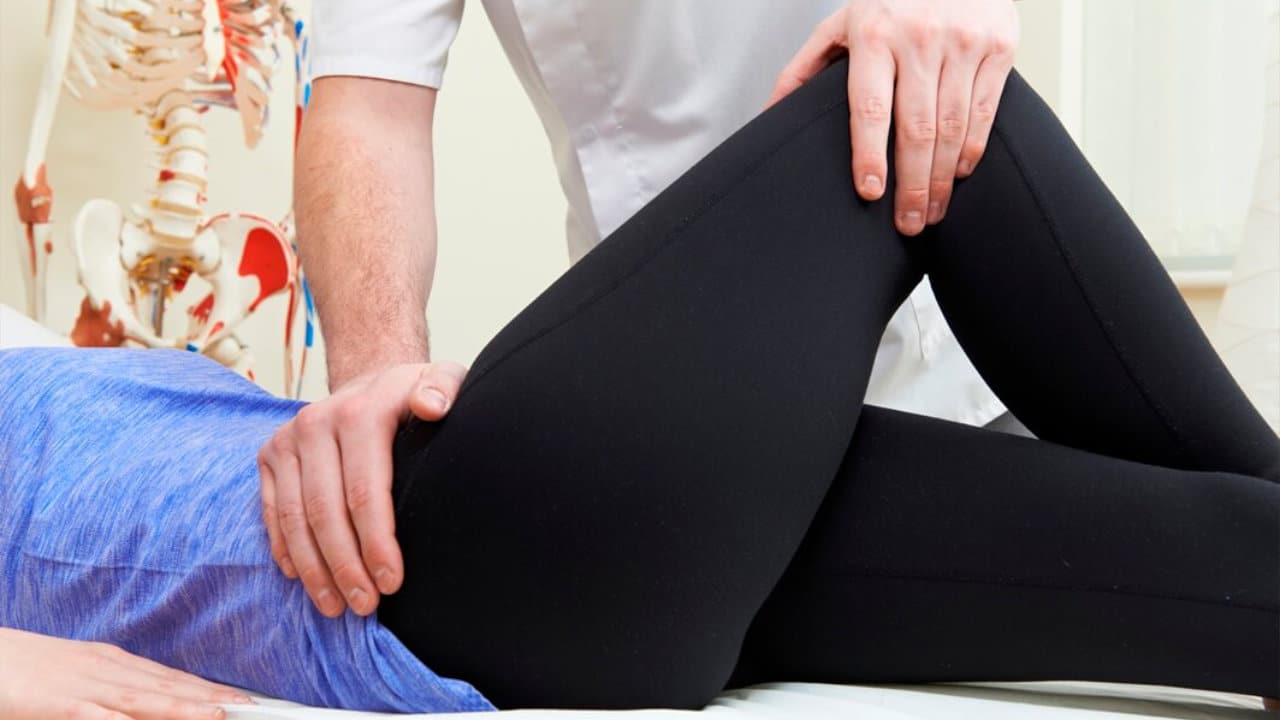
A fracture, a dislocation, or a labral tear leaves the joint less stable. Hip osteoarthritis can appear years later.
Excess weight and joint overload
Excess weight can also promote hip osteoarthritis. Each extra pound adds to the load the joint absorbs with every step, and fat tissue perpetuates inflammation.
Certain jobs also take a toll: lifting loads, repeated squatting, and long hours standing.
Key risk factors
| Factor | Effect on the hip | Modifiable |
|---|---|---|
| Age | Cartilage repairs more slowly | No |
| Female sex | Higher risk | No |
| Heredity | Family predisposition | No |
| Hip shape | Load distributed poorly on the cartilage | No |
| Previous injury | Reduced joint stability | No, but avoidable |
| Excess weight | Increased load and inflammation | Yes |
| Muscle weakness | Hip less well supported | Yes |
| Physically demanding job | Repeated lifting and squatting | Partially |
What are the symptoms of osteoarthritis of the hip?
The first symptoms of hip osteoarthritis often appear as pain when walking or on stairs. Mobility then gradually decreases, sometimes with a limp and difficulty getting dressed or getting out of a car.
Groin, buttock, or thigh pain
Why does my groin hurt when I walk? Because the groin is where hip osteoarthritis is most often felt. The ache can also be in the buttocks or down the front of the thigh.
Hip osteoarthritis can even sometimes cause knee pain, which often surprises people. Pain can reach a knee that has no osteoarthritis.
Difficulty walking and climbing stairs
Climbing stairs with hip osteoarthritis becomes difficult because each step requires flexing the hip under load, which is the motion the joint tolerates least.
On level ground, strides become shorter and your footing less steady. A limp sets in without you noticing.
Loss of mobility and morning stiffness
Hip pain comes with stiffness when getting up or after sitting for a long time. It usually eases in less than 30 minutes.
The hip rotates less well. Crossing your legs, cutting your toenails, and putting on shoes become balancing acts.
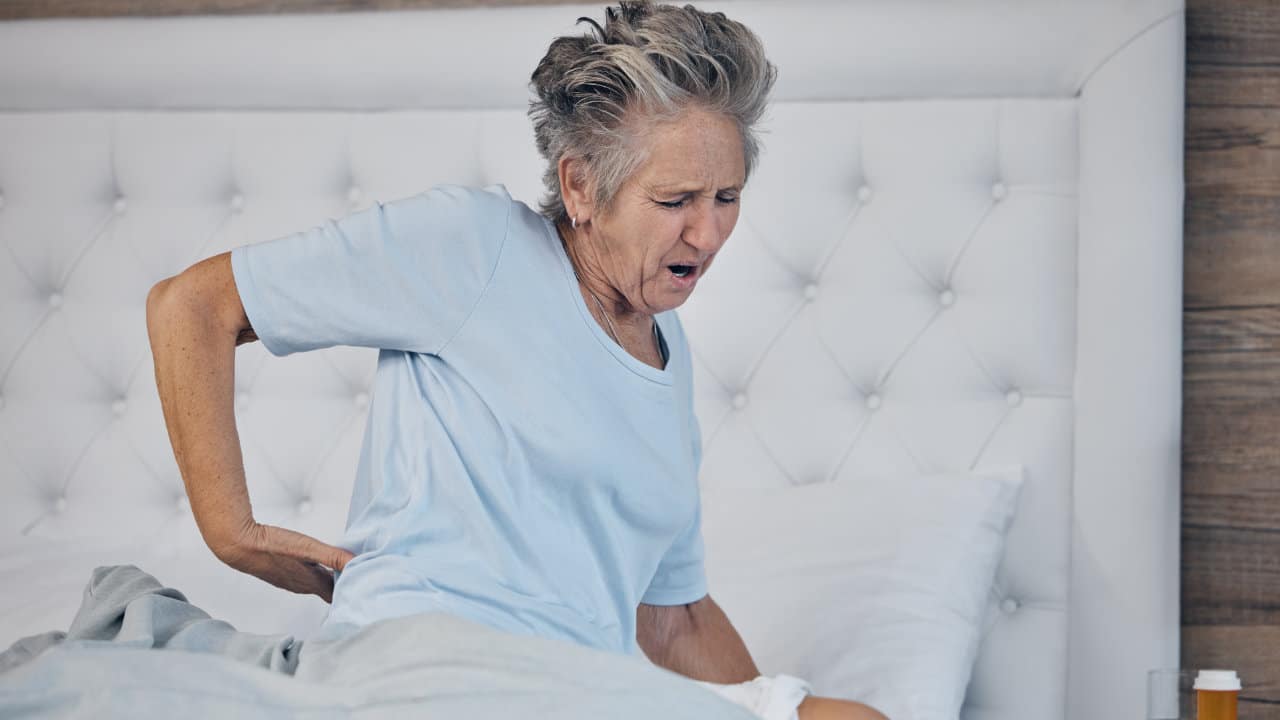
This is precisely when a bath lift chair, like the one offered by Sécur-O-Bain, can help you get in and out of the bathtub more easily and safely. It can also help you assist a parent in bathing.
Signs that should lead to a consultation
- Groin or buttock pain for more than six weeks
- Morning stiffness that often lasts more than 30 minutes
- Limp, even mild
- Difficulty getting out of the car or getting dressed
- Pain that wakes you at night
Early symptoms and advanced symptoms
| Early symptoms | Advanced symptoms | |
|---|---|---|
| Pain | With walking, eases with rest | Present at rest and at night |
| Location | Groin or buttock | Groin, thigh, sometimes knee |
| Stiffness | A few minutes on getting up | Longer and more frequent |
| Walking | Stairs and long distances | Short distances, limp |
| Mobility | Slightly limited rotation | Dressing and putting on shoes are difficult |
| Independence | Tasks slow down | Bathing and transfers become risky |
Which treatments help slow the progression of the disease?
There is no curative treatment, but exercise, rehabilitation, weight loss and medications can help reduce symptoms and preserve mobility. In some cases, surgery is necessary.
Physical activity and physiotherapy
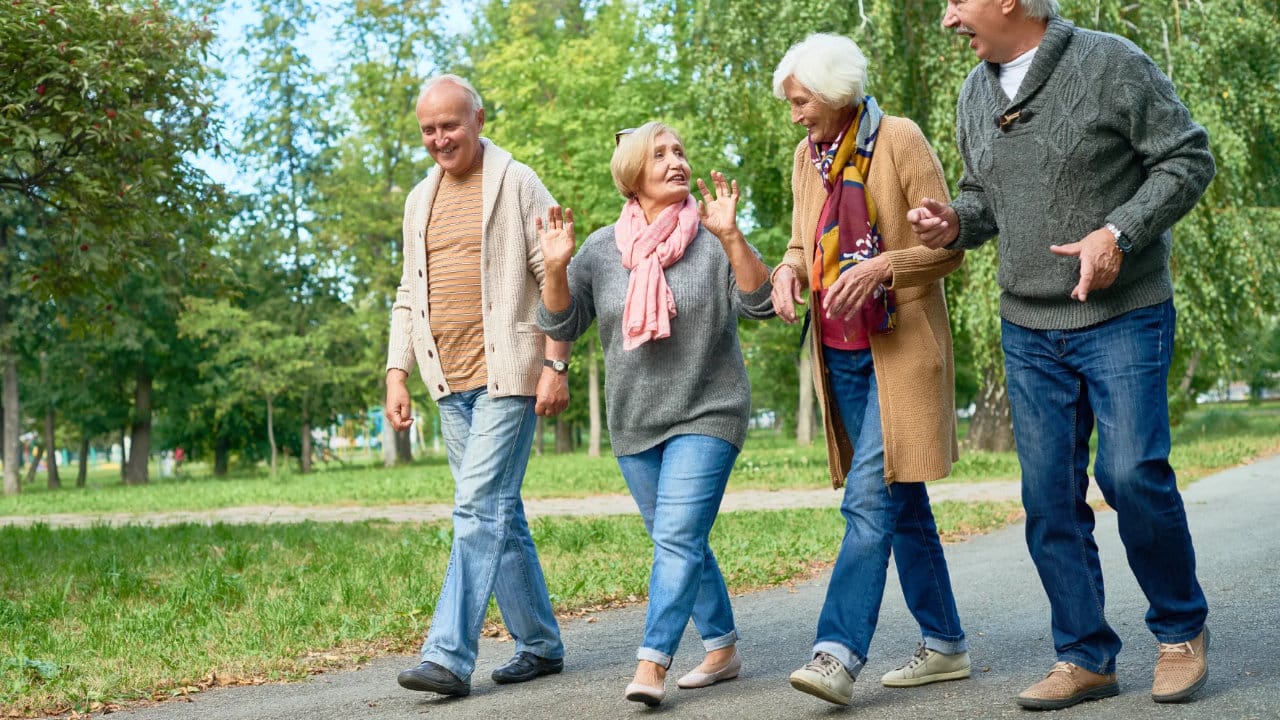
It is tempting to be inactive when you have hip pain. But inactivity weakens the muscles that support the hip and worsens pain. You can, therefore, keep walking every day, adapting the distance.
Among the exercises to relieve hip osteoarthritis, target the hip abductors, extensors, and flexors, plus the quadriceps. Add cycling, swimming, or aquafit, which reduce load.
Some movements are best avoided: squatting, kneeling, lifting heavy loads, and climbing stairs with your arms full.
Pain medications
You can first turn to acetaminophen, then anti-inflammatories if your doctor considers them safe for you. Anti-inflammatory creams also provide relief.
To relieve pain naturally, heat relaxes the muscles around the joint, weight loss lightens the load, and a cane on the opposite side reduces pressure on the affected hip.
Injections
A cortisone injection into the joint can provide relief for several weeks, sometimes several months. It does not repair anything and does not slow hip osteoarthritis, but it offers a window to resume the exercises that help relieve it.
When to consider a hip replacement?
A hip replacement is not always necessary. It is considered when pain persists despite treatment, wakes you at night, and limits your daily activities.
Treatments by disease stage
| Stage | Preferred approaches |
|---|---|
| Early | Exercise, strengthening, weight loss, education |
| Established | Physiotherapy, supervised program, analgesics as needed, per the doctor’s advice |
| Progression | Occupational therapy, cane, injections, home adaptations |
| Advanced stage | Orthopaedic evaluation, replacement, home-care equipment |
How to preserve your independence despite hip osteoarthritis?
Home layout and the use of assistive devices, such as a bath lift seat from Sécur-O-Bain, help limit fall risk and maintain better independence.
Adapt your daily movements
Living with hip osteoarthritis starts with small adjustments. A cane on the side opposite the affected hip reduces the load with each step. Also consider raising your seats. The lower the seat, the more the hip works to help you stand.
Carry loads at waist height and never climb stairs with your arms full.
Reduce fall risk at home
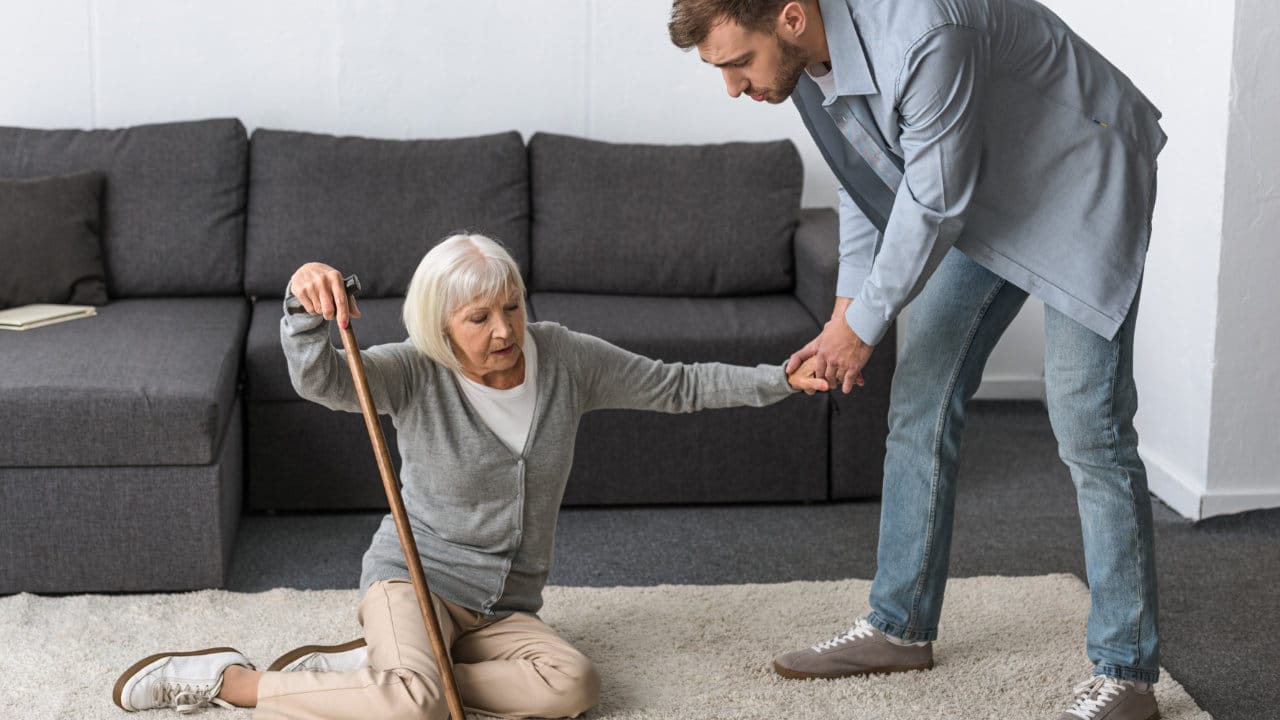
In Quebec, one in three seniors living at home falls each year. With a stiff hip and a limp, balance becomes more fragile.
Clear pathways, secure rugs, add lighting between the bedroom and the bathroom, and add a bath chair for safety.
Rooms in the home that deserve special attention
The bathroom ranks first, just after the bedroom, among places where seniors fall at home. Wet surfaces, lack of support, and a bathtub edge to step over all add up.
Next come the stairs, then the kitchen, where people often stand for long periods.
Assistive devices recommended by professionals
An occupational therapist assesses your home and pinpoints what you truly need. Securing the bathroom starts with firmly installed grab bars, a non-slip mat, a raised toilet seat, and a bath chair. This approach lets you keep living at home, even with hip osteoarthritis.
Indeed, getting in and out of a tub with hip osteoarthritis requires flexing and rotating the hip while balancing on one leg. It is the riskiest movement in the room. A bath lift chair, like the one offered by Sécur-O-Bain, lets you get in and out of the bathtub safely by removing the need to step over. You sit down, it lowers you into the water, then lifts you back up.
Equipment that supports staying at home
| Equipment | What it provides | Useful when |
|---|---|---|
| Cane | Reduces load on the hip | As soon as a limp appears |
| Grab bars | Stable support for transfers | From the first symptoms |
| Non-slip mat | Reduces the risk of slipping | For prevention |
| Raised toilet seat | Less hip flexion | Difficulty standing up |
| Chair risers | Easier to stand | Seats are too low |
| Sock aid, long-handled reacher | Avoids bending down | Dressing is difficult |
| Shower seat | Seated washing | Standing is tiring |
| Bath lift chair | Lowering and raising without stepping over | Bathing has become unsafe alone |
How the Sécur-O-Bain chair makes bathing safe
Designed and made in Quebec, the Sécur-O-Bain lift chair lowers you into the water and raises you back up without the hip having to flex or rotate while balancing. You remain seated from start to finish.
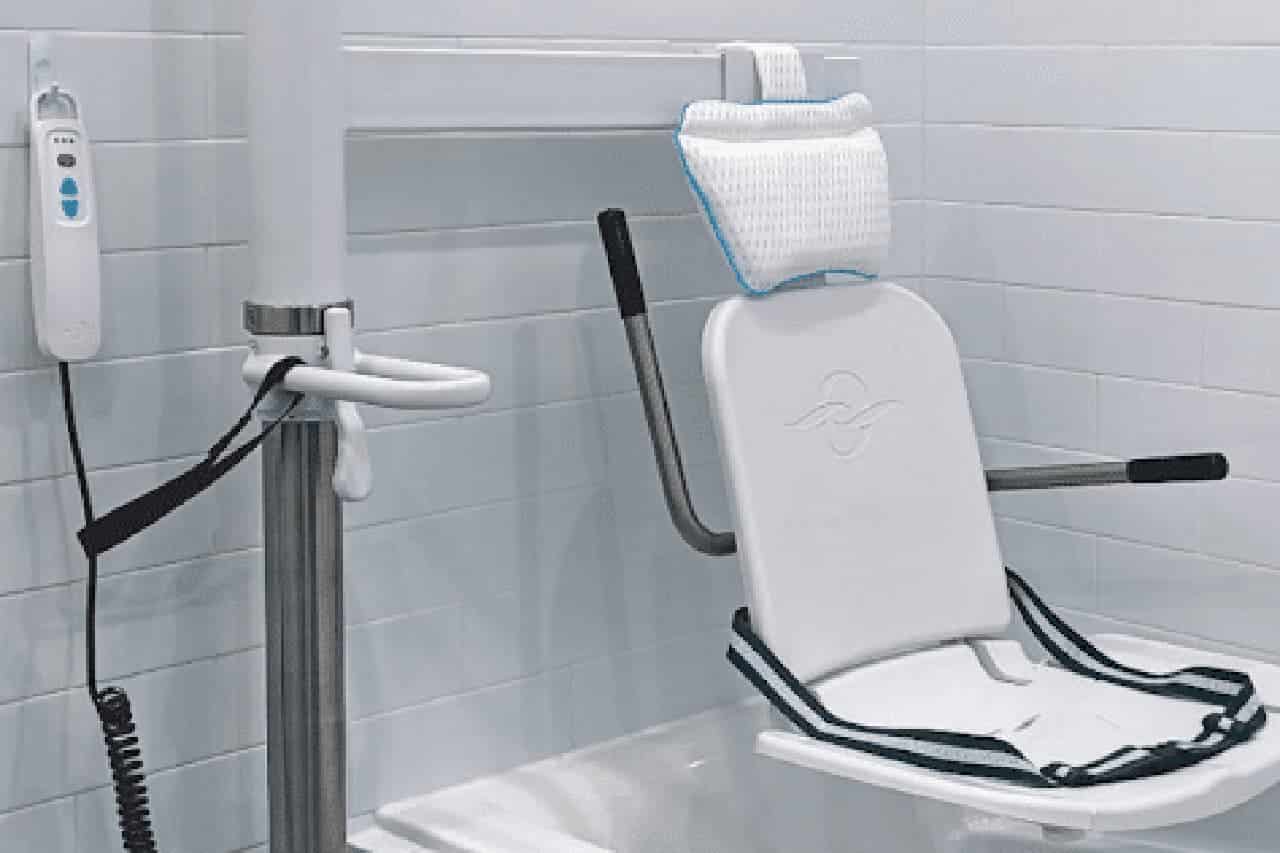
Stainless steel frame, 350 lb. capacity, support bar, headrest, and belt. It can be installed in under two hours in a standard bathroom, without renovation work. A five-year warranty on the frame, and a tax credit applies in Quebec for those 70 and over, as in Ontario.
A warm bath remains one of the best ways to relax a stiff hip. Sécur-O-Bain makes it accessible. Ask for your free quote.
Frequently asked questions
What are the first symptoms of hip osteoarthritis?
A groin, buttock, or thigh ache that appears with walking and eases with rest, with brief stiffness on getting up. Sometimes pain reaches the knee.
How can you live with hip osteoarthritis day to day?
By moving regularly, raising your seats, avoiding squatting, using a cane on the side opposite the affected hip, and installing a bath chair like the one from Sécur-O-Bain.
Which exercises are recommended for coxarthrosis?
Strengthening the hip abductors, extensors, and flexors, plus the quadriceps. Add cycling, swimming, or aquafit, which reduce load.
How can you avoid falls when you have hip osteoarthritis?
Clear pathways, secure rugs, light the route to the bathroom, and install grab bars. Balance exercises also help.
Which assistive device makes bathing easier when you have hip osteoarthritis?
The equipment that facilitates moving around the home is varied. For the bathtub, for example, a bath lift chair, like the one offered by Sécur-O-Bain, lets you make the bathroom safer with hip osteoarthritis.